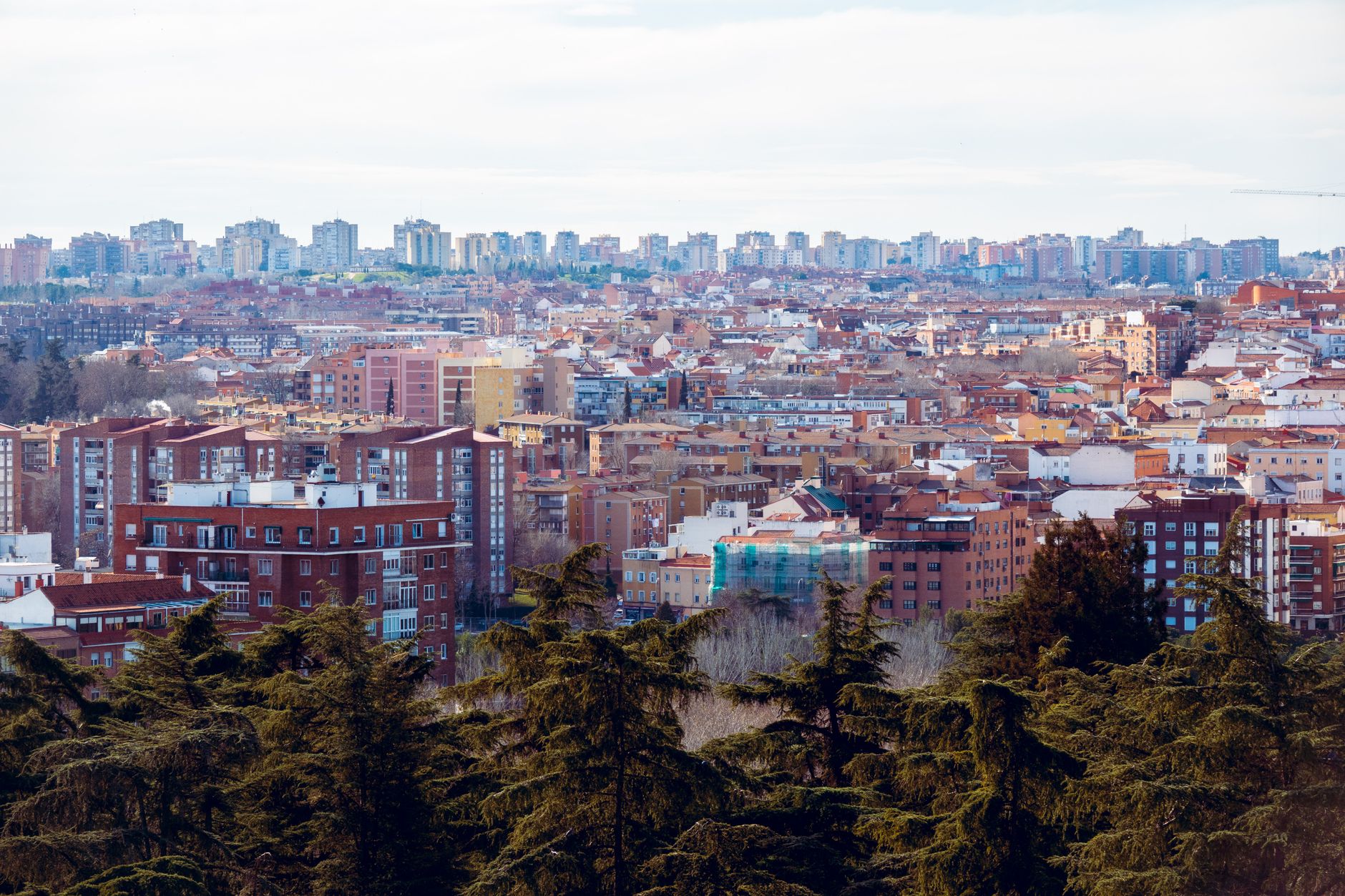
Madrid's housing crisis has reached a tipping point, and the numbers tell a damning story about municipal planning decisions stretching back generations. According to data released this month by the Colegio Oficial de Arquitectos de Madrid, average property prices in central neighbourhoods like Chamberí and Malasaña have surged 340 per cent over the past fifteen years—far outpacing wage growth of just 28 per cent across the same period.
The statistics paint a portrait of a city fundamentally reshaping itself along economic lines. In Salamanca, one of Madrid's most exclusive districts, median rental prices now reach €1,850 per month for a two-bedroom apartment. Compare this to the average Madrid teacher's monthly salary of €2,100, and the burden becomes visceral. Yet planners approved 47 new luxury residential developments in inner-ring neighbourhoods between 2015 and 2023, while only authorising 340 units of protected housing—the state-subsidised accommodation meant to keep the city economically mixed.
The municipal archive reveals the structural problem: zoning decisions made in the 1990s and early 2000s systematically converted industrial land in areas like Vallecas and Usera into speculative development zones rather than mixed-income housing. Official planning documents show that of the 12,000 new residential units constructed annually in Madrid's metropolitan area, fewer than eight per cent meet affordability criteria.
Data from the Observatorio de la Vivienda de Madrid indicates that 58 per cent of residents under thirty-five now spend more than 40 per cent of their income on housing—the threshold above which housing becomes unaffordable by international standards. This figure has climbed steadily from 34 per cent in 2010. Meanwhile, vacancy rates in central Madrid stand at just 1.2 per cent, suggesting not shortage but misallocation: properties held as investment assets rather than homes.
The municipal government's own sustainability report acknowledges that gentrification around transport hubs like Atocha and Príncipe Pío has displaced over 8,000 households since 2012. Yet approved budgets for affordable housing programmes have stalled at €45 million annually—equivalent to constructing merely 200 units yearly.
Urban planners point to outdated regulations preventing mid-rise development in neighbourhoods like Retiro and Carabanchel, where density restrictions from the Franco era remain embedded in zoning law. Reversing these decisions would require political will currently absent from Madrid's competing municipal administrations.
The data suggests the capital faces not a housing shortage but a planning crisis rooted in decades of decisions prioritising investor returns over resident stability. Whether Madrid's leadership will confront these numbers remains the year's defining urban question.
This article was compiled by AI from the sources linked above and screened before publishing. See our editorial standards.