Madrid's Housing Crisis Enters New Phase as City Council Fast-Tracks Density Plans for Centro and Salamanca
This week's planning announcements signal a dramatic shift in how the capital approaches its chronic shortage of affordable homes.
This week's planning announcements signal a dramatic shift in how the capital approaches its chronic shortage of affordable homes.
Madrid's city government has unveiled accelerated urban planning measures aimed at addressing the capital's deepening housing affordability crisis, with significant decisions announced across multiple neighbourhoods this week that will reshape how the city develops over the next decade.
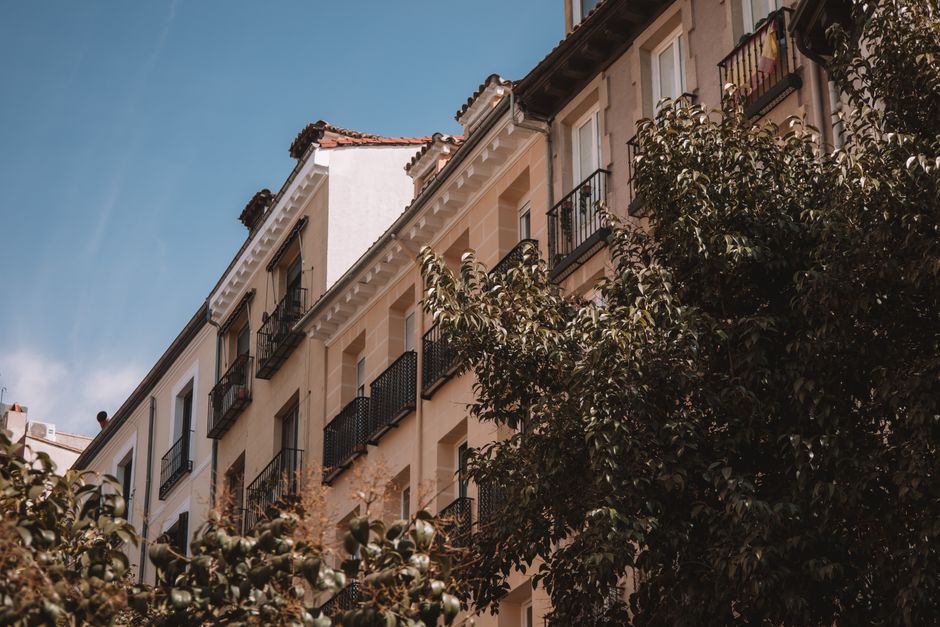
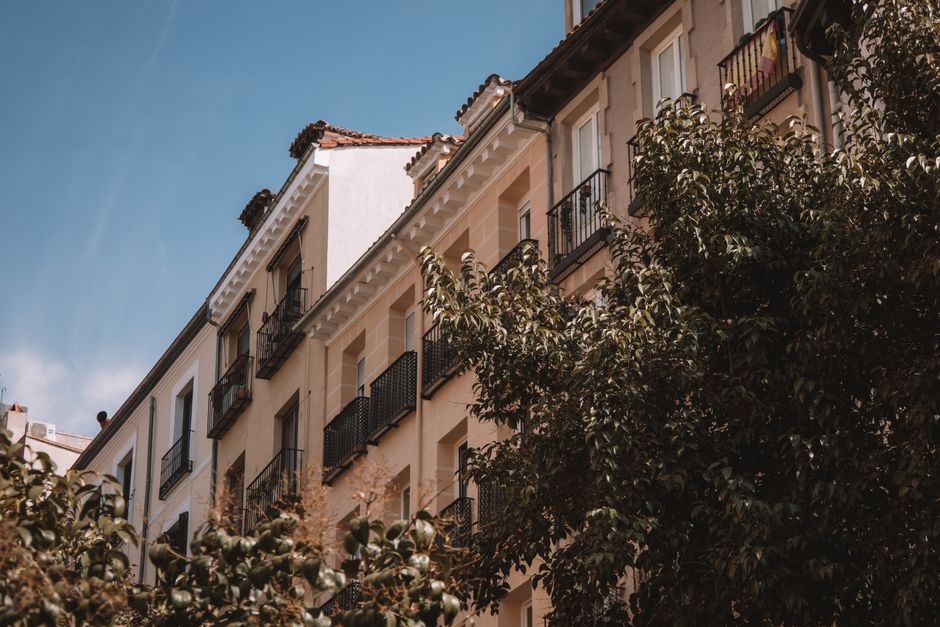
The most substantial development came Tuesday when municipal planners formally approved density increases for central districts, particularly affecting the historically exclusive areas of Centro and Salamanca. The move allows for modified building heights and mixed-use development along key corridors including Paseo de la Castellana and portions of Calle Serrano—a stark reversal of decades of preservation-focused policies that have kept these neighbourhoods largely static.
"We're witnessing a fundamental recalibration," said analysts tracking Madrid's real estate market. Current rental prices in Salamanca average €2,100 monthly for a two-bedroom apartment, with Centro zones reaching €2,300—figures that have consistently outpaced wage growth by significant margins since 2020.
The planning announcements also included new guidelines for the Chamberí district and surrounding areas, where city officials plan to facilitate conversion of underutilised office space into residential units. This approach mirrors strategies implemented successfully in other European capitals facing similar pressures. Madrid's housing shortage has intensified markedly: the region's population grew 4.2% between 2020 and 2025, yet residential construction lagged considerably behind demand.
Wednesday's supplementary announcement focused on parking requirements, reducing mandatory underground parking specifications in new developments—a technical change with substantial practical implications. By lowering construction costs in central locations, officials hope to make mid-range residential projects more economically viable for developers, potentially trickling down to moderate rental prices.
However, the week's announcements sparked expected resistance from preservation advocates. Environmental groups voiced concerns about green space impacts, whilst established residents in traditional neighbourhoods raised questions about character preservation versus necessity.
Transport authorities simultaneously announced expanded metro access studies for peripheral zones including areas along the southern A-3 corridor and northeastern developments around San Sebastián de los Reyes, suggesting coordinated strategy linking housing density with transit infrastructure.
Industry observers note these measures represent political will to confront structural problems—Madrid's housing supply deficit stood at approximately 45,000 units as of early 2026. Whether these planning reforms generate sufficient new construction remains uncertain, but this week's decisions mark a notable institutional acknowledgment that preservation policies alone cannot address current realities facing residents throughout the metropolitan area.
This article was compiled by AI from the sources linked above and screened before publishing. See our editorial standards.
How does this story make you feel?
Spread the word
About this article
Published by The Daily Madrid
Daily brief
Free, in your inbox before 7am. Weekdays.
More in News