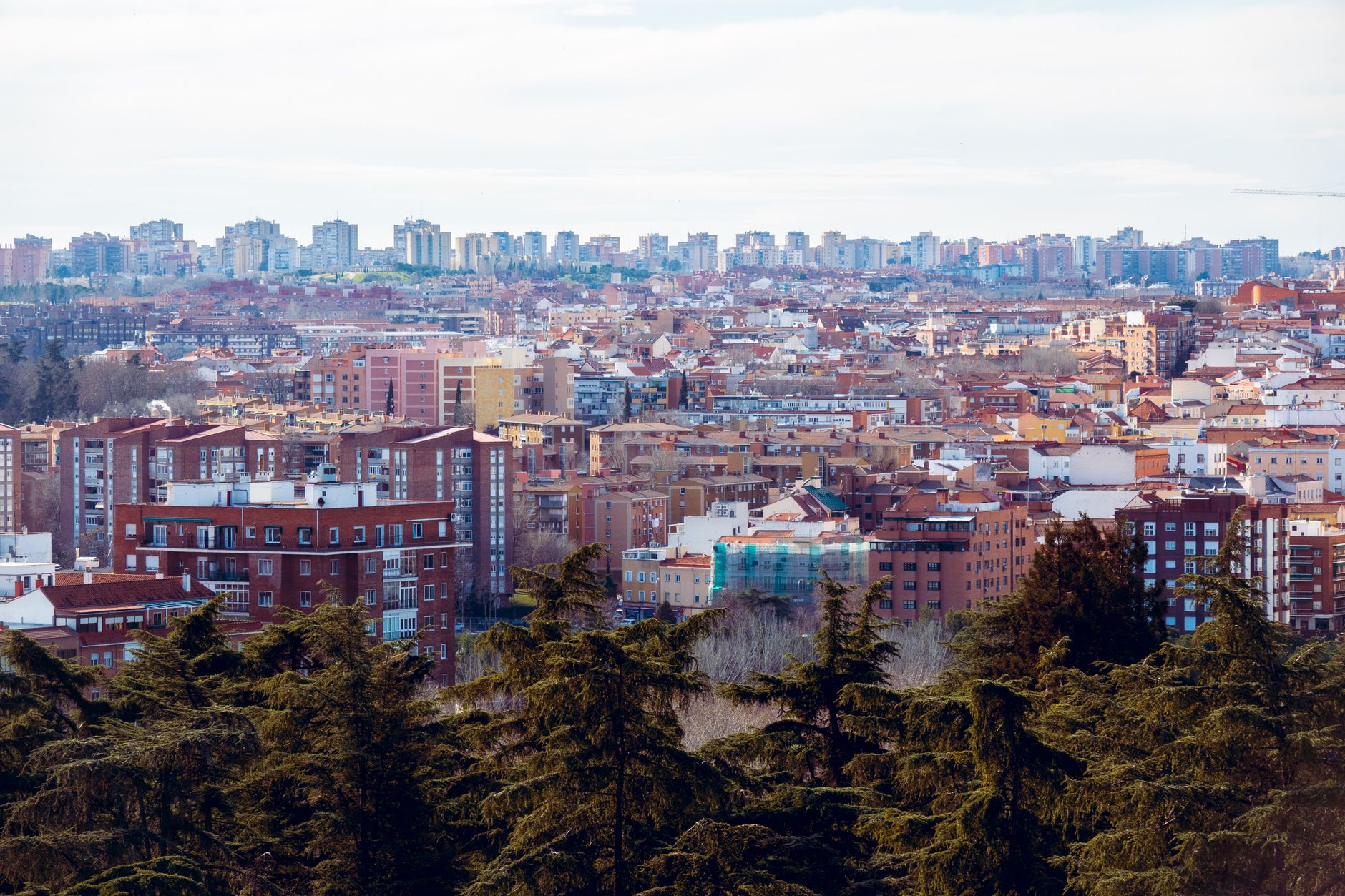
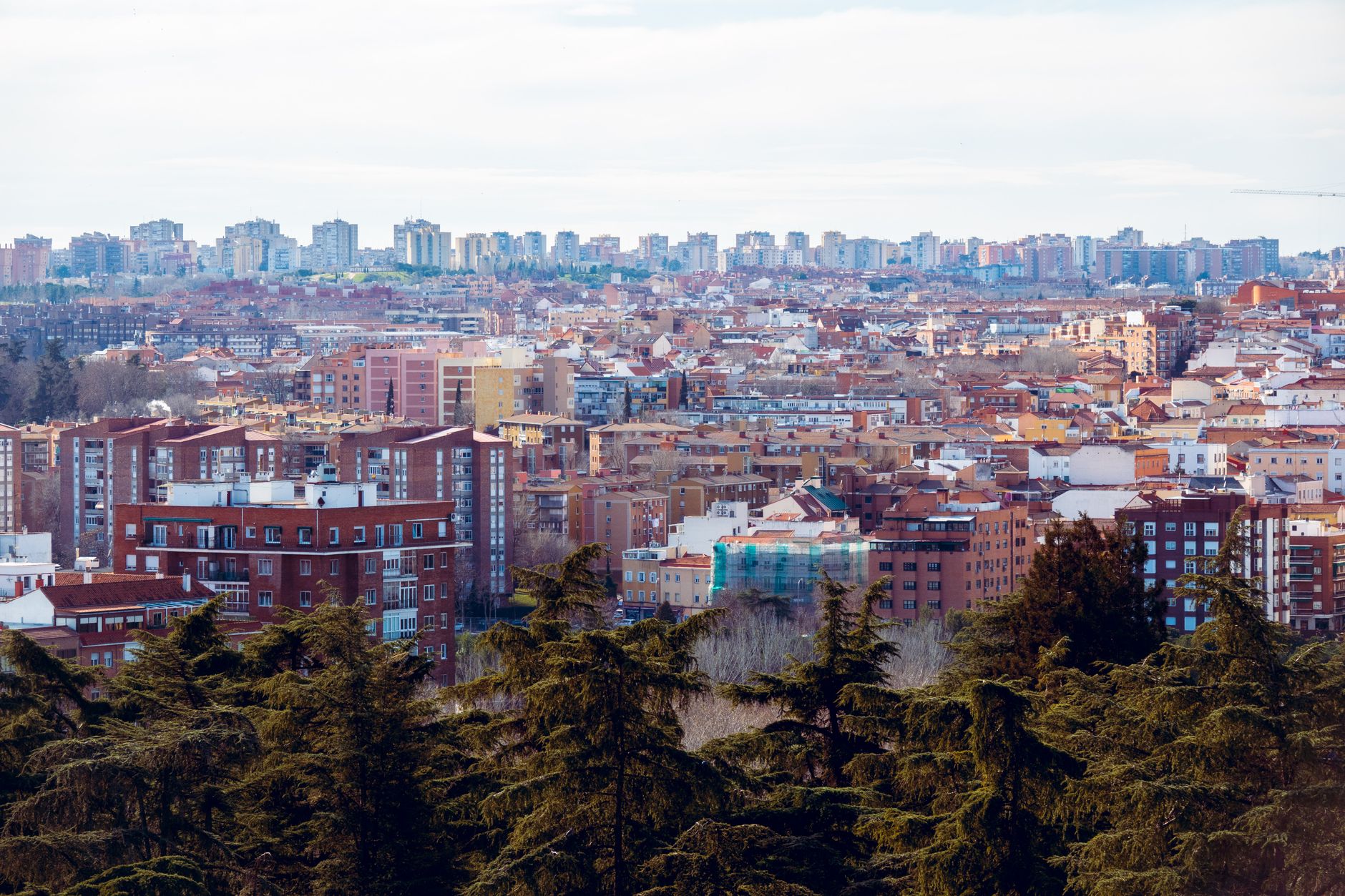
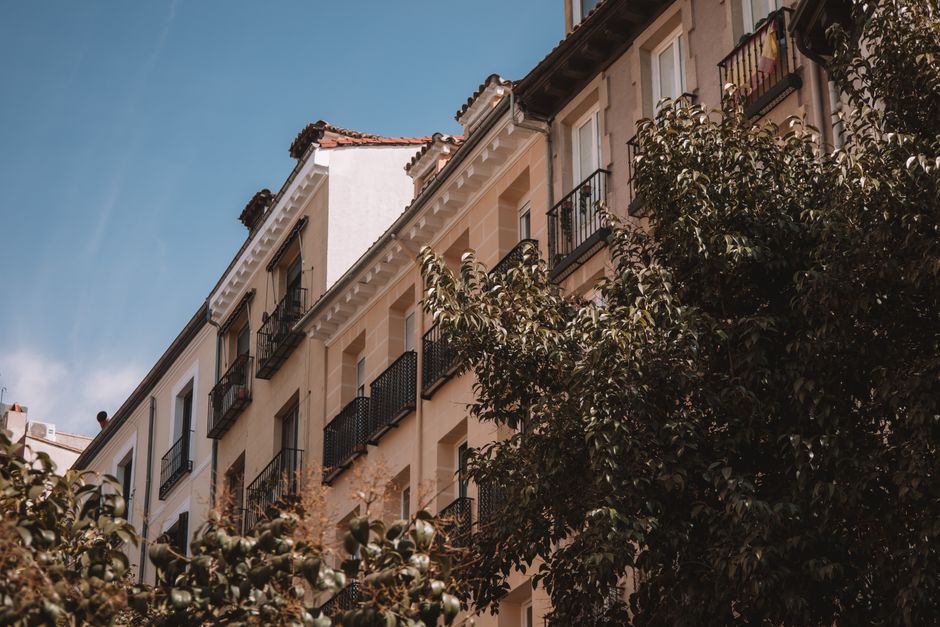
Madrid's municipal government convened an emergency session on the housing crisis this week, with city planners and residential policy experts painting a stark picture of a capital increasingly out of reach for ordinary residents. The warnings come as average rental costs in sought-after areas like Malasaña and Chueca have surged 18 per cent year-on-year, according to data from the city's planning authority.
Officials at the Ayuntamiento de Madrid have outlined proposals to accelerate construction of affordable housing units across the Arganzuela and Puente de Vallecas neighbourhoods, where vacancy rates remain critically low. City housing department representatives indicated that the municipal target of 2,000 new social housing units by 2028 faces significant funding constraints, though they stopped short of revising timelines publicly.
Urban sociologists from Universidad Autónoma Madrid have cautioned that the current trajectory is exacerbating demographic stratification across the city. Rising property values around the Paseo del Prado and Retiro district are driving lower-income families further into peripheral zones, they warn, straining public transport infrastructure and social services in outer neighbourhoods.
The debate has intensified following proposals from city councillors to impose stricter regulations on short-term holiday rentals, which property advocates argue have artificially inflated long-term housing costs by removing stock from the traditional market. Tourism and hospitality industry representatives have countered that such measures would damage Madrid's €3.2 billion annual tourism revenue.
Environmental groups have simultaneously raised concerns about density and infrastructure. The Real Academia de Ingeniería has cautioned that rapid construction projects around the Castellana corridor lack adequate urban planning for water management and green spaces—issues experts say will become critical as Madrid experiences increasingly extreme summer heat.
Meanwhile, transport authorities are preparing an updated mobility plan, with officials acknowledging that suburban expansion has outpaced Metro Line extensions. Comments from regional transit officials suggest new tram corridors may be prioritised, though funding sources remain unconfirmed.
The convergence of these pressures—housing, environment, transport—suggests Madrid's political establishment faces mounting pressure to coordinate responses across municipal and regional jurisdictions. Officials have committed to publishing a comprehensive housing strategy by autumn, though critics argue the timescale is insufficient given the pace of demographic and economic change reshaping the city's social fabric.
This article was compiled by AI from the sources linked above and screened before publishing. See our editorial standards.