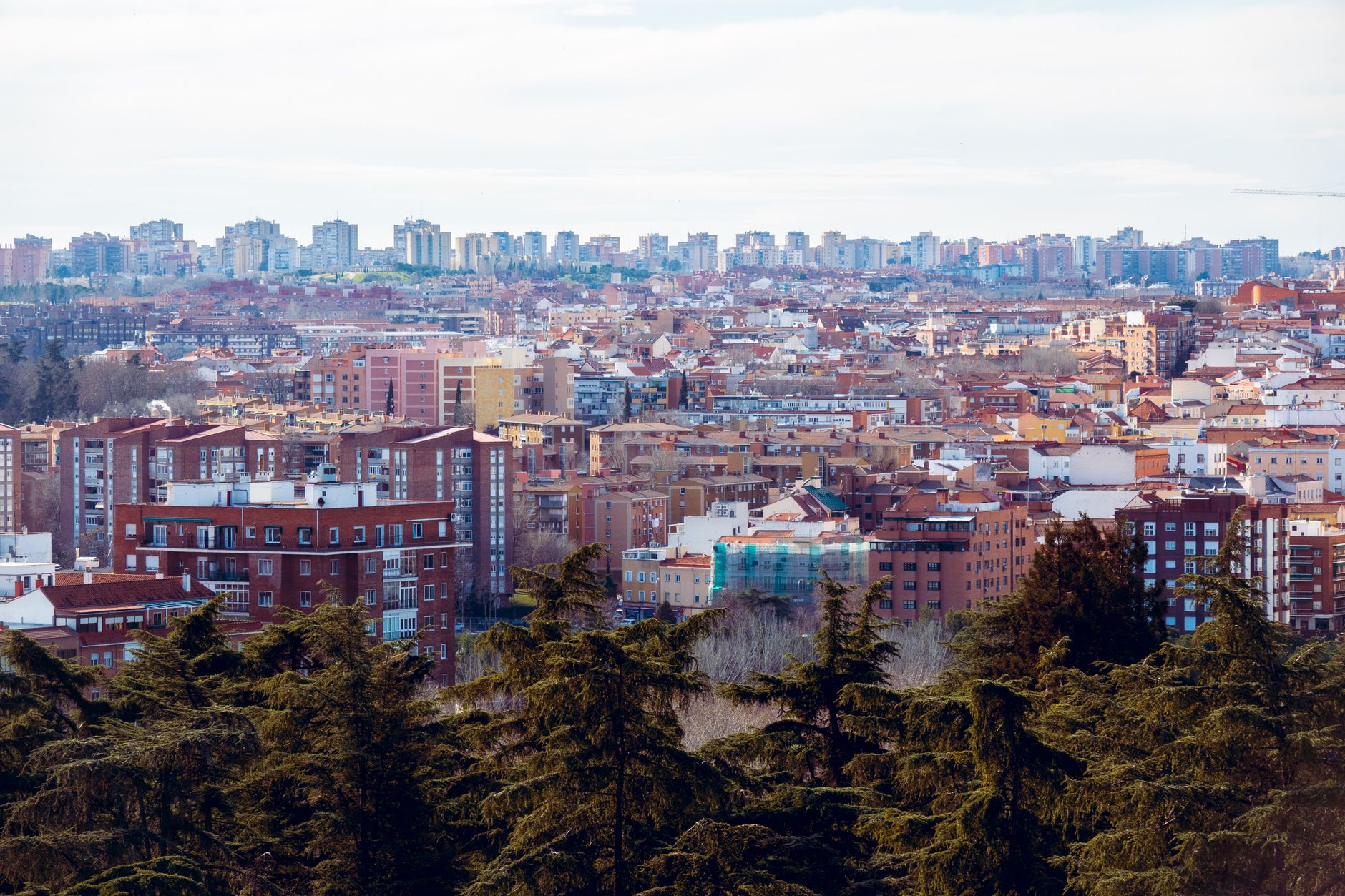
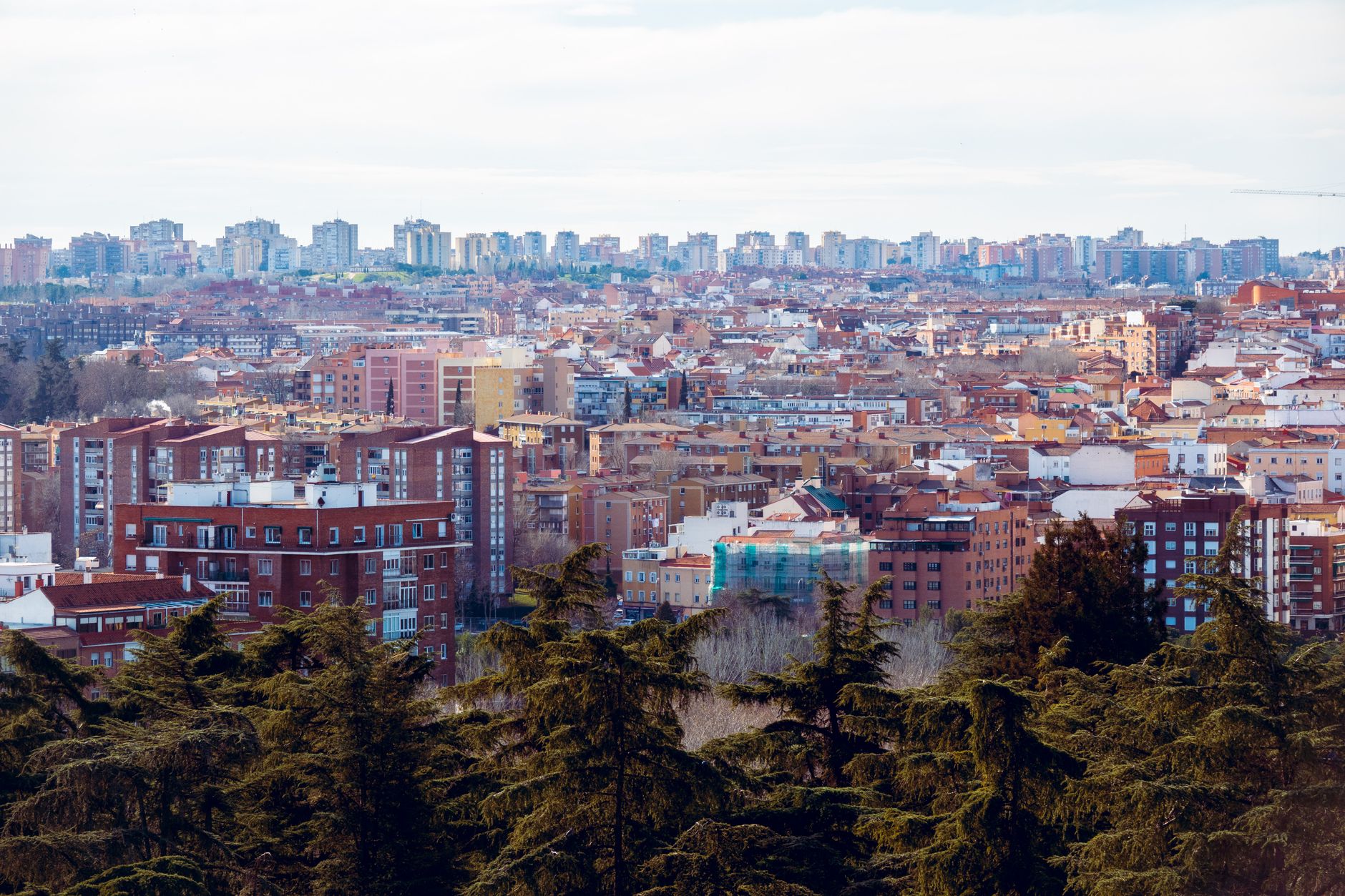
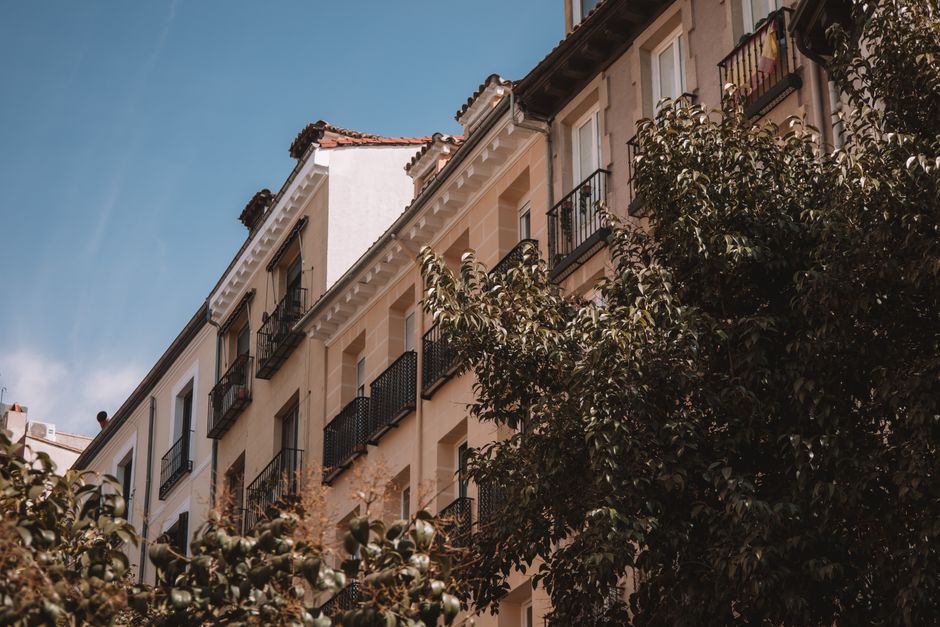
Walking through Lavapiés on a Tuesday afternoon, the hum of conversation in a dozen languages fills the narrow streets around Calle del Olivar. This Madrid neighbourhood, home to roughly 40% immigrant residents according to district census data, has become the beating heart of the city's multicultural identity—and increasingly, the epicentre of debate about who belongs here.
The European Union's latest migration framework, unveiled last month, has triggered fresh anxiety among community leaders and longtime residents who fear new restrictions could splinter the social fabric they've spent years building. At the Asociación Solidaria de Trabajadores Inmigrantes (ASTI) offices near Plaza de Cascorro, staff report a surge in enquiries from residents worried about documentation requirements and employment rights.
"People are scared," explains one ASTI volunteer, who works directly with vulnerable populations seeking assistance navigating Spanish bureaucracy. "We're seeing families consider leaving Madrid before new rules take effect. That's not integration—that's displacement."
The economic stakes are real. Migrant workers contribute approximately €15 billion annually to Spain's economy, with Madrid's service sector—hospitality, elder care, construction—heavily dependent on immigrant labour. Yet housing costs in central neighbourhoods like Lavapiés have surged 22% over five years, pushing vulnerable communities toward peripheral districts like Usera, where rental prices remain marginally lower.
At Casa del Joven, a youth centre in Usera serving roughly 300 young people monthly from immigrant backgrounds, staff observe growing tension between aspiration and uncertainty. "These young people were born here or arrived as children," notes one educator. "Madrid is their home. When we discuss EU border policy, we're discussing their future."
Community organisers emphasise that migration conversations often overlook local expertise. Residents living in these neighbourhoods possess intimate knowledge about what integration actually requires—accessible language programmes, affordable housing, workplace protections, cultural recognition.
Near the Mercado de la Cebada in La Latina, where Spanish and immigrant vendors have traded goods for decades, one longtime fruit seller reflects on changing times: "I arrived forty years ago. Nobody wanted to talk about integration then either. But we stayed. We worked. We became Madrid."
As policy-makers in Brussels and Madrid deliberate border frameworks, community voices from Lavapiés to Usera suggest one consistent message: effective migration policy requires listening to those living it daily, not imposing solutions from above.
This article was compiled by AI from the sources linked above and screened before publishing. See our editorial standards.