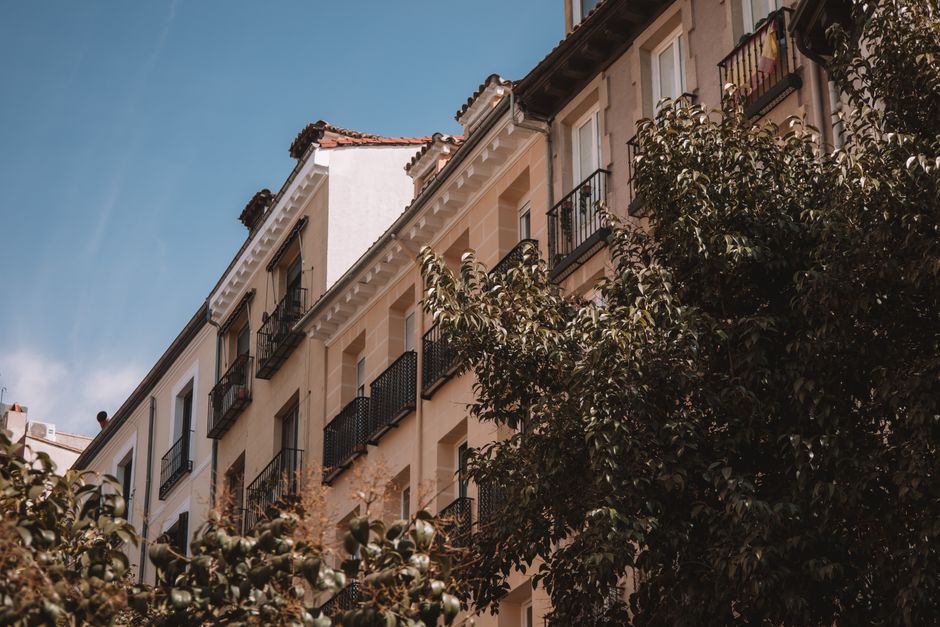
To understand why Madrid's city council chamber erupted last Tuesday over residential development permits, you need to rewind to 2015—when the average apartment price in the capital was €4,200 per square metre. Today, that same metric hovers near €7,800, a figure that has displaced thousands and fractured the social consensus that once defined Spain's largest metropolis.
The transformation began quietly. As international investment flooded into neighbourhoods like Malasaña and Chueca, long considered working-class strongholds, local businesses shuttered and longtime residents were replaced by short-term rental tenants. The Ayuntamiento's housing department, still operating under frameworks designed for a different Madrid, struggled to keep pace. Between 2018 and 2023, the municipality approved fewer than 2,000 new affordable units—a fraction of what demographers say the city required.
This backdrop explains the current standoff. Last month's decision to fast-track a controversial 450-unit development near Atocha station—majority market-rate apartments—ignited protests across Puente de Vallecas and Villaverde, historically left-leaning districts where electoral support has been eroding. Community organisations like Plataforma de Afectados por la Hipoteca have mobilised residents with memories of the 2008 financial collapse still fresh. They've occupied the municipal offices on Plaza Mayor twice since April, demanding that 40% of new housing be reserved for income-restricted households.
The political calculation has grown complex. The current municipal administration, which secured power through a fragile coalition in 2023, depends on support from smaller parties who represent these communities. Yet the mayor's economic advisors argue that relaxing zoning restrictions and streamlining permits is essential to Madrid's global competitiveness—a familiar refrain that resonates in business circles but rings hollow to families paying €1,200 monthly rents for studio apartments.
Property developers, meanwhile, have grown impatient. Several major projects remain stalled in permitting limbo, with investments frozen across the city's periphery. This has created an unusual alliance: business leaders and environmental groups both want clarity, albeit for opposite reasons.
The council's June 27 vote—approving a modified housing framework with modest affordability requirements—represents a compromise that satisfies almost no one. It's this fractured consensus, forged over a decade of uneven growth and neglected planning, that defines Madrid's governing challenge today.
This article was compiled by AI from the sources linked above and screened before publishing. See our editorial standards.