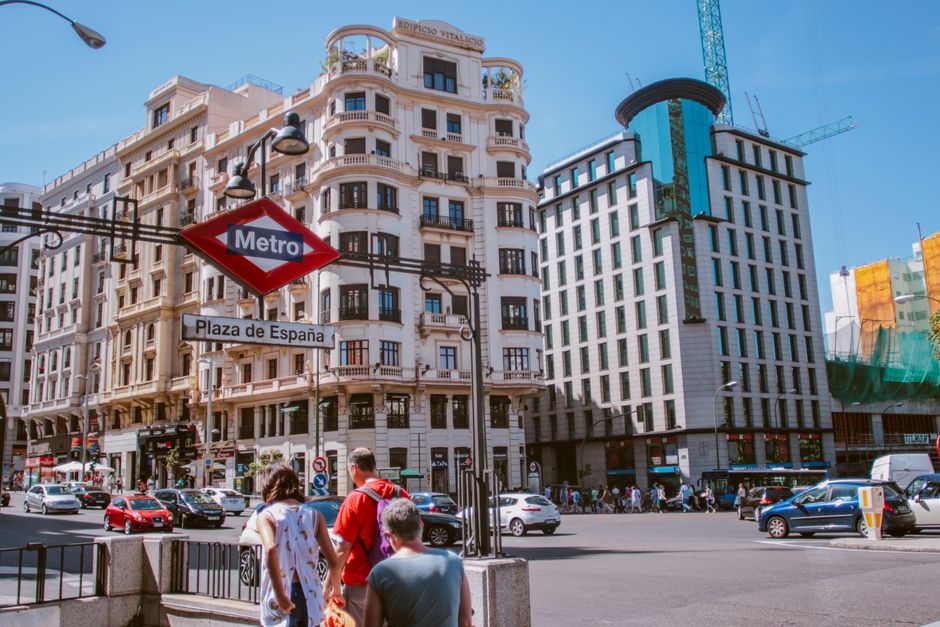
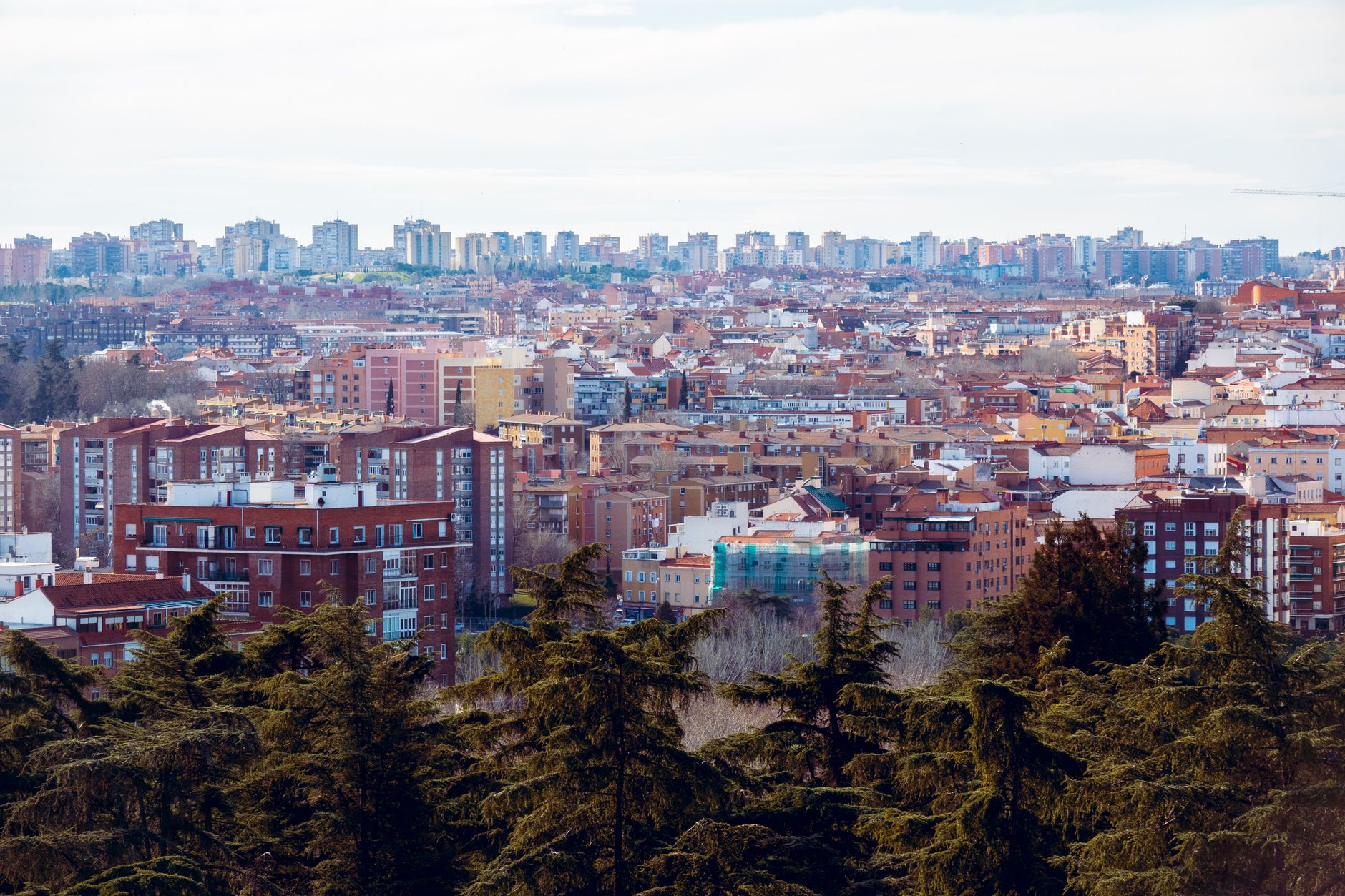
When María José López leaves her flat in Sanchinarro each morning, she spends forty minutes navigating the congested stretch of Avenida de Cantabria to reach her job near Plaza de Castilla. By 2027, that commute will take twelve minutes by Metro. Her experience encapsulates why Madrid's Line 11 extension matters far beyond transport statistics.
The €180 million project, currently under construction by Empresa Municipal de Transportes de Madrid (EMT), will add four new stations spanning 4.5 kilometres through Madrid's northern neighbourhoods. For the approximately 200,000 residents across Chamartín, Hortaleza, and Sanchinarro, the implications extend well beyond faster journeys.
Property analysts at Idealista report that neighbourhoods gaining direct Metro access typically see 8-12% increases in residential property values within eighteen months of opening. In Sanchinarro, where average flat prices hover around €4,200 per square metre, this extension could inject significant value into the market. Local real estate professionals already note increased developer interest in the corridor.
But infrastructure investment here cuts deeper than economics. The extension addresses a fundamental equity issue: these rapidly growing neighbourhoods currently rely heavily on bus services, which operate at capacity during peak hours. Parents waiting for school runs, elderly residents accessing healthcare at La Paz Hospital, young professionals commuting to jobs across the city—all face unreliable journey times that impact quality of life.
The environmental benefit deserves emphasis too. Madrid's traffic congestion costs the city an estimated €4.5 billion annually in lost productivity and pollution. The Line 11 extension is projected to remove approximately 15,000 daily car journeys from Madrid's streets by 2029, directly improving air quality in neighbourhoods where respiratory illness rates exceed the city average.
Community organisations in Sanchinarro have emphasised another dimension: accessibility. The new stations will feature full disabled access, benefiting residents who currently navigate the neighbourhood's steep terrain and lack adequate public transport alternatives. The Asociación de Vecinos de Sanchinarro reports that accessibility complaints represent 23% of all neighbourhood concerns raised with municipal authorities.
Construction disruption—temporary traffic diversions, noise, and reduced parking availability—understandably frustrates residents experiencing change firsthand. Yet Madrid's broader transport strategy depends on these investments. The city's population is expected to grow by 300,000 by 2035, concentrated precisely in northern zones the Line 11 extension serves.
As excavation crews work through summer on Paseo de la Castellana and beyond, these aren't abstract engineering projects. They represent Madrid's capacity to invest in livability, equity, and sustainability simultaneously. For 200,000 residents counting down to 2027, infrastructure becomes personal.
This article was compiled by AI from the sources linked above and screened before publishing. See our editorial standards.