Madrid's Multicultural Test: How Spain's Capital ...
As displacement crises mount worldwide, Madrid offers lessons—and cautionary tales—in integration that echo from Berlin to Toronto.
As displacement crises mount worldwide, Madrid offers lessons—and cautionary tales—in integration that echo from Berlin to Toronto.

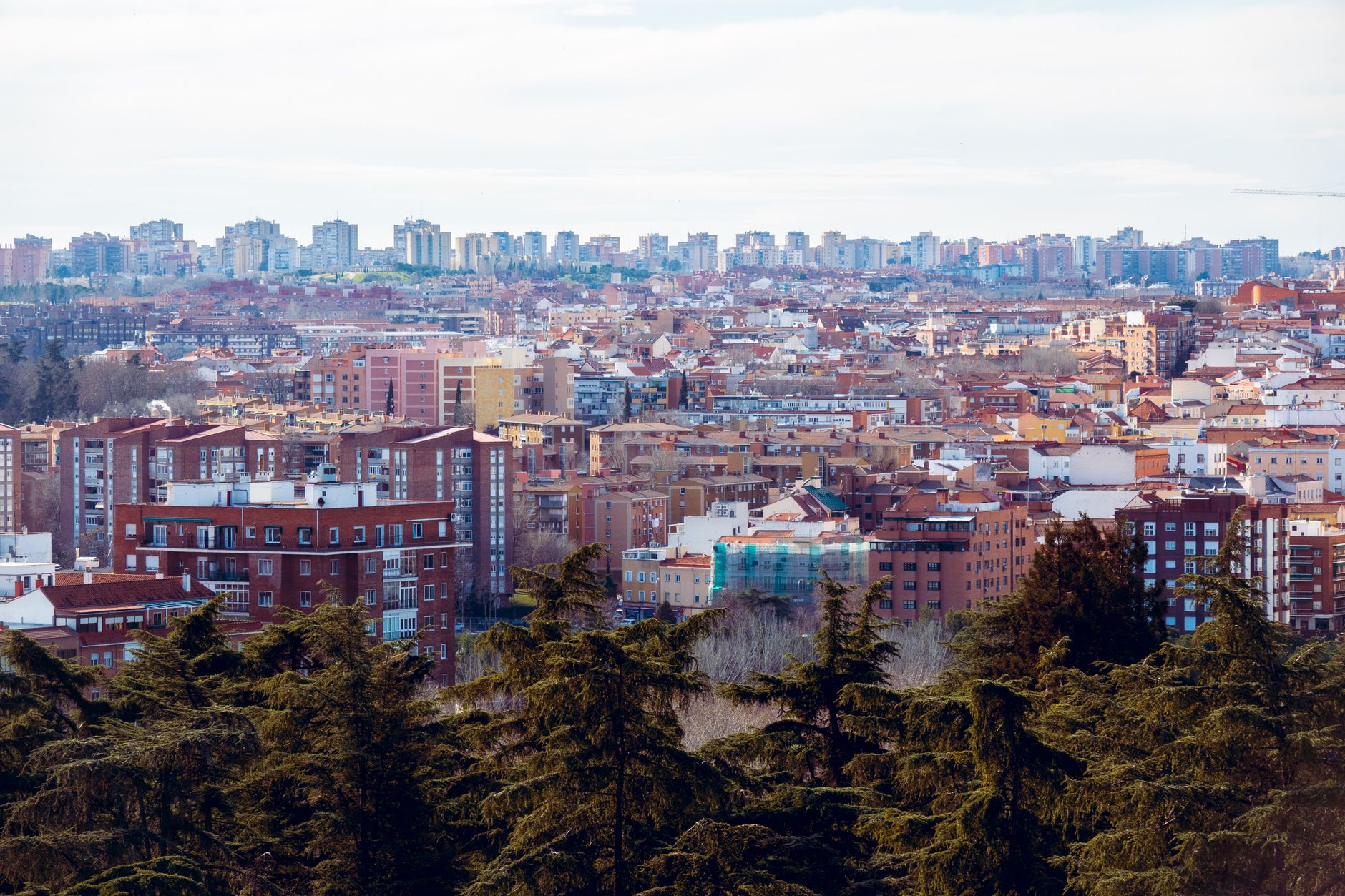
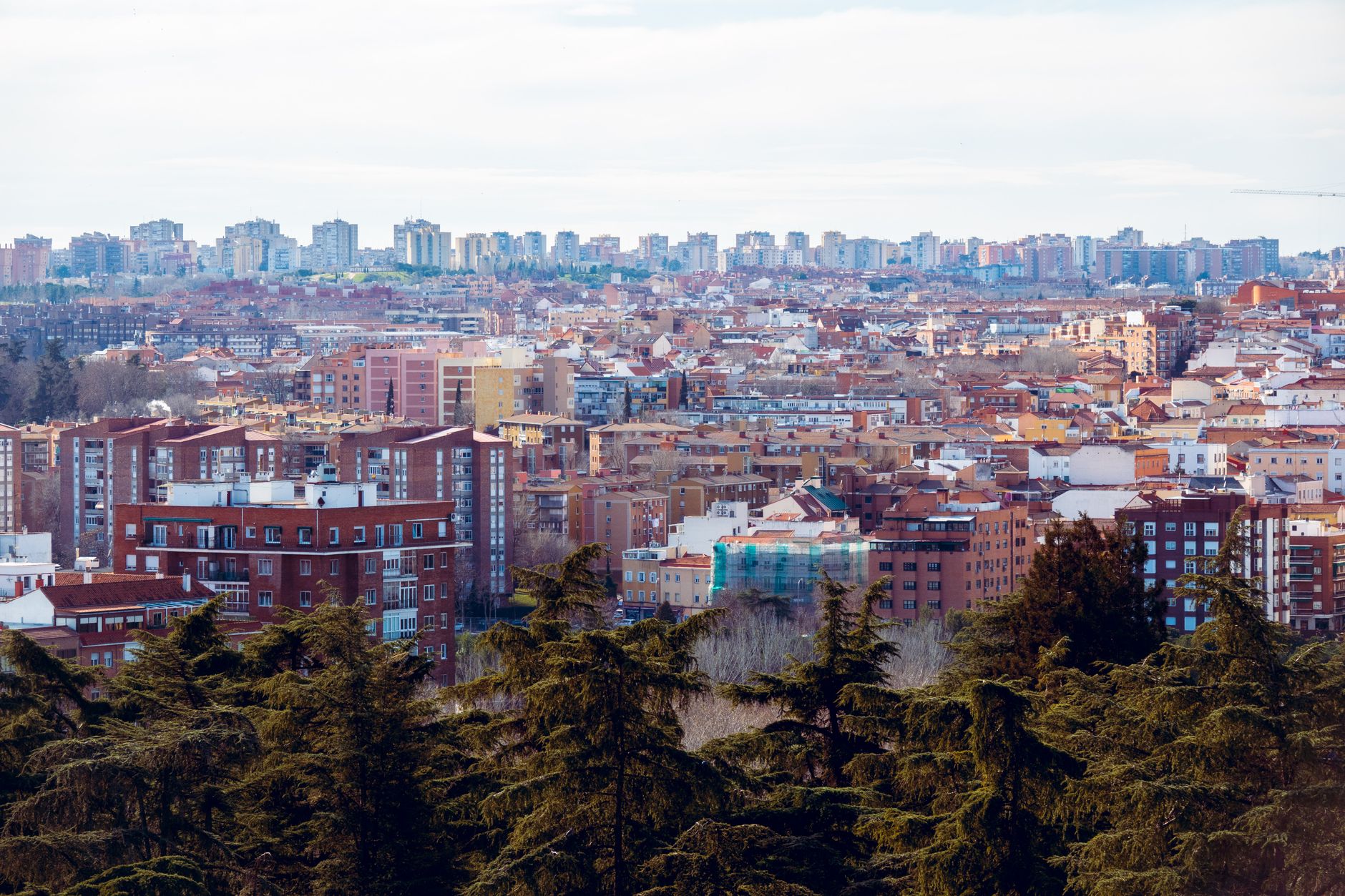
Walking through Lavapiés on a Tuesday afternoon, you encounter the practical reality of Madrid's migration challenge. The neighbourhood, historically working-class and increasingly diverse, hosts over 40% foreign-born residents according to municipal data. Yet unlike Berlin's fractured approach to housing or Toronto's celebrated multiculturalism, Madrid's response remains fragmented—a patchwork of municipal initiatives, NGO efforts, and European directives that don't always align.
The numbers tell part of the story. Madrid's foreign-born population reached approximately 18% in 2025, comparable to major European capitals. However, integration outcomes diverge sharply. Employment rates for migrants in Madrid hover around 68%, outpacing Germany's 62% but trailing Canada's 75%. Housing affordability remains acute; rental prices in diverse neighbourhoods like Carabanchel and Villaverde have surged 35% since 2022, squeezing the very communities designed to absorb newcomers.
The city's flagship integration programme, operating through municipal centres in Tetuán and Puente de Vallecas, offers Spanish language classes and job training. Yet funding constraints mean wait lists stretch to six months—a gap that cities like Barcelona and Valencia have begun addressing through public-private partnerships. "We're doing the work," explains staff at Asociación Acceder, a prominent integration organisation, "but scale matters."
Madrid's comparison to peer cities reveals inconsistencies. Unlike Paris's controversial banlieue policies or Manchester's community-led approaches, the Spanish capital lacks a unified metropolitan migration strategy. Each district—Chamberí, Usera, Arganzuela—develops its own framework. Some, like the increasingly diverse Usera, have cultivated thriving commercial ecosystems with migrant-owned businesses generating estimated €45 million annually. Others struggle with service gaps.
International observers note Madrid's relative success in avoiding the social tensions that erupted in other European cities this decade. The absence of major integration crises doesn't reflect excellence, however—rather, a younger migration demographic and Spain's economic recovery post-2023 have created breathing room.
As global displacement accelerates—Venezuela, DR Congo, Pakistan-Afghanistan conflicts displacing millions—cities worldwide watch how Madrid manages the next wave. The city's strength lies in its cultural pluralism and economic dynamism. Its vulnerability: fragmented governance and infrastructure strain. With migration patterns likely to intensify, Madrid faces a critical juncture. Whether it learns from Berlin's mistakes or Toronto's successes may determine not just the city's future, but offer a template—or warning—for Europe's other capitals.
This article was compiled by AI from the sources linked above and screened before publishing. See our editorial standards.
How does this story make you feel?
Spread the word
About this article
Published by The Daily Madrid
Daily brief
Free, in your inbox before 7am. Weekdays.
More in News