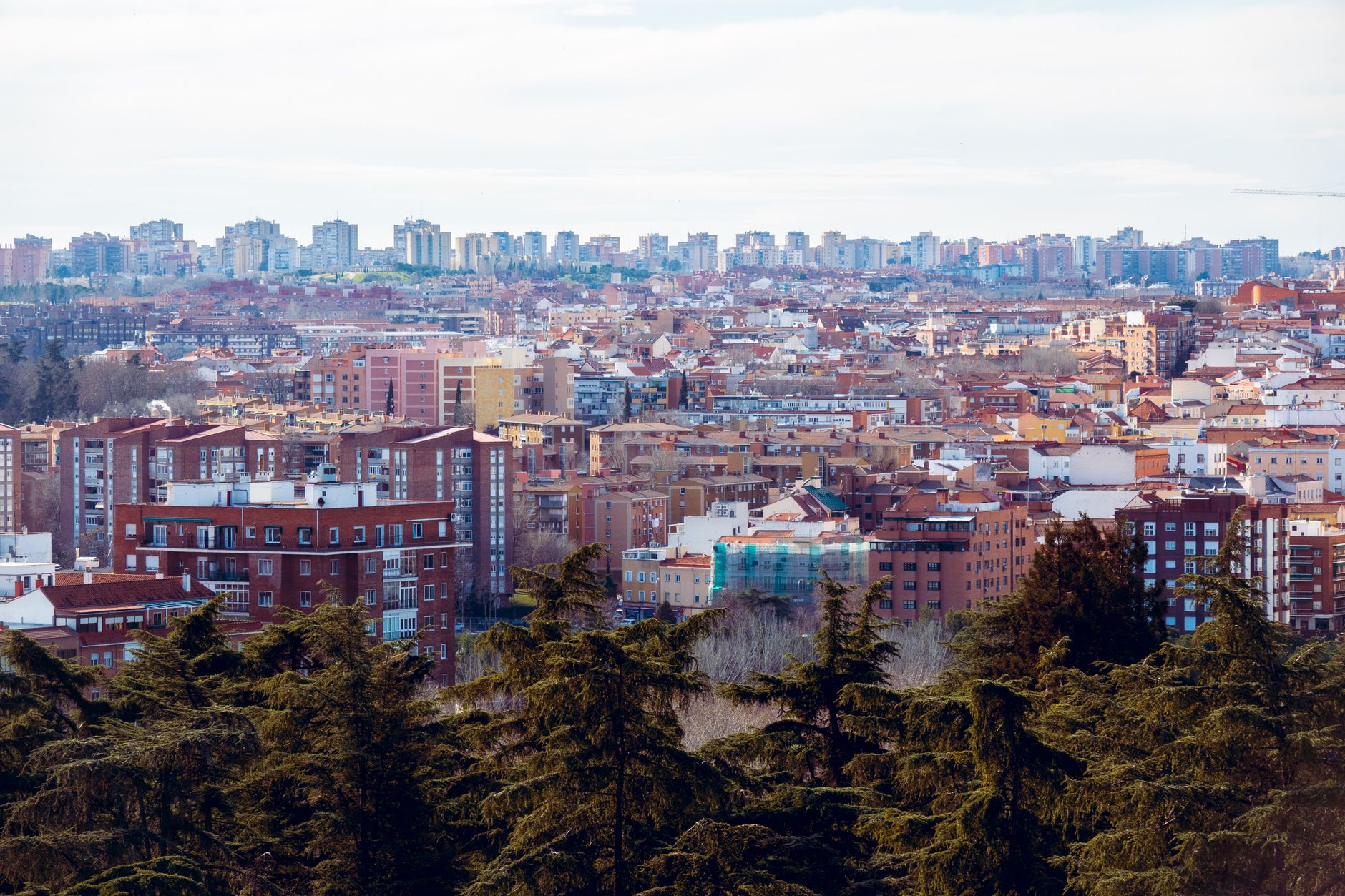
Madrid's current housing emergency did not emerge overnight. The trajectory toward today's policy paralysis stretches back through decades of accumulated decisions—and deliberate inaction—that reshaped the city's residential landscape into something increasingly unrecognizable to working families.
The turning point arrived around 2010, when Madrid's population officially surpassed 3.2 million residents. Real estate investors, emboldened by EU expansion and Spain's eurozone entry, began treating the city's central neighbourhoods as financial instruments rather than homes. Neighbourhoods like Malasaña and Chueca, once working-class districts, saw property values triple within fifteen years. Average rent in these areas climbed from €600 monthly in 2008 to over €1,400 by 2020—a trajectory that paralysed local workers entirely.
The tourism explosion accelerated this transformation. Airbnb listings in central Madrid multiplied from roughly 8,000 units in 2015 to nearly 16,000 by 2024. Landlords discovered short-term rentals generated substantially higher returns than long-term tenancies. The Ayuntamiento, dependent on hospitality tax revenues, lacked political will to regulate aggressively. Meanwhile, neighbourhoods along Gran Vía and surrounding Plaza Mayor transformed into quasi-hotel districts, their residential character hollowed out.
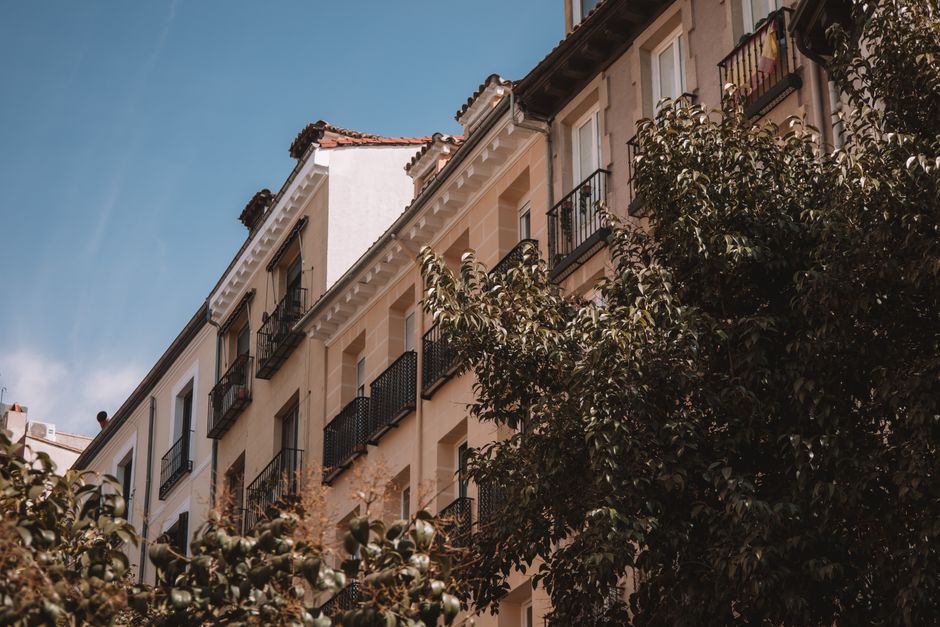
Municipal planning decisions compounded these market forces. Despite Madrid's geographic capacity for expansion, zoning restrictions and bureaucratic complexity favored demolition-and-rebuild cycles over constructive renovation. The Ensanche district's Belle Époque architecture became collateral damage to speculative demolition projects that often left vacant lots languishing for years.
By 2018, when housing advocacy groups began organizing protests across Plaza de España and Puerta del Sol, Madrid's median rent-to-income ratio had climbed to 42 percent—well above the European 30 percent sustainability threshold. University students couldn't afford proximity to campus. Healthcare workers commuted ninety minutes from satellite towns. The middle class simply departed.
Regulatory responses came piecemeal. A 2021 rent stabilization ordinance targeted properties below €600 monthly—helping nobody in central Madrid. Proposals for expanded public housing encountered budget constraints and competing municipal priorities. The 2023 tax incentives for property rehabilitation showed promise but reached only 340 units citywide—a rounding error against the housing shortage.
Today's policy debates unfold against this accumulated context: a city that became a victim of its own desirability, where regulatory frameworks failed to anticipate market dynamics, and where tourism economics trumped residential sustainability. Understanding how Madrid arrived at this junction—through specific choices and specific omissions—remains essential to evaluating whatever solutions policymakers attempt next.
This article was compiled by AI from the sources linked above and screened before publishing. See our editorial standards.