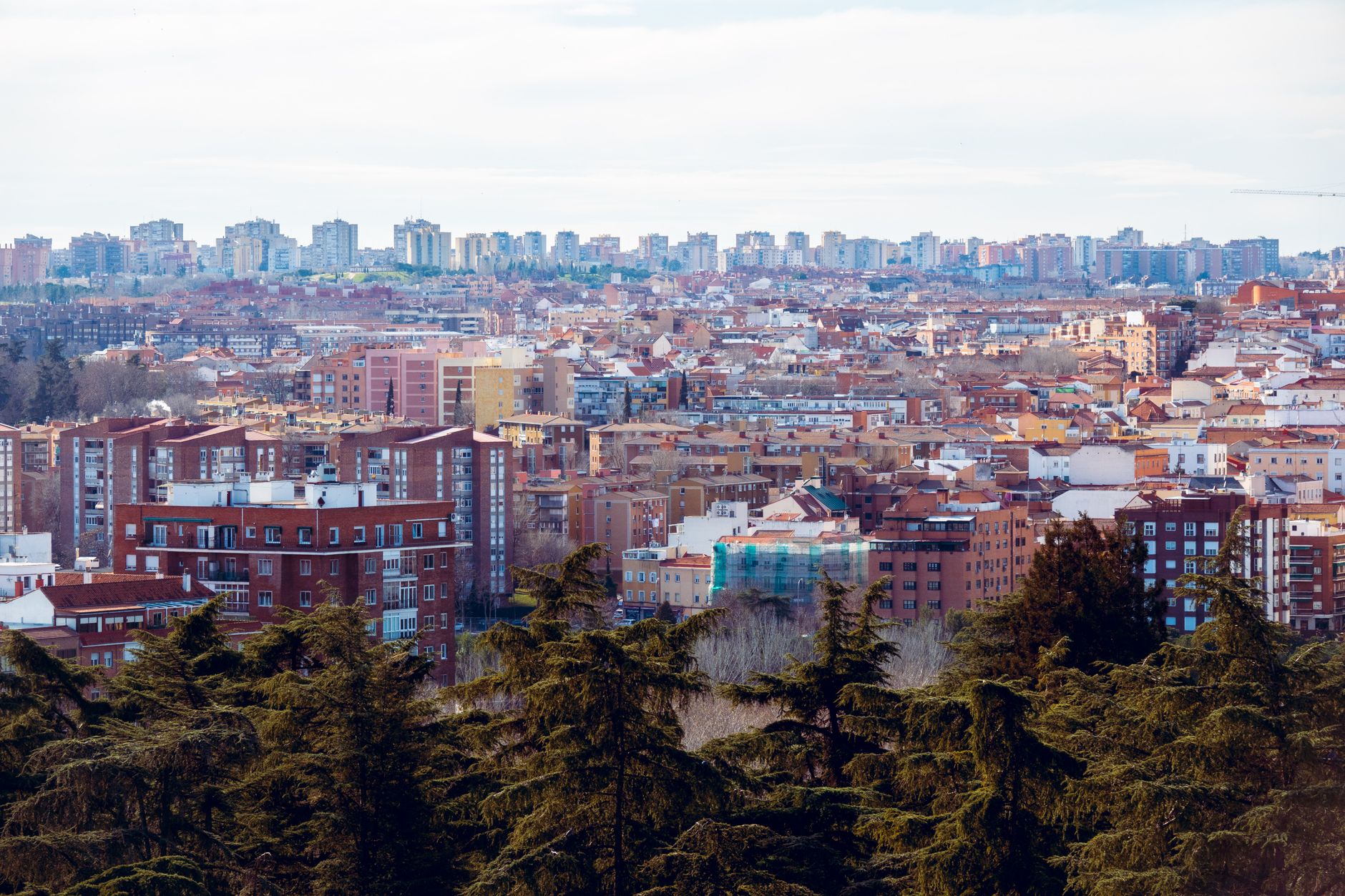
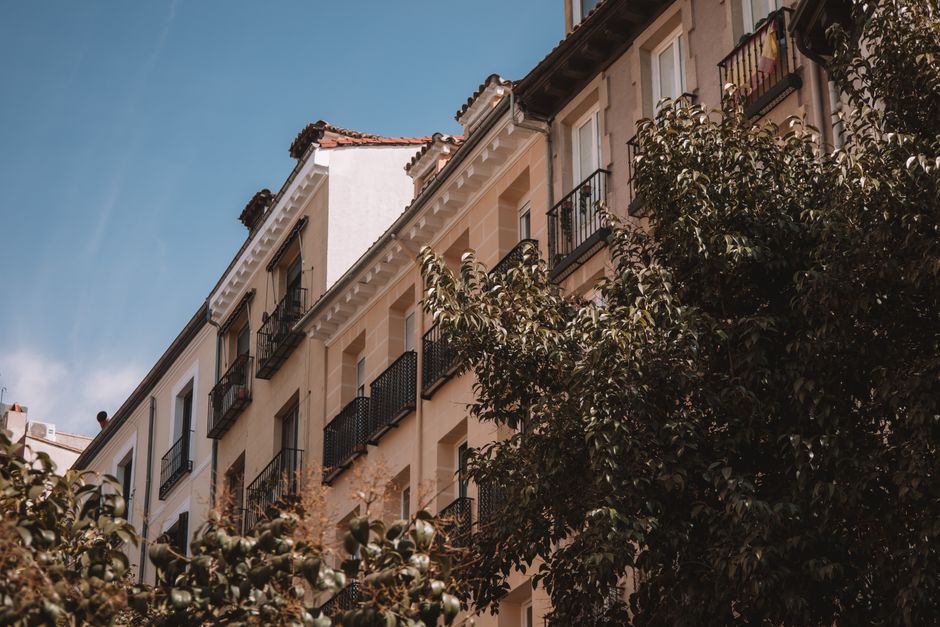
Walking through Malasaña on a June afternoon, it's hard to imagine that a decade ago this neighbourhood was a haven for young professionals and artists. Today, storefronts have transformed into luxury boutiques, and a one-bedroom flat commands €1,400 monthly—a 47% jump since 2020. Madrid's housing crisis has become impossible to ignore, yet the city's response remains cautiously incremental compared to its European counterparts.
The numbers tell a stark story. Average rental prices across Madrid have climbed to €1,215 per square metre annually, while purchase prices hover around €7,500 per square metre in desirable districts. For context, Berlin—a city of similar size and cultural weight—has capped rent increases at 11% over five years through its controversial rent brake policy. Barcelona, wrestling with parallel pressures, has implemented mandatory affordable-housing quotas of 30% in new developments since 2024.
Madrid's planning department has opted for a different path. The city's "Plan de Vivienda" launched last year encourages private developers to build affordable units through tax incentives rather than hard mandates. The strategy has yielded modest results: approximately 2,800 affordable units approved across the metropolitan area, compared to Barcelona's projected 4,500 over the same period.
The contrast becomes sharper in how neighbourhoods are evolving. Amsterdam's radical 2022 restructuring of its housing permit system prioritised renovation of existing stock over new construction, deliberately restraining supply to stabilize prices. Madrid, by contrast, continues greenlighting major residential projects in outer zones like Vicálvaro and San Blas-Canillejas, banking on the assumption that supply will eventually temper demand.
Local advocacy groups like the Sindicato de Inquilinas argue Madrid needs bolder action. They point to Vienna's social housing model, where 60% of residents live in council or subsidised accommodation, maintaining social diversity in prime areas like the Innere Stadt. Madrid's equivalent—around 3% of its housing stock—remains among Europe's lowest.
City Hall insists patience will vindicate their incremental approach. Officials highlight the recent expansion of metro connections to outlying districts and the refurbishment initiative for aging buildings in Chamberi and Salamanca. Yet as professionals continue fleeing outward and central neighbourhoods gentrify at accelerating speed, Madrid faces mounting pressure to explain why its housing strategy diverges so markedly from cities that have embraced more interventionist tools.
The question hanging over Plaza Mayor and the Paseo del Prado is no longer whether Madrid has a housing problem—it clearly does. Rather, it's whether the city's measured incrementalism will prove adequate before the damage to its social fabric becomes irreversible.
This article was compiled by AI from the sources linked above and screened before publishing. See our editorial standards.