How Madrid Became Europe's Crossroads: Tracing Three Decades of Migration That Reshaped the Capital
From economic boom to pandemic hardship, Madrid's multicultural fabric reflects deeper shifts in European migration policy and global displacement.
From economic boom to pandemic hardship, Madrid's multicultural fabric reflects deeper shifts in European migration policy and global displacement.
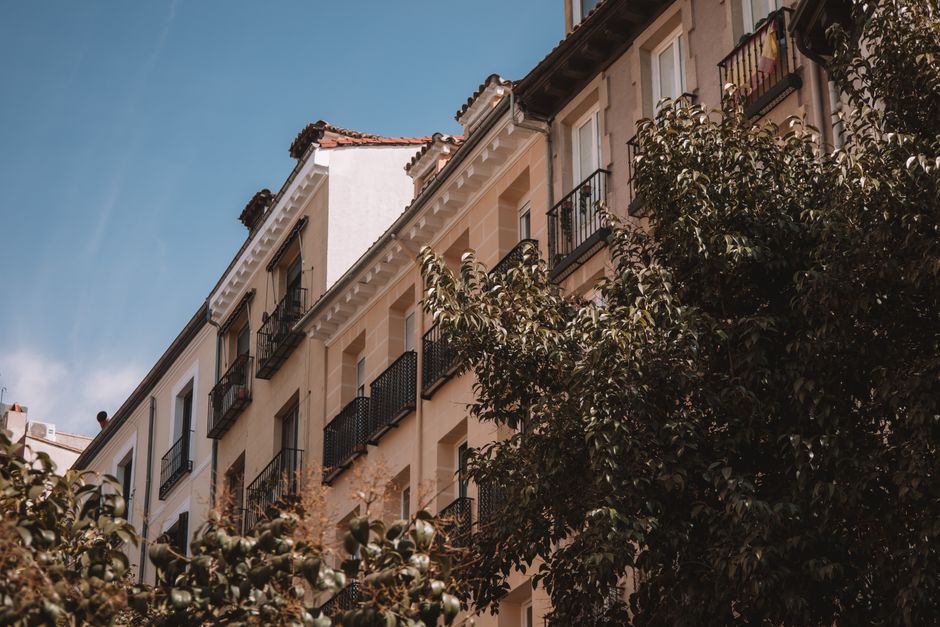
Walk through Lavapiés on any Tuesday afternoon and you'll hear Mandarin, Arabic, Romanian, and Portuguese layered beneath the Spanish. The neighbourhood, once Madrid's industrial heart, has become a living archive of how the capital arrived at its current multicultural reality—a story of economic cycles, geopolitical upheaval, and policy decisions that stretches back three decades.
The transformation began in the 1990s, when Spain's EU membership and economic expansion created unprecedented labour demand. Construction crews needed workers for the metro extensions and new office parks rising along Paseo de la Castellana. Service sectors boomed. Initial migration was predominantly European—Romanians and Poles—but by the early 2000s, flows shifted dramatically. Moroccan immigrants reached nearly 800,000 by 2008; Ecuadorians and Colombians arrived fleeing economic collapse in their home countries. Neighbourhoods like Usera and Villaverde absorbed these populations, creating informal economies that sustained families back home through remittances totalling billions annually.
Then came 2008. The financial crisis shattered the construction sector overnight. Unemployment in Madrid's immigrant communities spiked to 35 percent by 2010. Yet migration didn't reverse—instead, it diversified. Syrian refugees began arriving after 2011; Venezuelan asylum seekers accelerated after 2015. Organizations like Accem and the Fundación Cepaim, based in neighbourhoods across the southern districts, shifted from integration programmes to survival support.
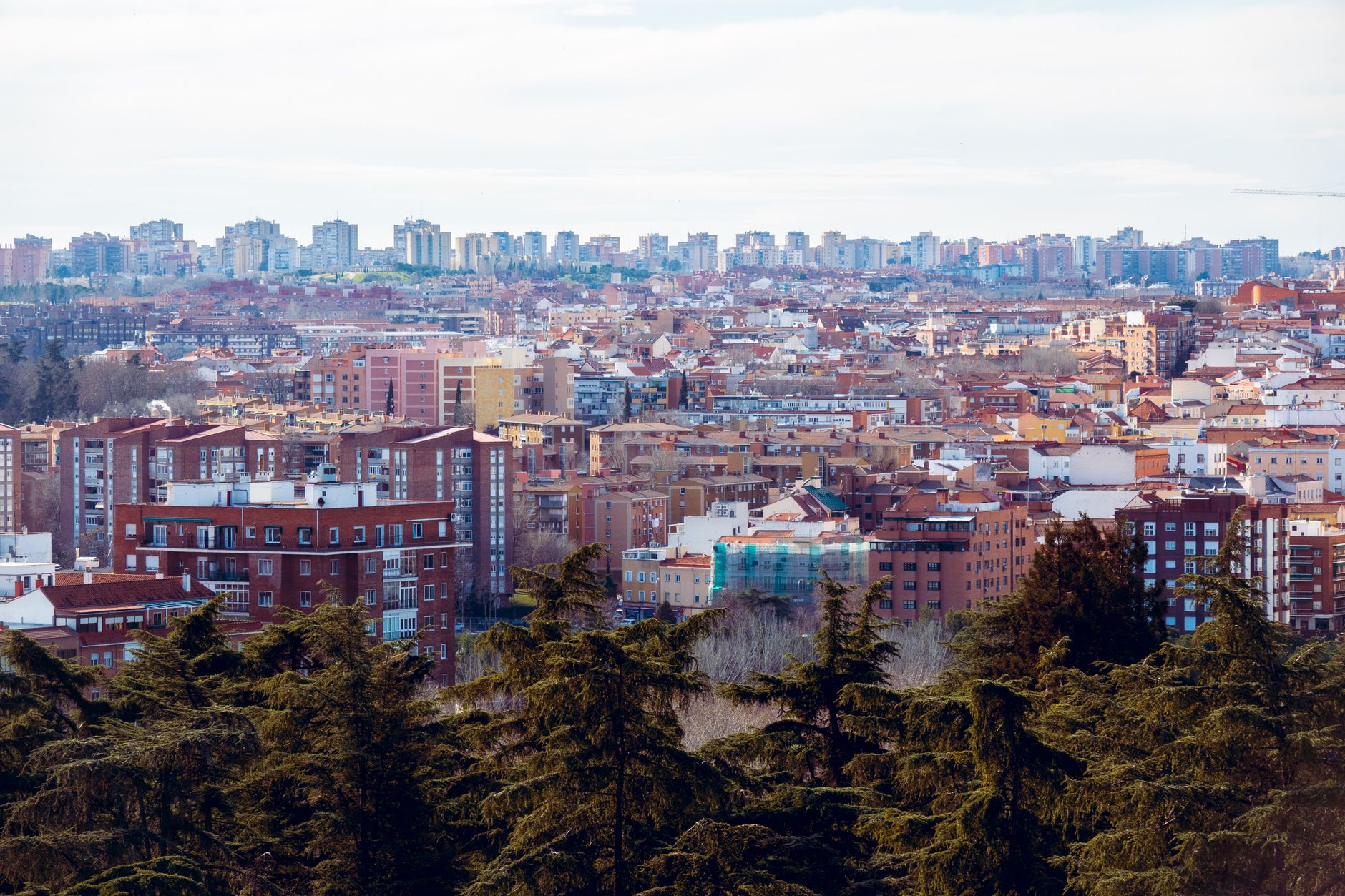
Today's Madrid reflects that accumulated weight. According to municipal data, nearly 17 percent of the capital's 3.28 million residents are foreign-born, concentrated in specific areas. Housing costs in central neighbourhoods have pushed newer arrivals toward outlying zones—Carabanchel, Puente de Vallecas—creating new pressures on already-strained social services. A two-bedroom apartment in Lavapiés averages €950 monthly; in Villaverde, €780, yet wages for undocumented workers remain stagnant.
The current moment represents a critical juncture. Madrid's integration infrastructure—schools, language programmes, job training centres—developed incrementally during boom years, then faced severe cutbacks. Recent years have brought renewed migration pressures: North Africans crossing the Strait, Ukrainians fleeing war, and Central Americans transiting through Spain toward northern Europe.
Understanding Madrid's multicultural present requires acknowledging this archaeological layer of decisions and circumstances. The neighbourhoods that welcomed migrants during expansion became repositories of disadvantage during contraction. Today's policy debates—affordable housing, regularization pathways, integration funding—cannot be divorced from how we arrived here: through boom-and-bust cycles that enriched some while leaving others vulnerable.
This article was compiled by AI from the sources linked above and screened before publishing. See our editorial standards.
How does this story make you feel?
Spread the word
About this article
Published by The Daily Madrid
Daily brief
Free, in your inbox before 7am. Weekdays.
More in News