Madrid's Green Revolution Accelerates: This Week's Environmental Breakthroughs Transform City Landscape
From expanded metro initiatives to neighborhood renewable projects, Madrid takes decisive steps toward sustainability targets.
From expanded metro initiatives to neighborhood renewable projects, Madrid takes decisive steps toward sustainability targets.
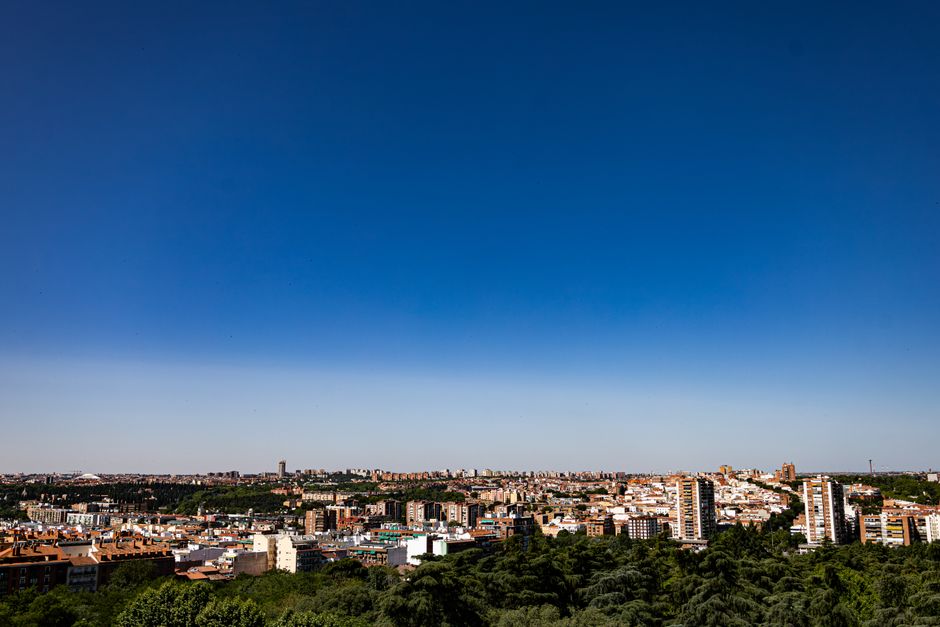
Madrid's environmental ambitions moved into high gear this week as multiple sustainability initiatives reached critical milestones, signaling the city's commitment to becoming one of Europe's greenest capitals by 2030.
The municipal government announced expanded funding for the Metro del Sur extension into the Getafe corridor, a €450 million investment aimed at reducing car dependency in the southern metropolitan area by 35 percent over the next five years. The project, presented at the Palacio de Cibeles on Tuesday, will connect underserved neighborhoods currently reliant on diesel-powered bus networks.
Simultaneously, the Chamberí district launched its ambitious rooftop solar initiative, converting municipal buildings along Calle Luchana into renewable energy hubs. The pilot program, which began installation last month, is expected to generate 2.8 megawatts annually—enough to power approximately 840 households. District officials reported that fifteen buildings have already committed to retrofitting, with private property owners showing unexpected enthusiasm following government tax incentives announced in April.
In Retiro, environmental organizations celebrated the completion of the wetlands restoration project at the Estanque Grande. Engineers have reintroduced native aquatic species and eliminated invasive water plants that had degraded water quality. The initiative, funded jointly by city authorities and the European Union's Life Programme, cost €3.2 million and represents a rare success in urban waterway rehabilitation across the continent.
More modestly, but no less significantly, the city's circular economy hub in Villaverde opened its doors to the public this week. Operating from a converted industrial space on Avenida de la Industria, the facility provides free consulting for small businesses seeking to reduce waste and optimize supply chains. Early adopters from the textile and food sectors have already enrolled in the program.
The week's announcements come as Madrid grapples with air quality challenges that persist despite improvements over the past decade. Current particulate matter levels remain above EU targets for 28 days annually, according to data released by the city's environmental monitoring agency.
Critics argue that while these initiatives deserve recognition, progress remains insufficient given the scale of climate urgency. Environmental groups have urged accelerated timelines for the metro expansion and called for stronger emissions regulations affecting delivery vehicles, which contribute disproportionately to congestion in the Gran Vía and historic center.
Nevertheless, municipal leaders characterize this week's developments as evidence of Madrid's sustained commitment to environmental transformation—a positioning that will likely dominate conversations ahead of autumn's European Green Capital award deliberations.
This article was compiled by AI from the sources linked above and screened before publishing. See our editorial standards.
How does this story make you feel?
Spread the word
About this article
Published by The Daily Madrid
Daily brief
Free, in your inbox before 7am. Weekdays.
More in News