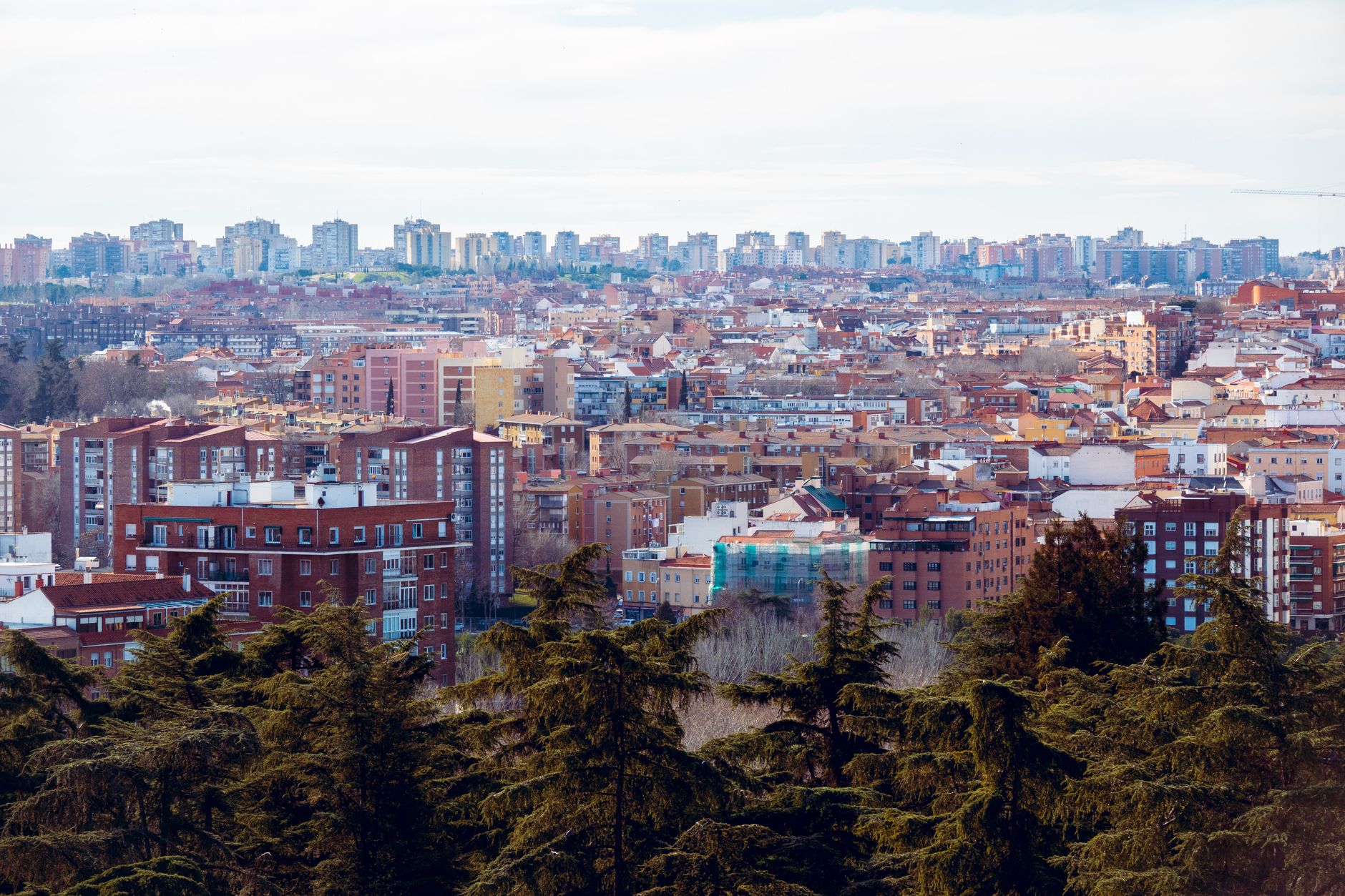
The strain on Madrid's emergency services has become impossible to ignore. Recent data from the Policía Nacional shows that response times in outer neighbourhoods like Villaverde and San Blas-Canillejas have increased by an average of 12 minutes over the past 18 months, a concerning trend that underscores how shifts in crime patterns are forcing difficult choices about resource allocation across the capital.
What began as isolated incidents of street robbery in the Plaza Mayor and Gran Vía tourist corridors has evolved into a more distributed problem affecting residential areas where families feel they should be safest. The 112 emergency line, managed by the Madrid Emergency Services Coordination Centre, handled over 2.3 million calls last year—a 23% increase from 2024. That surge means waiting times for non-critical incidents have stretched beyond what residents expect in one of Europe's wealthiest cities.
The impact ripples through daily life in ways both obvious and subtle. Small business owners along Calle de Alcalá report installing additional security cameras at personal expense, effectively subsidising what they view as inadequate public protection. Youth centres in Puente de Vallecas have extended evening programming partly to keep young people off streets during peak hours when police presence thins. Residents' associations in Chamberí are organising neighbourhood watches more formally than ever before—a sign that confidence in traditional policing is fragmenting.
The financial pressure is real too. Property insurance premiums in previously quiet areas near the Retiro park have risen noticeably, with some insurers now requiring upgraded locks and alarm systems. Elderly residents on fixed pensions increasingly worry about affording these protective measures, creating a two-tier safety system where wealth determines vulnerability.
Madrid's municipal government insists it is hiring additional officers and investing €18 million in new surveillance technology across high-crime zones. Yet the challenge extends beyond headcount. Paramedics report that mental health crises—often intertwined with substance abuse issues—account for 30% of emergency callouts, requiring specialized training and resources many services lack in adequate supply.
Community leaders emphasize that this isn't simply about crime statistics on a police report. It's about whether families feel secure leaving home, whether small shopkeepers can operate without constant vigilance, and whether the social fabric holding Madrid's diverse neighbourhoods together holds firm. As summer approaches and tourism peaks, with millions visiting the Prado and bustling streets, residents deserve clarity on how their city's institutions will protect them—not just visitors, but the people who actually live here.
This article was compiled by AI from the sources linked above and screened before publishing. See our editorial standards.