Madrid's municipal government took a significant step this week in its ongoing effort to tackle the capital's acute housing shortage, approving a comprehensive mixed-use development framework that will reshape several central districts over the next decade. The decision, ratified by the city council on Wednesday, represents the most ambitious urban planning intervention since the 2015 metropolitan reforms and signals a dramatic shift in how the city intends to address soaring property prices that have pushed average rents in neighbourhoods like Salamanca and Recoletos to €1,850 per month.
The plan targets Chamberí, Justicia, and portions of Arganzuela for intensive redevelopment, prioritising the conversion of underutilised commercial spaces and ageing office buildings into mixed residential complexes. Under the new framework, developers will be required to allocate 30 per cent of new units as vivienda protegida—subsidised housing for middle-income families—a concession won after weeks of negotiation between city planners and housing advocacy groups including Plataforma de Afectados por la Hipoteca (PAH).
The initiative addresses a genuine crisis: Madrid's housing stock has failed to keep pace with demand, with the average property price climbing 12 per cent year-on-year since 2023. Young professionals increasingly commute from satellite towns like Alcalá de Henares and Getafe, adding strain to regional transport networks. The city council estimates that current development rates would require 18 years to meet identified housing needs under conventional strategies.
However, the approval has not come without friction. Local resident associations in Chamberí argue that rapid densification threatens the neighbourhood's character and will accelerate gentrification. Construction timelines and traffic management during the decade-long rollout remain contentious, with traders along Calle de Ponzano expressing concern about business viability during extended works.
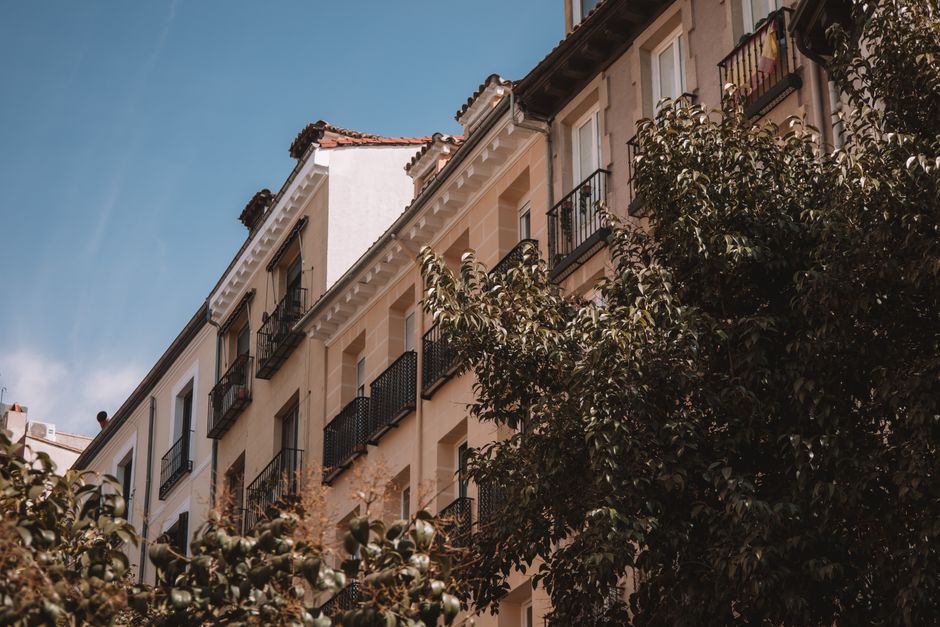
The framework also mandates preservation of heritage facades on streets like Paseo de Recoletos and enforces green space requirements—every new development must contribute to expanding Madrid's already ambitious urban tree-planting programme. Environmental groups welcomed these protections, though some questioned whether they sufficiently offset the scale of construction activity.
Implementation hinges on attracting private capital while maintaining the affordable housing quota. City officials are expected to announce incentive packages for developers within fortnight. Meanwhile, housing NGOs have already begun monitoring compliance mechanisms, signalling they intend to hold authorities accountable to affordability commitments.
The approval marks a critical juncture for Madrid's urban future—an attempt to balance growth, affordability, and livability in a city increasingly squeezed by competing pressures.
This article was compiled by AI from the sources linked above and screened before publishing. See our editorial standards.