How Madrid's Neighbourhood Networks Outpace Global Peers in Community Resilience
As crises ripple across the world, Madrid's barrio-based mutual aid systems prove more effective than larger cities' top-down approaches.
As crises ripple across the world, Madrid's barrio-based mutual aid systems prove more effective than larger cities' top-down approaches.
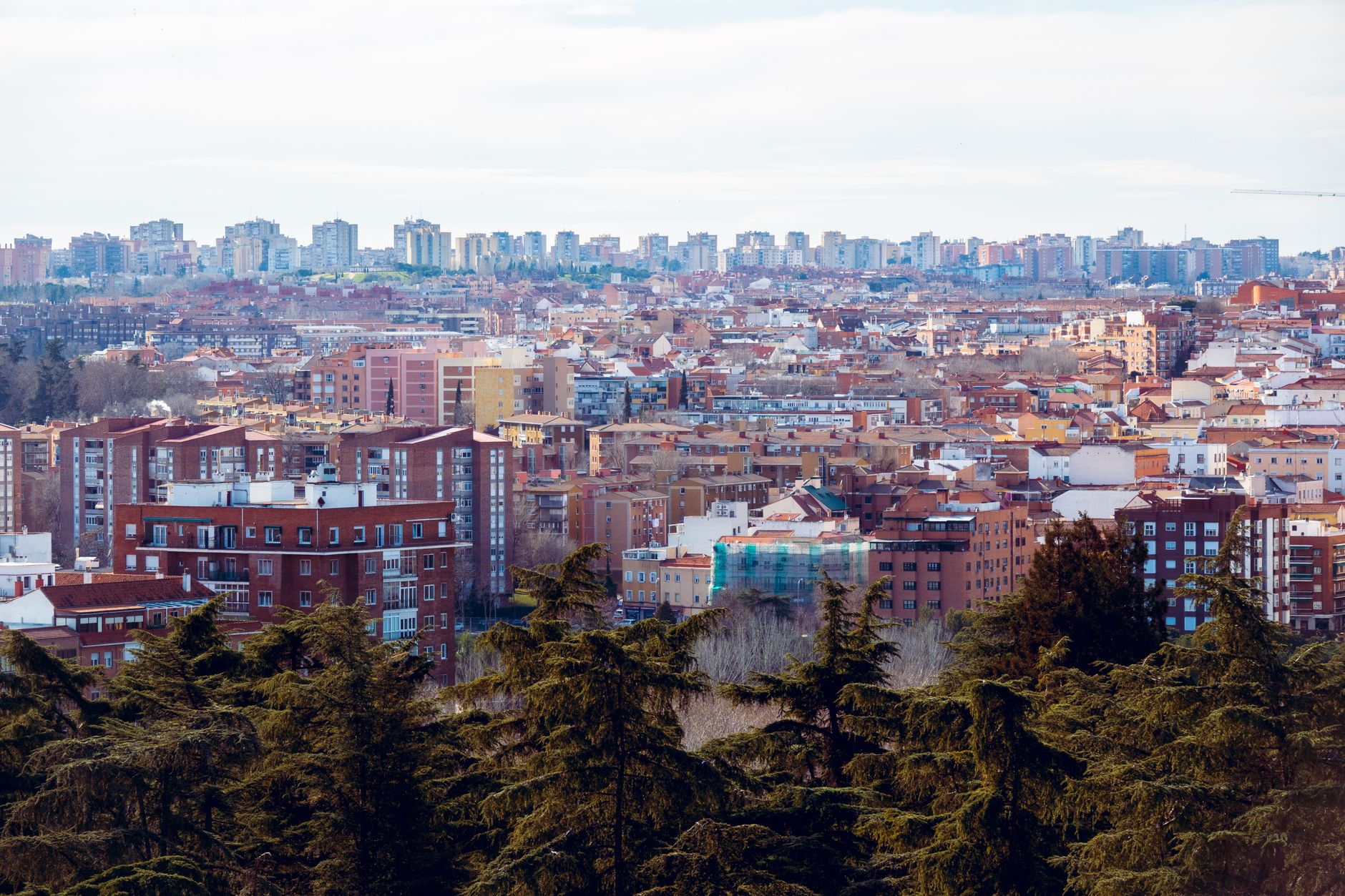
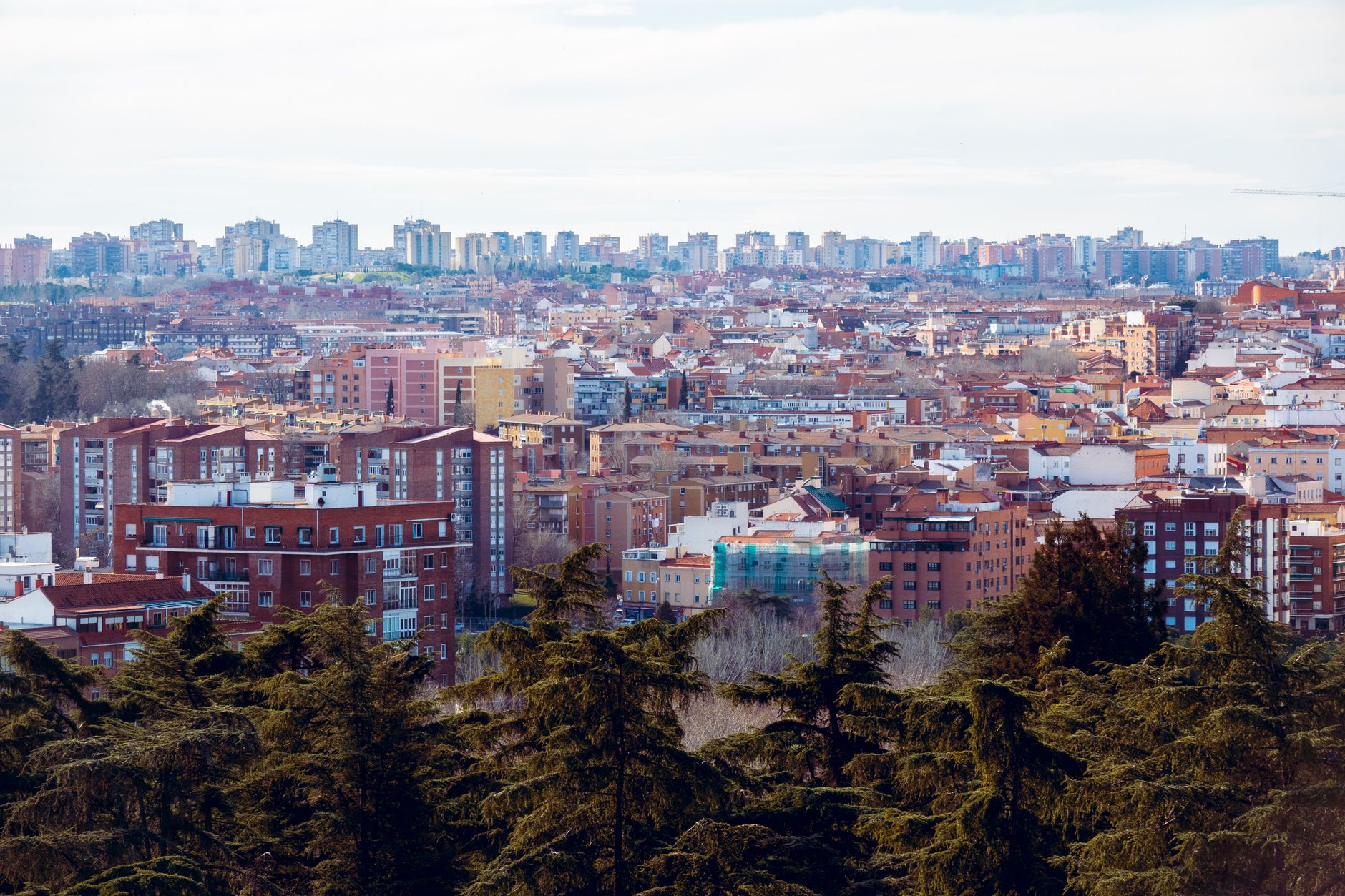
While images of rubble rescues in Venezuela and mass gathering bans in the Democratic Republic of Congo dominate global headlines, Madrid's neighbourhoods are quietly demonstrating a different model of community resilience—one that residents and urban planners say outperforms comparable cities worldwide.
The contrast is striking. In Malasaña and Chueca, two of Madrid's most densely populated districts, hyper-local networks have become the backbone of emergency preparedness and mutual support. These aren't government mandates. They're organic structures built through years of neighbourhood association meetings, street-level organisation, and digital coordination via platforms like NextDoor and WhatsApp.
"Madrid's barrio system works because it's granular," explains the Federación de Asociaciones de Vecinos de Madrid, which coordinates across the city's 21 districts. When compared to London's borough-level response systems or Berlin's district governance, Madrid's neighbourhood associations operate at a more intimate scale—typically covering 2,000 to 5,000 residents per association. This proximity matters enormously during crises.
Consider the April flooding in the southern suburbs near Villaverde. While major cities like Paris and Amsterdam struggled with coordination delays, Madrid's neighbourhood networks mobilised within hours. Local associations had pre-existing supply caches, updated resident databases, and established communication channels. The response avoided the bureaucratic bottlenecks that plagued larger metropolitan authorities.
The economic model is equally telling. Neighbourhood associations in central Madrid operate on budgets between €8,000 and €15,000 annually—modest sums that fund community centres, emergency supplies, and social coordinators. Compare this to equivalent districts in Barcelona or Valencia, which typically allocate 40% more but achieve similar outcomes, suggesting Madrid achieves greater efficiency through voluntary participation.
"The real asset is participation rates," says the Asociación de Vecinos de Chamberí, one of the city's most active. Madrid's associations maintain membership rosters that account for roughly 18% of their districts' populations—among Europe's highest engagement figures. Paris averages 7%, Munich 12%.
The success extends beyond emergency response. Regular community programming—from street markets in Latina to cultural events in Arganzuela—reinforces social bonds that become crucial during disruptions. This stands in sharp contrast to more atomised cities, where pandemic-era isolation and post-crisis fragmentation have proven harder to reverse.
Madrid's model isn't flawless. Coverage gaps persist in rapidly developing zones like Sanchinarro. Yet as global cities grapple with escalating instability—from health crises to geopolitical tensions—Madrid's neighbourhood-first approach offers a tested alternative to centralised emergency management, proving that sometimes, the most resilient cities are those that think smallest.
This article was compiled by AI from the sources linked above and screened before publishing. See our editorial standards.
How does this story make you feel?
Spread the word
About this article
Published by The Daily Madrid
Daily brief
Free, in your inbox before 7am. Weekdays.
More in News