Madrid's Green Ambitions: How Spain's Capital Stacks Up Against Europe's Sustainability Leaders
As cities from Copenhagen to Barcelona race to cut emissions, Madrid is charting its own course—with mixed results that reveal both promise and peril.
As cities from Copenhagen to Barcelona race to cut emissions, Madrid is charting its own course—with mixed results that reveal both promise and peril.
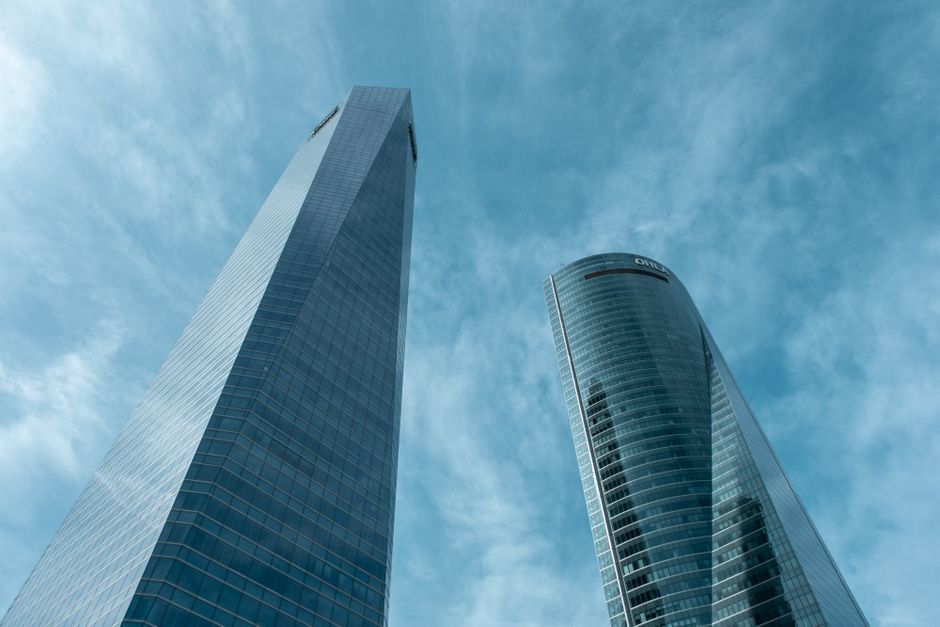
Madrid's commitment to becoming a sustainable metropolis has intensified in recent years, yet comparisons with peer cities across Europe and beyond suggest the Spanish capital is playing catch-up in several critical areas. While initiatives like the expansion of the Metro system and the creation of pedestrian zones in the city centre have garnered international attention, environmental experts warn that bolder action is needed to match the ambition of frontrunner cities.
The capital's flagship sustainability project, the revitalization of the Manzanares riverfront and the expansion of green spaces in neighbourhoods like Vallecas and Carabanchel, represents a significant investment in urban renewal. Yet Copenhagen's cycling infrastructure—where two-thirds of residents commute by bike—and Berlin's aggressive district heating networks reveal what comprehensive commitment looks like. Madrid's cycling lanes, concentrated mainly around the Paseo del Prado and central districts, remain fragmented and underutilised by comparison, accounting for roughly 2% of daily commutes.
Public transport tells a similar story. Madrid's Metro system, with 12 lines spanning 294 kilometres, is Europe's second-largest by length. However, the Zona A fare system, which keeps central zone tickets at €1.50, hasn't been significantly reformed since 2020—a contrast with Paris's move toward subsidised transit passes and Stockholm's congestion pricing model, which has reduced inner-city vehicle traffic by 20%.
Where Madrid shows genuine leadership is in its building efficiency standards. The requirement for new constructions to meet nearly-zero energy emission criteria has prompted major redevelopment in districts like Chamartín and along the Paseo de la Castellana. Yet Barcelona's earlier adoption of similar measures, combined with stricter penalties for non-compliance, suggests regulatory frameworks matter as much as infrastructure investment.
The city's waste management statistics reveal ongoing challenges. Madrid generates approximately 1.6 million tonnes of waste annually, with recycling rates hovering around 32%—trailing Amsterdam's 65% and Stuttgart's 58%. Recent investments in waste-to-energy facilities in the Fuencarral-El Pardo district represent progress, though environmental groups argue separate collection systems remain underfunded.
Crucially, Madrid's municipal government has committed to carbon neutrality by 2050—aligned with EU targets but less ambitious than London's 2030 net-zero commitment or Helsinki's carbon-neutral public sector by 2035. As the city navigates its sustainability journey, stakeholders increasingly recognise that remaining competitive on the global stage demands not just investment, but structural transformation comparable to what leading cities have already begun.
This article was compiled by AI from the sources linked above and screened before publishing. See our editorial standards.
How does this story make you feel?
Spread the word
About this article
Published by The Daily Madrid
Daily brief
Free, in your inbox before 7am. Weekdays.
More in News