Madrid's Malasaña Residents Face Critical Vote on ...
A landmark decision next month could reshape one of Madrid's most coveted neighbourhoods—and locals are deeply divided.
A landmark decision next month could reshape one of Madrid's most coveted neighbourhoods—and locals are deeply divided.
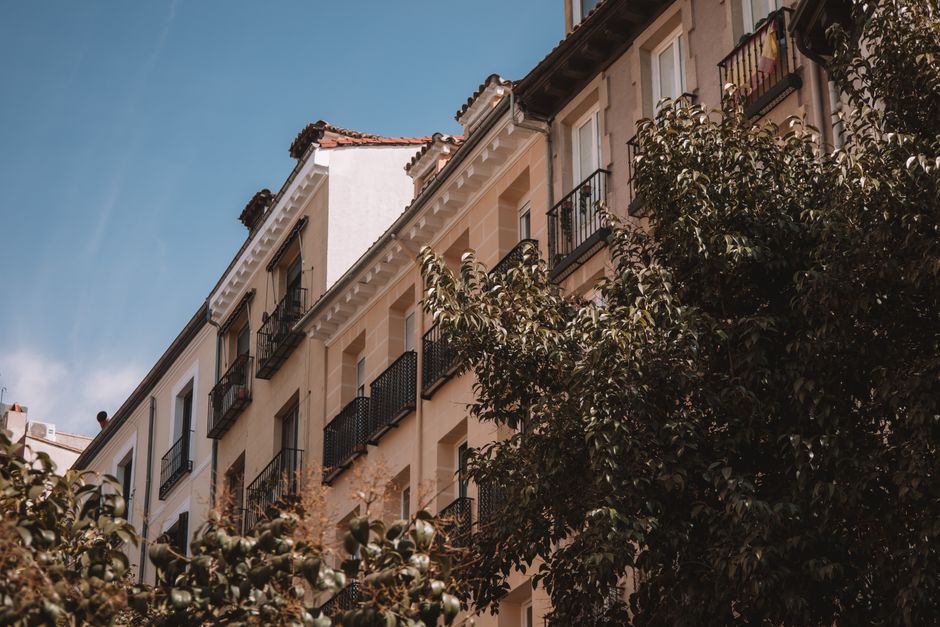
The narrow streets of Malasaña have long defined Madrid's bohemian identity, but residents gathered at the neighbourhood association headquarters on Calle de la Palma this week face an uncomfortable reality: the district cannot stay frozen in time, and decisions made in the next 30 days will determine whether it evolves or calcifies.
On 25 July, the Madrid City Council's urban planning committee will vote on a controversial proposal that would allow mixed-use development on up to 40 properties currently zoned for residential use only. The measure aims to address a housing shortage that has sent prices in Malasaña soaring to €8,500 per square metre—nearly double the city average of €4,200 just a decade ago.
For younger residents and families, the stakes are existential. "My daughter wants to stay in Madrid, but she cannot afford anything in this neighbourhood anymore," said one community organiser who requested anonymity. The proposal's supporters argue that allowing ground-floor commercial spaces with residential units above could generate affordable housing while preserving character. Critics worry about overdevelopment and losing the creative spaces—independent galleries, small publishing houses, vintage shops—that made Malasaña distinctive.
The decision arrives amid larger tensions reshaping Madrid's traditional working-class districts. San Blas-Canillejas saw average rents climb 34% between 2020 and 2025. Across the city, over 12,000 residents were displaced due to rising property costs in that same period, according to municipal data.
What happens next depends on several factors. The neighbourhood association has called for a community referendum before any vote—a proposal Madrid's socialist coalition government has signalled could be possible if properly petitioned. Simultaneously, city planners must decide whether new housing requirements will include affordability thresholds, a contentious detail that could make or break support from both developers and residents.
The Malasaña situation crystallises a challenge facing post-pandemic Madrid: how to remain an inclusive, living neighbourhood rather than becoming a museum district accessible only to wealthy residents and tourists. Other madrileño communities—from Chueca to Lavapiés—have already experienced this transition, and few speak fondly of the results.
The decision extends beyond property values. It reflects competing visions of what Madrid's future looks like: a city that grows and adapts, or one that protects authenticity at the cost of accessibility. The votes cast and policies adopted in coming weeks will shape that answer for an entire generation.
This article was compiled by AI from the sources linked above and screened before publishing. See our editorial standards.
How does this story make you feel?
Spread the word
About this article
Published by The Daily Madrid
Daily brief
Free, in your inbox before 7am. Weekdays.
More in News