Madrid's Green Future: Residents Speak Out on City's ...
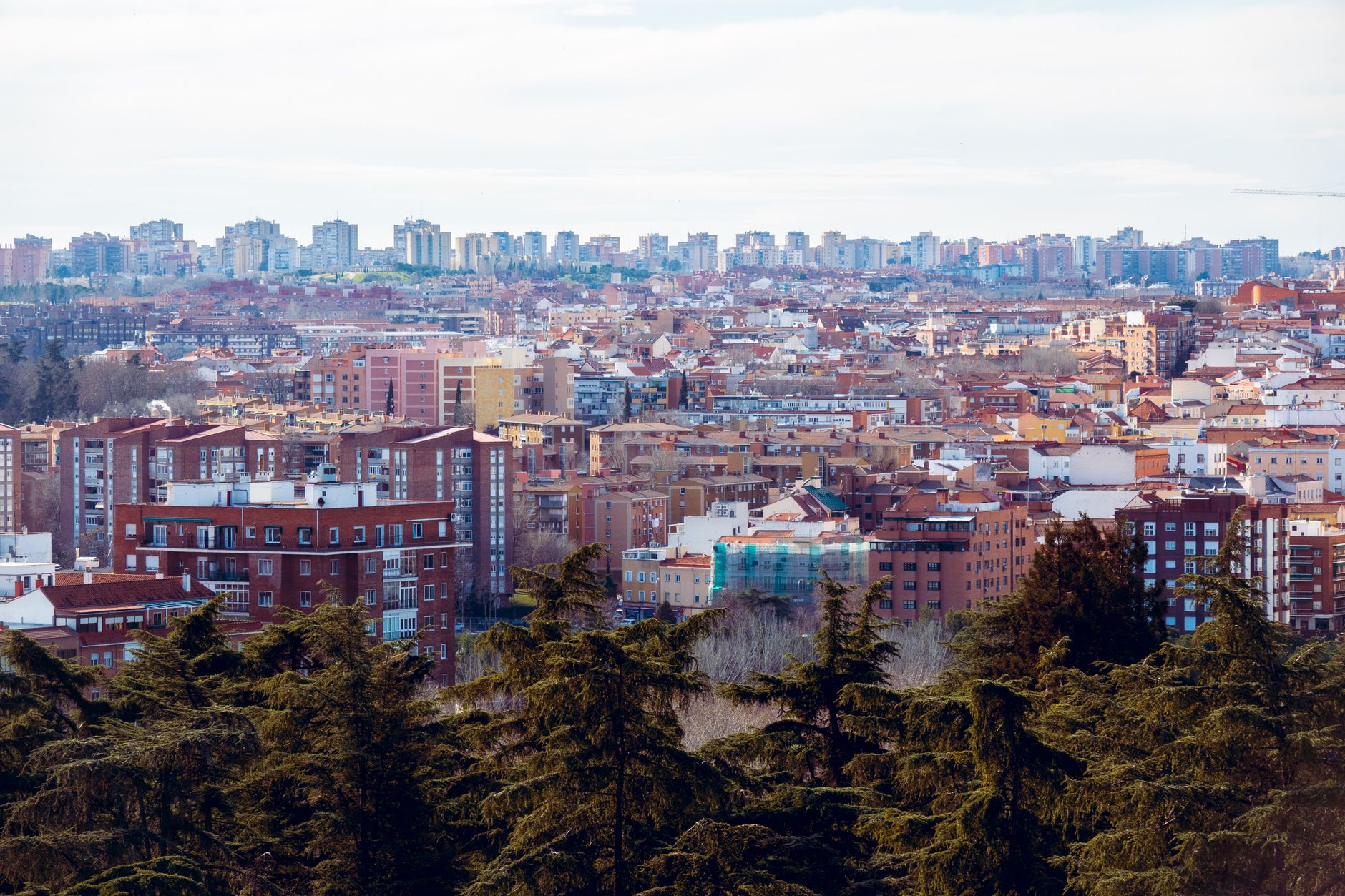
As the capital embraces ambitious environmental targets, neighbourhoods from Malasaña to Salamanca reveal what climate action means on the ground.
As the capital embraces ambitious environmental targets, neighbourhoods from Malasaña to Salamanca reveal what climate action means on the ground.
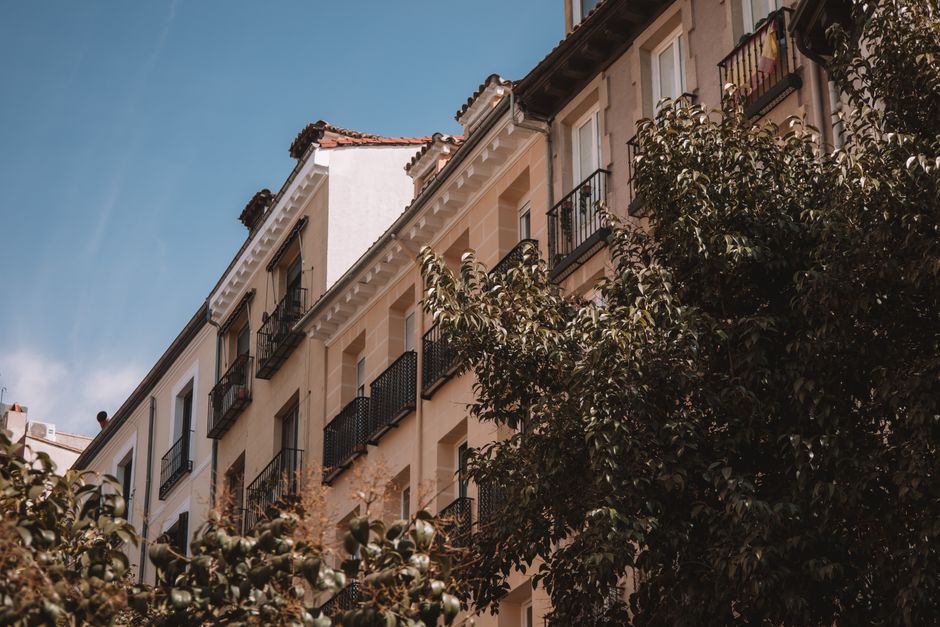
Madrid's sustainability agenda is accelerating, but its success ultimately depends on whether residents embrace the changes reshaping their daily lives. From expanded cycling infrastructure to neighbourhood green spaces, the city's environmental initiatives are generating both enthusiasm and concern among those living through the transformation.
In Malasaña, where cycle lanes now cut through traditionally car-dependent streets like Calle San Vicente Ferrer, the response has been mixed. Local business owners report that while foot traffic has increased by an estimated 15 per cent since the infrastructure overhaul began in 2024, some worry about reduced parking availability affecting their bottom lines. The broader trend, however, suggests adaptation: a recent survey by Madrid's municipal environmental department found that 68 per cent of residents in central neighbourhoods support prioritising public transport and cycling over private vehicles.
The city's target to reduce carbon emissions by 55 per cent by 2030—aligned with EU directives—has prompted tangible changes in how Madrileños navigate their city. Metro usage has risen to record levels, while the expansion of the city's cycle-sharing system to over 2,100 stations has democratised access to two-wheeled transport across working-class areas like Puente de Vallecas and more affluent districts such as Salamanca.
Yet voices from less central neighbourhoods raise important questions about equity in climate action. Residents in peripheral areas like San Blas-Canillejas argue that while central Madrid enjoys new parks and improved air quality, outer districts still suffer disproportionate pollution exposure from industrial zones and major traffic corridors. Community groups have called for faster implementation of the city's promised 50 new green spaces by 2028, citing health disparities that demand urgent attention.
Water conservation efforts have also sparked conversation. Madrid's plan to reduce consumption by 20 per cent by 2030 means stricter irrigation schedules for parks and gardens—visible this spring in the temporarily reduced verdancy of spaces like Casa de Campo. Gardening enthusiasts have expressed concern, though municipal officials emphasise that native, drought-resistant species will ultimately enhance urban resilience.
As Madrid positions itself as a European sustainability leader, these grassroots conversations matter enormously. The city's environmental blueprint only succeeds when neighbourhoods feel invested in its outcomes. From Retiro residents debating tree-planting strategies to shopkeepers on Calle Fuencarral navigating reduced delivery access, Madrid's sustainability story is being written not in policy documents but in how communities adapt, challenge and ultimately shape the greener capital taking form around them.
This article was compiled by AI from the sources linked above and screened before publishing. See our editorial standards.
How does this story make you feel?
Spread the word
About this article
Published by The Daily Madrid
Daily brief
Free, in your inbox before 7am. Weekdays.
More in News