Madrid's Green Revolution: How Spain's Capital Stacks Up Against Europe's Sustainability Leaders
As the city pushes ambitious climate targets, experts compare its progress to Berlin, Copenhagen, and Barcelona—with mixed results.
As the city pushes ambitious climate targets, experts compare its progress to Berlin, Copenhagen, and Barcelona—with mixed results.
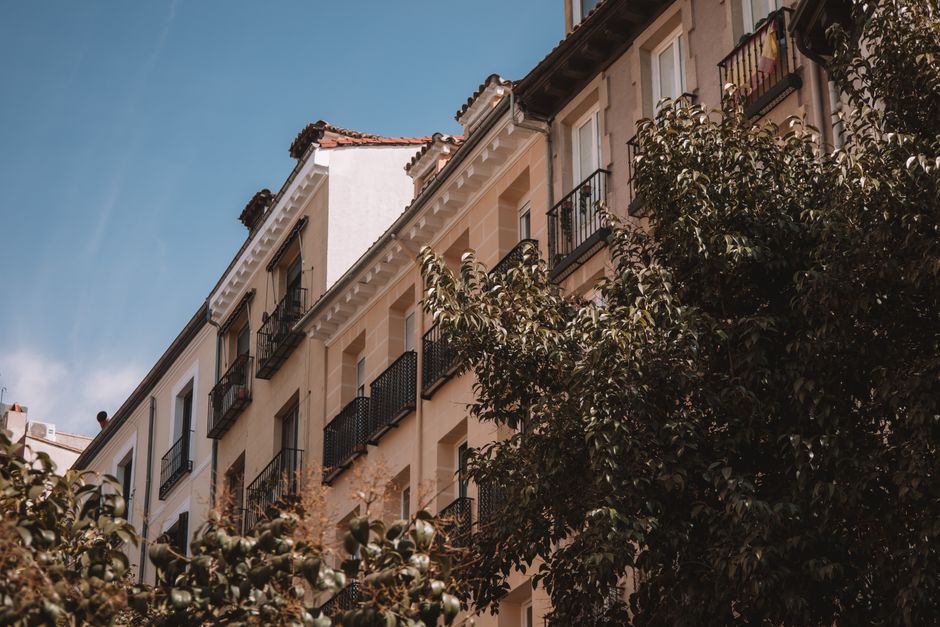
Madrid is betting big on sustainability. The city's €1.4 billion investment in the Madrid Río project transformed a neglected urban corridor into 33 kilometres of parkland, wetlands, and cycling infrastructure along the Manzanares river. It's an achievement that earned comparisons to similar waterfront revitalisations in Copenhagen and Barcelona. Yet when measured against Europe's most ambitious climate performers, Spain's capital reveals a more complicated picture.
The numbers tell a revealing story. Madrid has pledged carbon neutrality by 2050 and aims to reduce emissions by 40 per cent by 2030. Those targets align with EU directives, but they lag behind Copenhagen's more aggressive 2025 interim goal and Berlin's net-zero commitment for 2045. Copenhagen's congestion pricing system, which generated €80 million annually to fund public transport, remains a model Madrid hasn't fully replicated despite pilot schemes in the centro histórico.
Where Madrid excels is in accessibility. The city's expanded Metro network—now 302 kilometres—rivals Berlin's in scope and costs significantly less than London's per-kilometre expansion. The €0.20 single journey ticket represents one of Europe's most affordable public transport options, undercutting even Barcelona's €2.45 fare. This affordability has driven ridership to 666 million annual journeys, though cycling infrastructure still lags behind Copenhagen, where 62 per cent of commuters cycle versus Madrid's estimated 4 per cent.
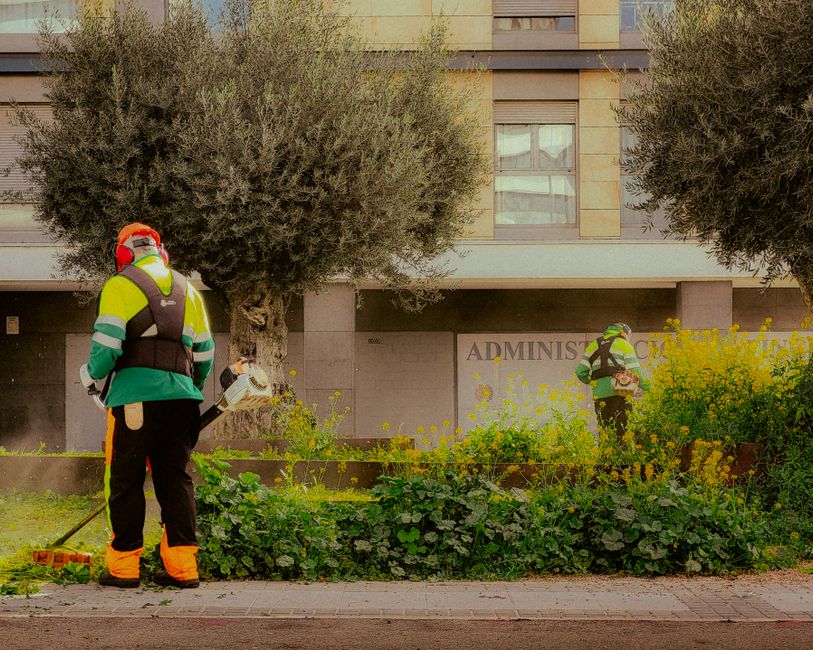
Green spaces tell another story. While Madrid Río represents genuine progress, the city's tree-planting initiatives have faced implementation challenges. A 2025 municipal programme aimed to plant 7,000 trees annually across neighbourhoods like Villaverde and San Blas, though community groups report inconsistent follow-through compared to Berlin's systematic urban forest management.
The waste management picture is similarly uneven. Madrid's recycling rate hovers around 35 per cent, substantially below Barcelona's 50 per cent and well behind Germany's 70 per cent average. Recent initiatives encouraging selective collection at locations like Plaza Mayor have shown promise but require sustained funding.
Perhaps most significantly, Madrid's sustainability efforts remain fragmented across municipal departments, neighbourhood associations, and private developers. Barcelona and Berlin have institutionalised climate governance through dedicated agencies with executive authority. Madrid's recently formed Office for Climate Action represents progress, but observers suggest it needs clearer mandate and budget to rival its peers.
The consensus among urban planners is clear: Madrid has launched credible initiatives and possesses genuine advantages in affordability and scale. Yet achieving parity with Europe's acknowledged leaders requires faster implementation, integrated governance, and greater investment in cycling and green infrastructure. The next three years will prove decisive.
This article was compiled by AI from the sources linked above and screened before publishing. See our editorial standards.
How does this story make you feel?
Spread the word
About this article
Published by The Daily Madrid
Daily brief
Free, in your inbox before 7am. Weekdays.
More in News