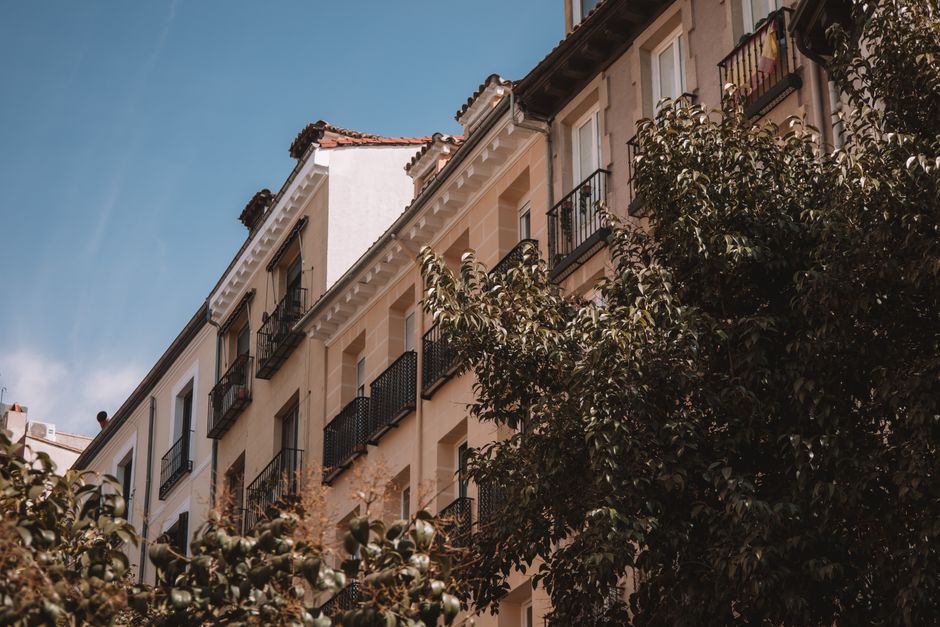
Madrid's neighbourhoods continued their week of transformation, with Malasaña leading the charge as residents gathered for the official opening of Casa Común on Calle de la Palma on Tuesday. The €1.2 million community project—a refurbished 19th-century building now housing workshops, meeting spaces, and a café—drew over 400 locals on its inaugural day, signalling renewed appetite for neighbourhood-led initiatives in the increasingly gentrified quarter.
The space, developed by a coalition of local associations and the city council, offers affordable studio rates for artists and entrepreneurs, with prices set at €180 monthly for creative practitioners—roughly 40 per cent below market rates in the area. Officials reported 47 enquiries within 24 hours of opening.
Meanwhile, in neighbouring Chueca, the San Antón market expansion project reached completion this week after fourteen months of renovation work. The historic marketplace, a cornerstone of the neighbourhood since 1846, now features 22 additional vendor stalls and improved climate control throughout its three floors. Market association president stated the renovation cost €2.8 million, with expectations that foot traffic will increase by at least 30 per cent through summer.
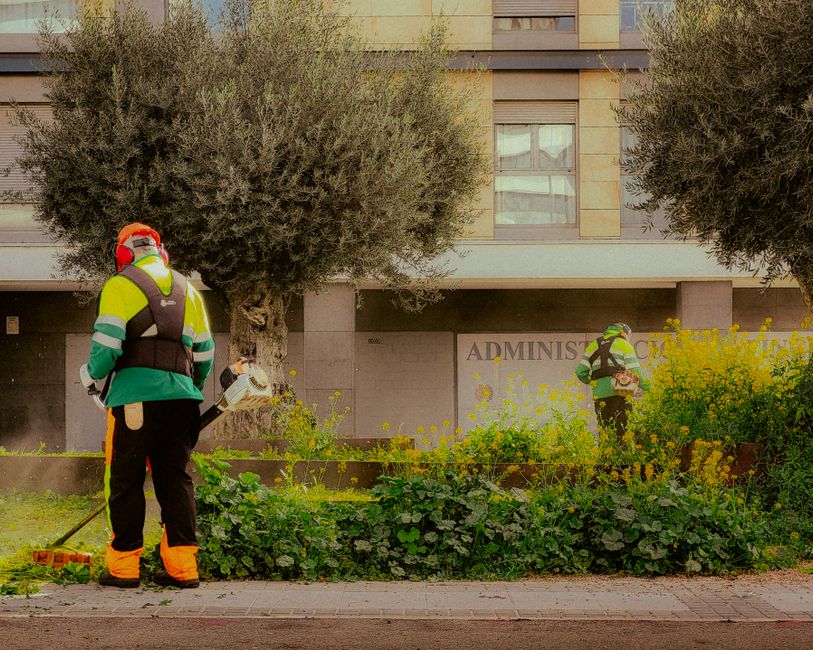
Across the city in Arganzuela, residents celebrated a different kind of victory as the Parque Tierno Galván underwent its most significant green investment in a decade. New native plantings, refreshed pathways, and restored lighting systems were unveiled Friday, with the council pledging €850,000 for the initiative. Local schools reported they would resume outdoor PE sessions there from September—the park had been partially closed for two years due to deteriorating infrastructure.
Not all developments came smoothly. Traffic disruptions continued through central Gran Vía as the metro extension project reached a critical phase, with temporary lane closures extending through Friday afternoon. The expansion, part of the broader sustainable transport strategy, now targets 2027 completion.
In Retiro, the neighbourhood association marked a small but meaningful achievement: the conversion of a shuttered retail unit on Calle de Alfonso XII into a community learning centre. The space, opening in July, will offer free digital literacy classes targeting residents over 65—a demographic representing nearly 28 per cent of the district's population.
These developments reflect Madrid's ongoing negotiation between modernisation and preservation, with neighbourhoods increasingly taking ownership of their evolution. As summer begins, many residents report cautious optimism about their barrios' futures.
This article was compiled by AI from the sources linked above and screened before publishing. See our editorial standards.