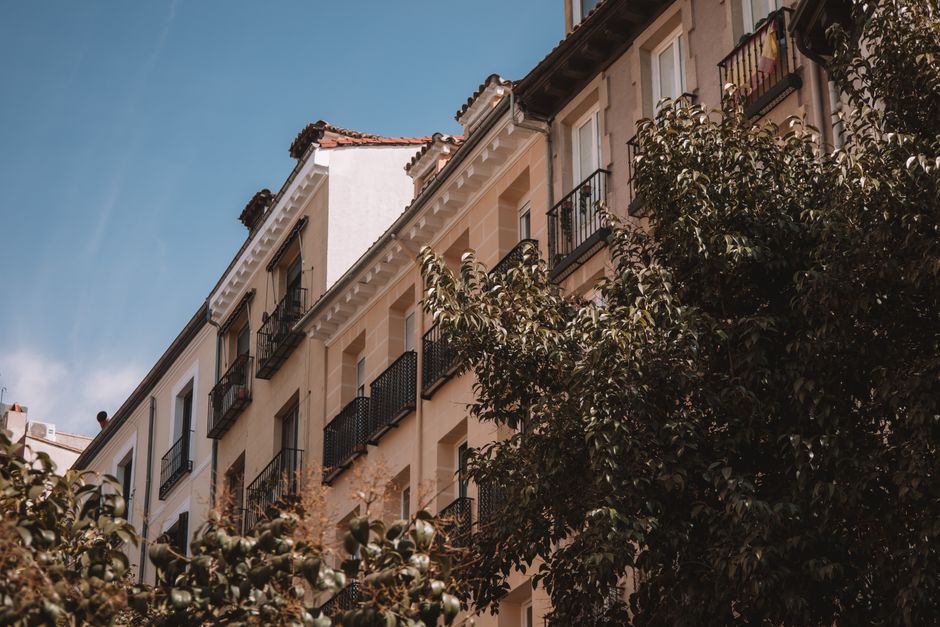
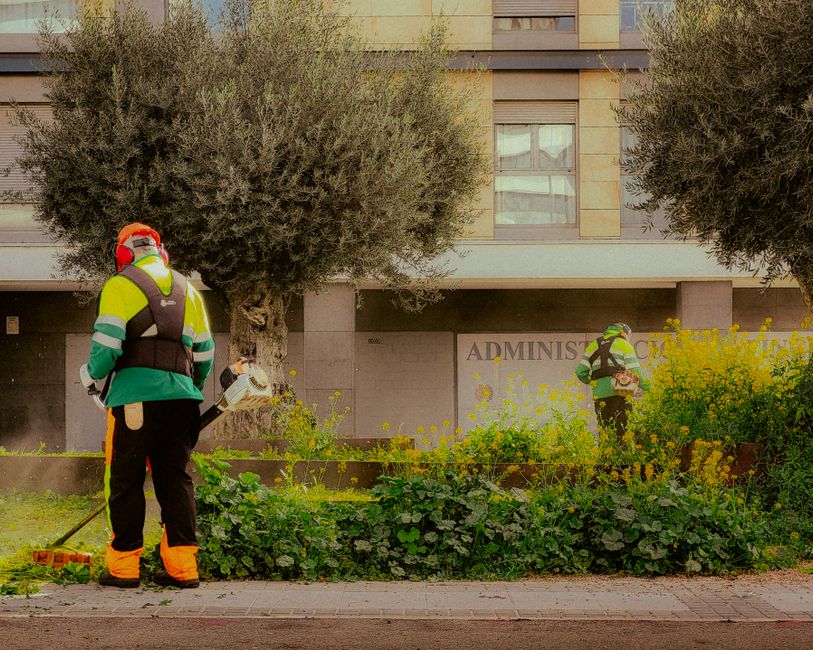
Madrid's commitment to becoming a carbon-neutral capital by 2050 has intensified this year, with the city council unveiling an expanded network of low-emission zones across central neighbourhoods and investing €180 million in public transport upgrades. Yet as Europe's environmental ambitions accelerate, questions linger about whether Spain's largest city can match the progress of its continental counterparts.
The expansion of the Madrid Central zone—the restricted driving area covering much of the city centre around Plaza Mayor and Sol—now encompasses 24.6 square kilometres, up from 4.7 when it launched in 2019. Traffic-related emissions in the restricted zone have dropped by 32 percent, according to municipal data released earlier this month. By comparison, Berlin's Environmental Zone, established in 2008, covers 88 square kilometres, though critics note Madrid's younger scheme has achieved faster percentage reductions in pollution levels.
Where Madrid genuinely leads is in urban rewilding. The €50 million Bosque Metropolitano project, which aims to plant 450,000 trees across 75 neighbourhoods by 2030, dwarfs similar initiatives in peer cities. Paris's plan to add 170,000 trees by 2026 is substantial, yet Madrid's geographical scope—stretching from working-class districts in Vallecas to affluent areas in Salamanca—reflects a more equitable distribution model, according to urban sustainability researchers.
Public transport remains contentious. Madrid's metro system, the world's second-largest by network length, is increasingly powered by renewable energy sources. The city council reports 40 percent of metro electricity now comes from wind and solar. However, Copenhagen's public transport system achieves 75 percent renewable coverage, and Berlin operates entirely carbon-neutral buses in central districts. Madrid's bus fleet electrification—with only 520 electric buses among 2,100 total vehicles—lags behind both cities.
Cycling infrastructure presents a mixed picture. The 180 kilometres of bike lanes mapped across Madrid represents significant progress, yet Copenhagen's 1,200 kilometres demonstrates the gap. Still, Madrid's cycling advocacy groups report a 47 percent increase in daily bicycle commuters since 2020, outpacing growth rates in Paris and Amsterdam during comparable periods.
The city's circular economy initiatives, particularly the expansion of neighbourhood repair centres and waste-reduction programmes in districts like Malasaña and Chueca, reflect grassroots momentum absent in larger European capitals. Yet funding disparities persist: Berlin allocates €2.50 per capita annually to environmental programmes, while Madrid spends €1.80.
Experts suggest Madrid's trajectory suggests genuine commitment, though sustained investment and political continuity will determine whether the city catches Europe's frontrunners or remains perpetually one step behind.
This article was compiled by AI from the sources linked above and screened before publishing. See our editorial standards.