Madrid stands at a pivotal moment in its environmental transformation. With the city's low-emission zone expanding beyond the M-30 ring road and climate targets tightening across the European Union, local authorities face a series of consequential decisions that will reshape how millions of residents live and move through Spain's largest metropolitan area.
The most pressing question concerns transport infrastructure. City officials must decide whether to accelerate the metro expansion into peripheral neighbourhoods like Hortaleza and Villaverde—areas where car dependency remains high and air quality regularly exceeds safe limits. Currently, the metro system serves 1.8 million daily commuters, but transport planners estimate an additional €800 million investment over five years would be needed to meaningfully reduce car journeys in outlying zones. Without this commitment, congestion pricing alone won't achieve Madrid's 2030 emissions reduction targets.
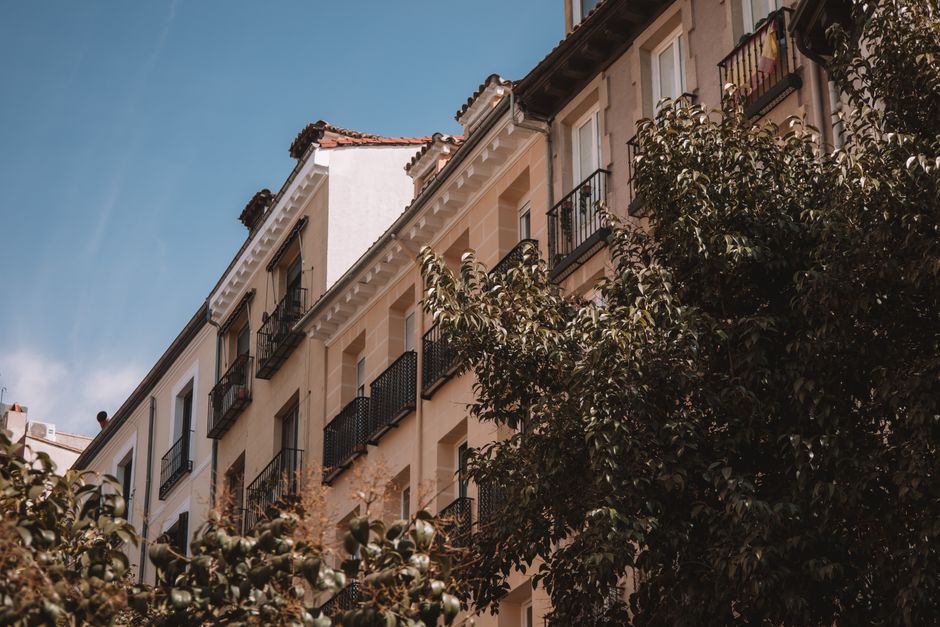
The renovation of Madrid's ageing building stock presents another decisive fork in the road. Nearly 60% of residential properties in neighbourhoods like Chamberí and Salamanca were built before modern energy efficiency standards. Retrofitting these structures could cut household heating emissions by up to 40%, but the question of who bears these costs—landlords, tenants, or the municipality—remains unresolved. Preliminary estimates suggest retrofitting 50,000 apartments would cost approximately €5,000 per unit.
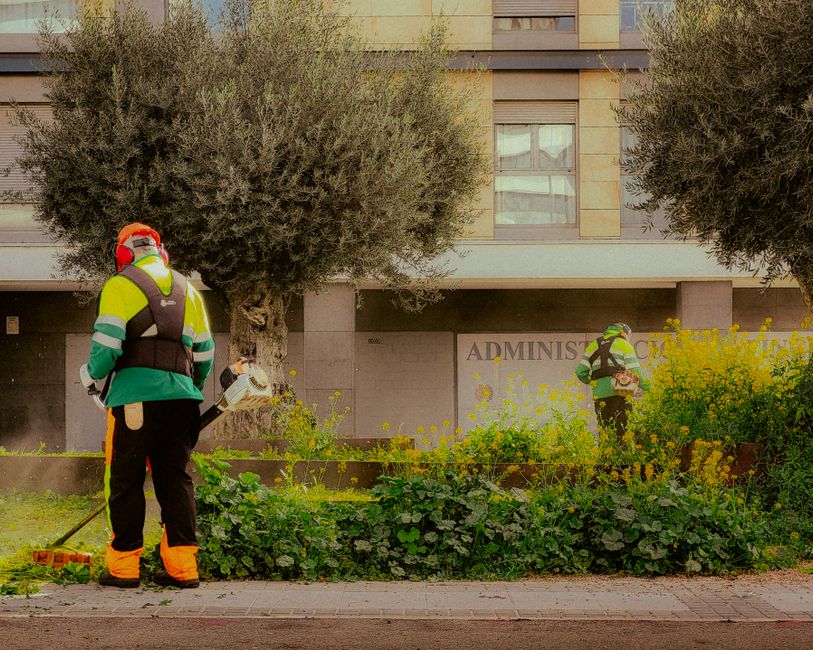
Green spaces represent a third critical battleground. The Parque del Retiro and Casa de Campo are jewels, but Madrid's southern districts have significantly less tree cover. Proposals to convert underutilised carparks and road verges into micro-forests and urban gardens have gained traction among environmental groups, yet face resistance from businesses and residents concerned about accessibility.
Perhaps most contentious is the future of the Almudena area near the cathedral and Palacio Real. Developers have proposed a mixed-use regeneration project promising carbon-neutral construction, but conservation advocates worry about disrupting one of Madrid's historic cores. The municipal council must balance heritage preservation against climate imperatives.
These decisions won't be made in isolation. Madrid's choices will influence neighbouring communities and set precedents for other Spanish cities. The council's next budget cycle, scheduled for autumn, will signal which investments genuinely matter. Until then, the city remains suspended between its aspirations and the harder work of implementation.
This article was compiled by AI from the sources linked above and screened before publishing. See our editorial standards.