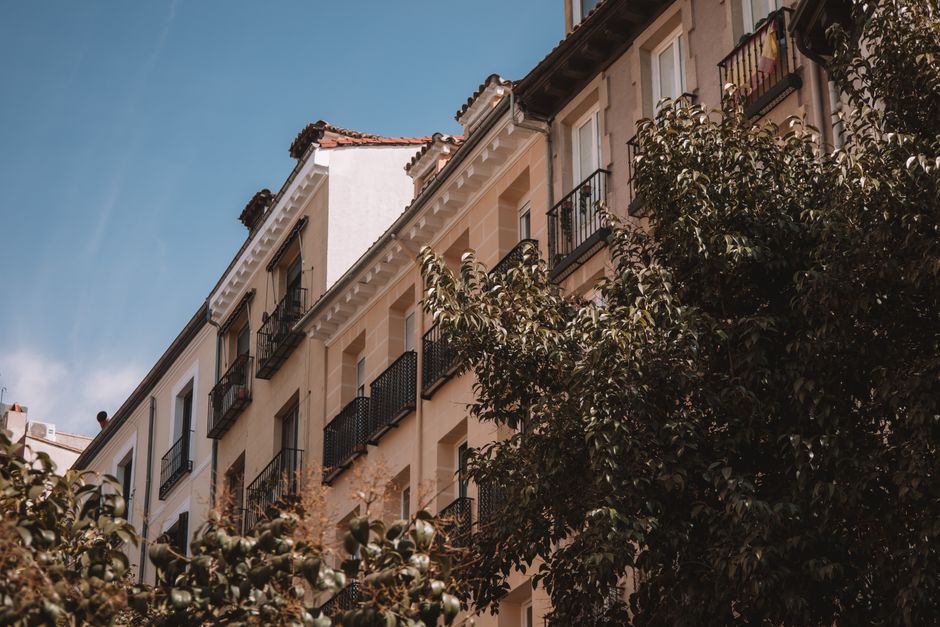
Malasaña's Community Hub Faces Crossroads: Will Residents Reclaim or Relocate?
A landmark neighbourhood centre closes its doors after 30 years, forcing locals to decide between fighting for restoration or accepting gentrification's inevitable shift.
A landmark neighbourhood centre closes its doors after 30 years, forcing locals to decide between fighting for restoration or accepting gentrification's inevitable shift.
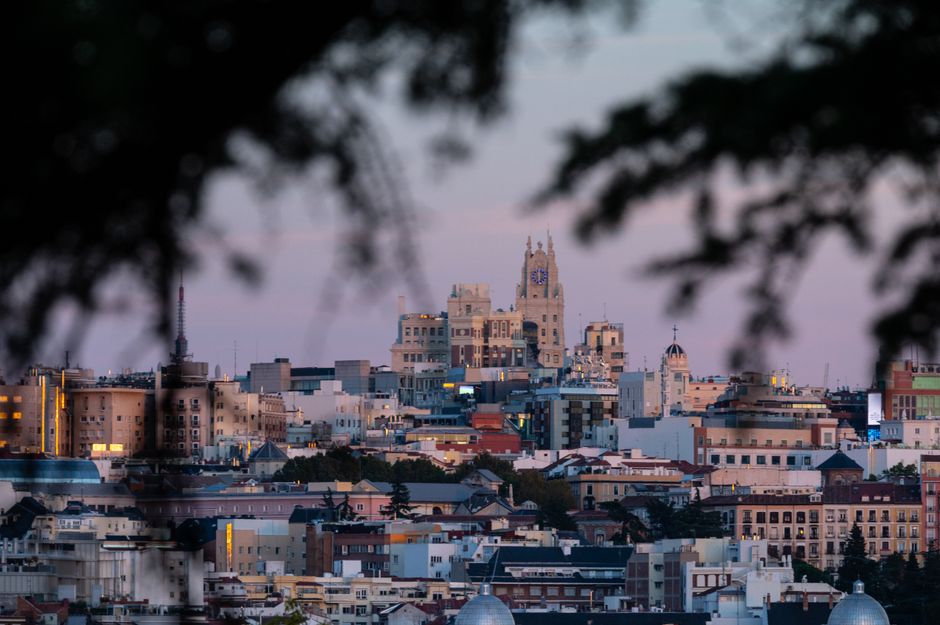
For three decades, the Centro Social Malasaña has anchored the district's working-class identity—a hub where elderly neighbours collected pensions, young families attended literacy classes, and local groups organised everything from flamenco workshops to tenant rights seminars. Now, with the building's lease expiring and its operating budget slashed by 40% over five years, the centre closes at the end of July, leaving the neighbourhood facing a stark question: how do communities survive when the institutions that hold them together disappear?
The closure mirrors a broader pattern across central Madrid. Property values in Malasaña have tripled in a decade, according to municipal data. Average rents now exceed €1,100 for a one-bedroom apartment—more than double the 2015 figure. Long-term residents who built the neighbourhood's reputation for bohemian character and social solidarity are being systematically pushed toward the periphery.
The decision points ahead are crucial. The regional government has offered a temporary subsidy to keep the centre operational through September, but only if administrators can secure alternative premises within walking distance of Calle Manuela Malasaña. That's proving difficult. Commercial landlords know the area's value and are pricing accordingly. A comparable 200-square-metre space would cost €4,000 monthly—three times the centre's previous rent.
Some residents favour a grassroots approach. A petition at the neighbourhood market on Plaza del Dos de Mayo has gathered 2,400 signatures demanding the municipality expropriate an unused municipal property on nearby Calle Velarde. Others argue that fighting is futile. They've begun researching satellite locations in Vallecas and San Blas-Canillejas, accepting that community services are migrating alongside the displaced population.
The city council's housing office promised to examine the Calle Velarde proposal by August 15th—but councillors have made no public commitment. Community organisers say the timeline is unrealistic; decisions made in autumn often go unimplemented by winter.
This summer becomes pivotal. If neighbourhood groups can mobilise residents and make politically costly noise before the August recess, there's leverage. If momentum fades during the holiday season, bureaucratic inertia typically prevails. The centre's closure isn't an inevitable tragedy—it's a choice point. What happens next depends entirely on whether Madrid's remaining long-term residents can still flex collective power in their own districts.
This article was compiled by AI from the sources linked above and screened before publishing. See our editorial standards.
How does this story make you feel?
Spread the word
About this article
Published by The Daily Madrid
Daily brief
Free, in your inbox before 7am. Weekdays.
More in News