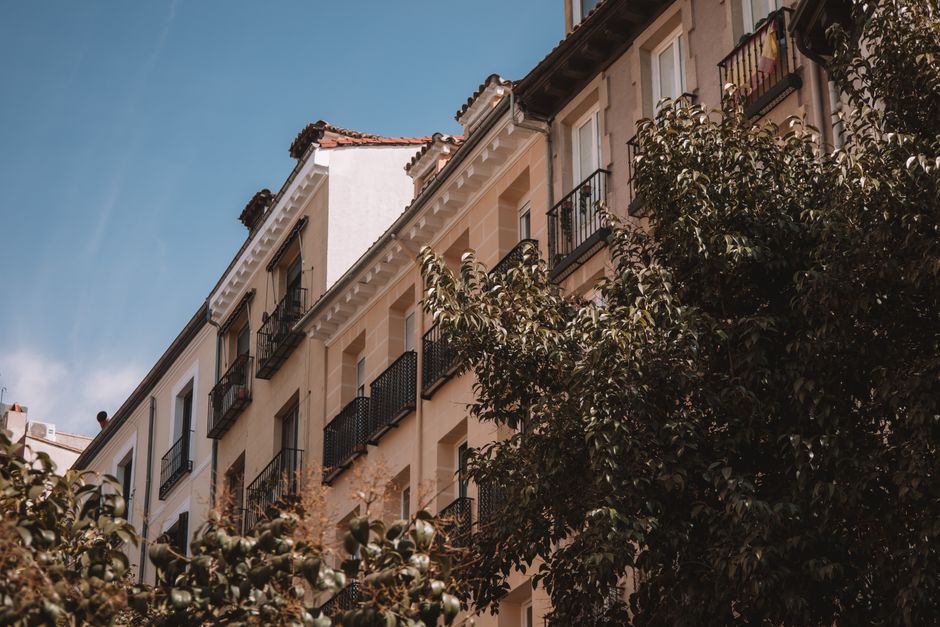
Madrid's current political deadlock over housing policy didn't emerge overnight. The crisis that has seen rental prices in neighbourhoods like Malasaña and Chueca surge past €1,200 monthly for modest two-bedroom flats traces back to decisions—and indecisions—made throughout the 2010s, when the city prioritised tourism infrastructure over residential development.
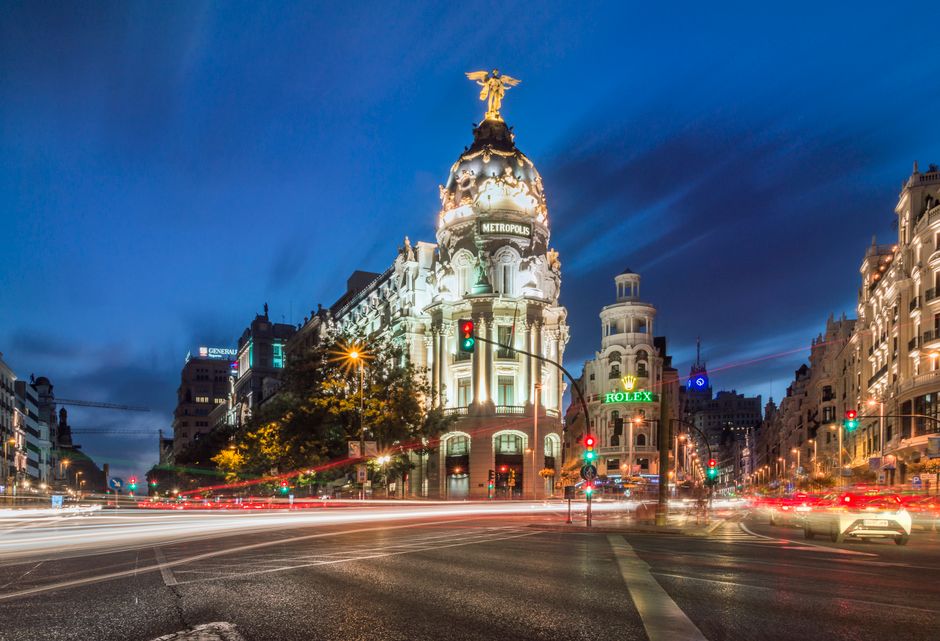
The roots run deep into the post-financial crisis era. When Madrid emerged from recession in 2014-15, the city council pursued aggressive tourist promotion, transforming central districts while residential construction stagnated. Reina Sofía Museum expansion, Gran Vía pedestrianisation projects, and the glossy rebranding of central neighbourhoods attracted visitors and international investment but priced out longtime residents. By 2024, housing activists occupied buildings on Calle de la Montera and Paseo del Prado, marking a crescendo of public frustration.
The municipal government fragmented along predictable lines. Socialist administrators who controlled city hall until 2023 emphasised mixed-use development and modest rent controls through the Regional Housing Plan, which aimed to create 10,000 affordable units across metropolitan Madrid. But the plan faced sustained opposition from centre-right municipal leaders in wealthy districts like Salamanca and Chamberí, who resisted high-density residential projects that might alter neighbourhood character.
Then came the 2023 municipal elections. No single faction secured commanding support. The resulting coalition—spanning Socialists, left-wing parties, and independent candidates—proved fragile. Disagreements emerged immediately over the future of Operación Chamartín, the sprawling northern development zone once promised as a housing solution but mired in bureaucratic complexity since 2008. Centre-right parties and business groups pushed for market-driven development; left coalitions demanded affordability guarantees.
Meanwhile, housing costs continued climbing. A report from the Colegio Oficial de Aparejadores de Madrid showed that property acquisition in the city's central neighbourhoods now demands salaries 12-15 times annual rental costs—among Europe's worst ratios. Young professionals increasingly relocated to satellite towns like Alcalá de Henares and Torrejón de Ardoz, hollowing out the centre.
Today's stalemate reflects this accumulated tension. The municipal government paralysed on housing; developers waiting for clarity; residents squeezed between investment portfolios and institutional gridlock. To understand Madrid's current political crisis is to recognise it as the inevitable consequence of a decade spent choosing spectacle over shelter.
This article was compiled by AI from the sources linked above and screened before publishing. See our editorial standards.