Madrid's Housing Crossroads: The Critical Votes That Will Shape the City's Future
As rental prices near €1,200 monthly and vacancy taxes loom, city planners face pivotal decisions on density, affordability, and neighbourhood character.
As rental prices near €1,200 monthly and vacancy taxes loom, city planners face pivotal decisions on density, affordability, and neighbourhood character.

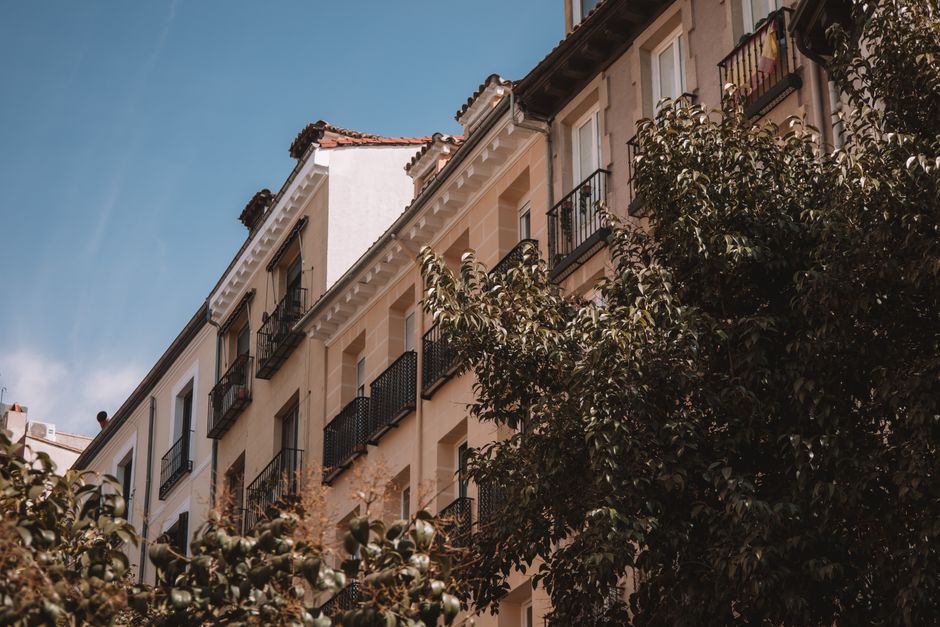
Madrid stands at a decisive moment in its urban planning calendar. With the autumn municipal sessions approaching, the city council must resolve three interconnected housing crises that will determine whether the Spanish capital remains liveable for its working residents or becomes exclusively the domain of affluent newcomers and foreign investors.
The pressure is mounting. Average rental prices in central neighbourhoods like Malasaña and Chueca have climbed past €1,200 per month for modest two-bedroom flats, a figure that has doubled in a decade. Meanwhile, the city's vacancy tax—set to increase from 0.4% to a proposed 1.5% for long-term vacant properties—enters its critical implementation phase this autumn. The Ayuntamiento must decide whether enforcement begins in September or rolls back under pressure from real estate lobbies.
The real flashpoint concerns zoning decisions in four strategic areas: the Reina Sofía museum district extension towards Atocha, the Mercado de San Miguel surrounding zones, the Chamberí neighbourhood corridors, and sprawling sectors around the Madrid Río park. City planners have drafted competing proposals. One prioritises mixed-income housing conversions in existing commercial zones. Another favours luxury developments that promise municipal tax revenue. A third seeks density increases through height allowances on Paseo de la Castellana.
Neighbourhood associations—particularly active groups in Retiro, Sol, and Tetuán—are mobilising residents for July hearings. Their central argument: Madrid cannot absorb another wave of hotel conversions and student housing blocks without fundamentally altering community fabric. Anti-gentrification activists point to Lavapiés, where rapid densification and tourist accommodation have displaced working families within five years.
The council's planning department faces a June deadline to recommend which proposal advances to formal vote. Sources close to municipal deliberations suggest the decision hinges on whether the city prioritises immediate revenue (luxury development brings faster municipal coffers) or long-term stability (affordable housing reduces social pressure and service demands).
International precedent offers warnings. Barcelona's 2015 housing reform came after decades of displacement. Valencia's recent density caps followed neighbourhood revolts. Madrid's leadership must decide whether to follow those cautionary tales or forge a different path.
The stakes extend beyond apartments. This summer's votes will determine whether Madrid remains a truly cosmopolitan city accessible to teachers, nurses, and artists—or becomes a monument to itself, beautiful but increasingly hollow of the people who actually maintain it.
This article was compiled by AI from the sources linked above and screened before publishing. See our editorial standards.
How does this story make you feel?
Spread the word
About this article
Published by The Daily Madrid
Daily brief
Free, in your inbox before 7am. Weekdays.
More in News