news
Madrid's Property Market Drowns in Recycled Images, Creating Tenant Crisis
Duplicate and misleading property photographs have flooded Madrid's rental market for years, but a surge in housing demand has turned a chronic nuisance into a serious problem for tenants and regulators alike.
How we reported this
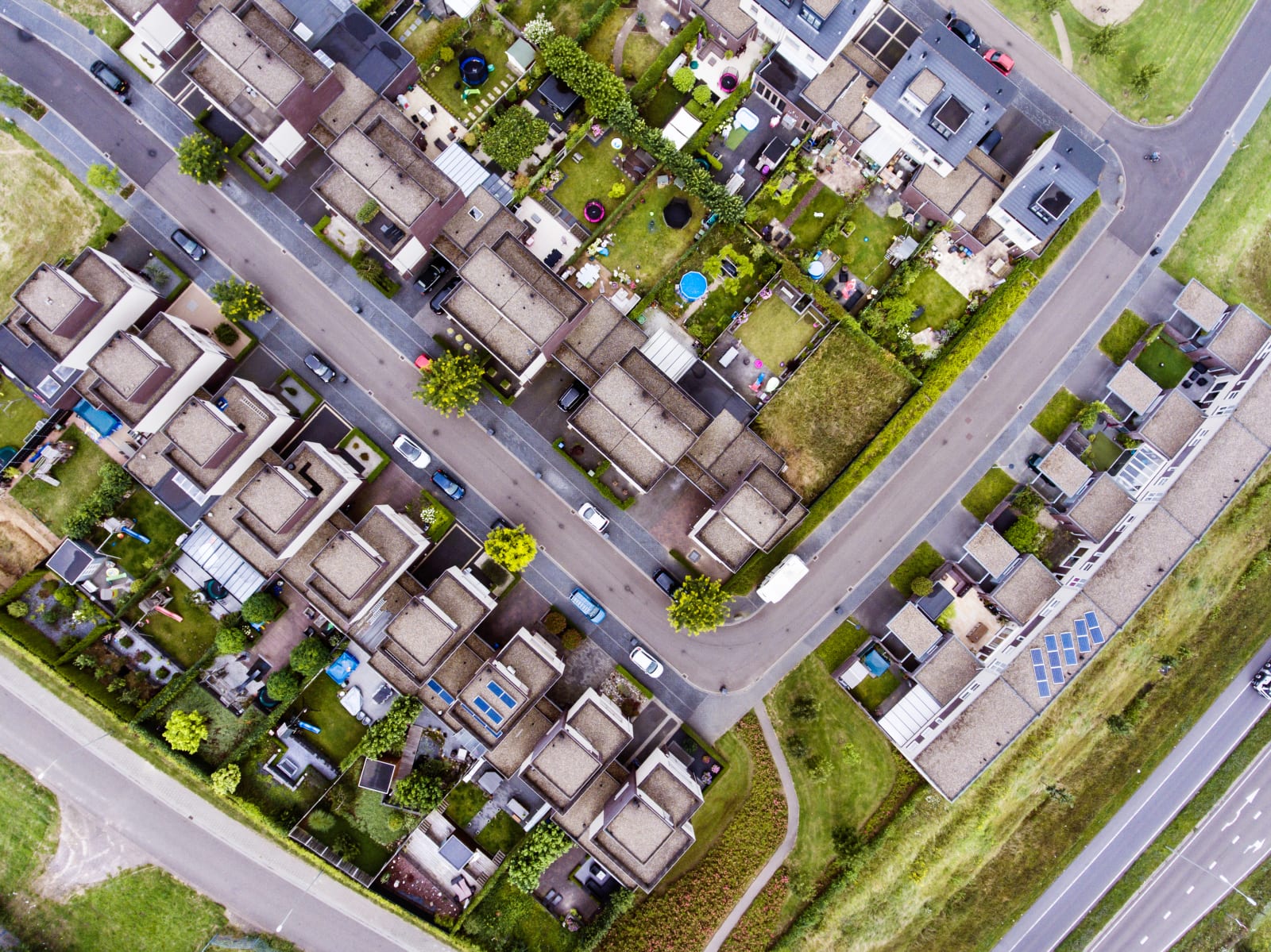
Walk into any search on Idealista or Fotocasa today and you will find the same sun-drenched living room appearing in listings for a flat in Lavapiés, a studio in Carabanchel, and a one-bedroom in Vallecas, sometimes all advertised by different landlords at different prices. Duplicate images in Madrid's rental listings are not new. What is new is the scale, the stakes, and the growing pressure on Spain's housing authorities to do something about it.
The problem matters right now because Madrid's rental market is under extraordinary stress. The Comunidad de Madrid, governed by Isabel Díaz Ayuso's Partido Popular, has resisted the national government's rental cap framework under the 2023 Housing Law, keeping the capital outside the price-control zones applied elsewhere in Spain. That political standoff has funnelled even more demand into an already overheated private market. When supply feels tight and competition is fierce, fraudulent or misleading listings, propped up by stock images or photographs lifted from entirely different properties, become more than an annoyance. They become a mechanism for extracting deposits from desperate renters who never see the flat before signing.
From Malasaña to Moratalaz: A Market Built on Borrowed Images
The practice tracks back at least a decade in Madrid, when the explosion of short-term tourist platforms like Airbnb created a secondary economy of professional-looking property photographs. Landlords and small agencies in neighbourhoods like Malasaña and Chueca began lifting polished images from holiday rental sites to dress up long-term listings that bore little resemblance to the actual flats. The Calle Fuencarral corridor became particularly notorious among housing advisers for listings where the advertised photograph showed a renovated loft with exposed brickwork, and the reality was a partitioned studio from the 1970s.
By 2020, Spain's consumer protection body, the Agencia Española de Consumo, Seguridad Alimentaria y Nutrición, AECOSAN, had registered a measurable rise in complaints linked to misleading property advertising, though enforcement remained fragmented across regional and municipal competencies. Madrid's own municipal housing office, the Oficina Municipal de Información y Atención a la Vivienda on Calle Montalbán, handled thousands of consultations annually, but had limited tools to compel platforms to pull duplicate or fraudulent image sets in real time.
The Madrid Tenants' Union, Sindicato de Inquilinas de Madrid, began documenting cases systematically around 2021, tracking listings in districts like Puente de Vallecas and Usera where the same set of four or five photographs rotated across dozens of separate listings month after month. Rental prices in those same districts climbed sharply, in parts of Vallecas, average advertised rents for a two-bedroom flat rose by roughly 30 percent between early 2021 and late 2024, according to data published periodically by Idealista's own market reports. That price pressure made renters more willing to commit quickly, and therefore more vulnerable to listings designed to mislead.
The Regulatory Gap and What Comes Next
Spain's 2023 Housing Law introduced stronger obligations on landlords and platforms around transparency, including requirements to disclose cadastral reference numbers in listings. But the law's implementation has been uneven, and the specific question of image verification, whether a photograph in a listing actually corresponds to the property being advertised, falls into a regulatory grey zone that neither the national government in Madrid's Paseo de la Castellana ministries nor the Comunidad de Madrid has moved decisively to close.
The European Union's Digital Services Act, which came into full force for large platforms in February 2024, theoretically gives regulators new leverage over platforms like Idealista to address systemic misleading content. Housing lawyers in Madrid have begun advising tenant organisations to reference DSA provisions when filing complaints, treating duplicate-image fraud as a form of illegal commercial content rather than a purely civil housing dispute.
For renters searching the market right now, the practical advice from housing advisers at the Oficina de Vivienda in the district of Arganzuela is consistent: demand a video walkthrough before any payment, cross-reference listing photographs against Google Street View for exterior shots, and report duplicate image sets directly to both the platform and the Ayuntamiento's consumer protection service. The tools exist. Using them systematically, and compelling platforms to act on the results, is the work that Madrid's housing advocates say has barely begun.