news
Madrid Planners and Residents Clash Over Neighborhood Redesign Plans
Officials and experts clash over plans to reshape working-class districts as housing pressures and tourism growth force the city to rethink its urban fabric.
How we reported this
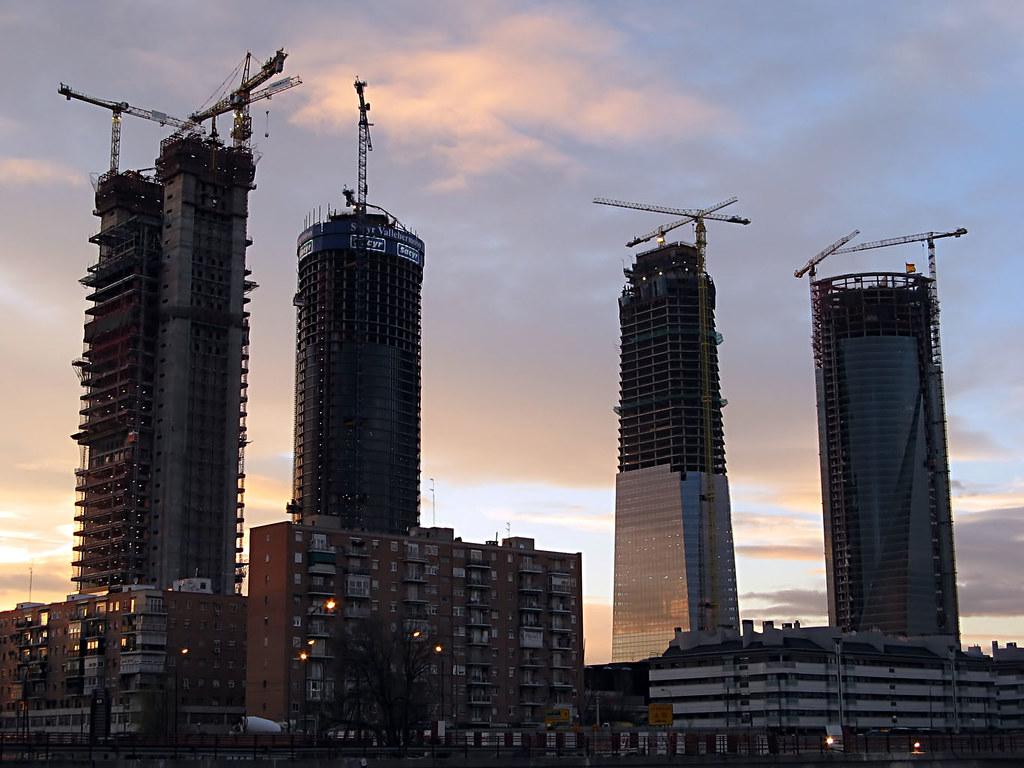
Madrid's City Hall is pushing ahead with ambitious plans to renovate aging residential neighborhoods across the capital, but the strategy has triggered a sharp divide between municipal officials, urban planners, and residents who worry about displacement and rising rents.
The renovation initiatives focus on districts like Vallecas, Usera, and San Blas-traditionally working-class areas where apartment buildings from the 1960s and 1970s dominate the streetscape. City officials argue the upgrades are essential to address deteriorating infrastructure and make Madrid competitive as a European capital. Yet neighborhood associations and housing advocates say the projects risk accelerating gentrification in sectors where many families already struggle with rents that have jumped 23 percent over the past three years, according to data from the Madrid real estate portal Idealista.
The tension reflects a broader problem facing the Spanish capital. Tourism arrivals reached 9.2 million visitors last year, straining housing stock and services. The Ayuso regional government's decision to scrap rental price caps in 2023 removed a key tenant protection, leaving neighborhoods vulnerable to rapid property value shifts when infrastructure improvements arrive.
The Infrastructure Push and Its Complications
The City Council has allocated €156 million through 2027 for neighborhood renewal projects centered on the so-called Plan de Barrios. Street improvements in Plaza de Cascorro in Lavapiés, renovation of drainage systems in Tetuán, and facade work along Avenida de Ocho de Marzo in Usera are underway or planned. These upgrades target neighborhoods where municipal services lag behind central districts.
Urban planning experts from the Universidad Autónoma de Madrid's architecture faculty have raised concerns in recent meetings with the City Council about the pace and scope of the renovations. They point out that similar projects in Berlin and Barcelona preceded significant rent increases and the departure of original residents. One planning association, the Colegio de Arquitectos de Madrid, warned in a June statement that infrastructure improvements without accompanying tenant protections could trigger displacement within five years.
Housing NGOs like Plataforma de Afectados por la Hipoteca have registered complaints from Vallecas residents reporting that landlords are already raising rents in anticipation of improvements. Average monthly rent in Vallecas now sits at €750 for a one-bedroom apartment, up from €580 in 2021.
What City Officials Are Saying
City Hall representatives defend the renovation strategy as necessary urban maintenance. Officials note that neighborhoods like San Blas have sewage systems dating to 1975 and streets that flood during heavy rain. They argue that deferred maintenance ultimately harms property values and quality of life for residents.
The City Council's development office has stated that the Plan de Barrios includes affordability safeguards, though details remain sparse. Officials point to a pilot program offering tax incentives to landlords who keep rents stable for three years-a measure housing advocates describe as insufficient given rental market dynamics.
The debate will likely intensify as City Hall moves forward with Phase Two of the program this autumn, which targets additional neighborhoods including parts of Carabanchel and Villaverde. Residents' assemblies are scheduled to begin July 28 in affected areas, where officials plan to present renovation timelines and seek feedback on street design priorities.
For families currently renting in these neighborhoods, the coming months will determine whether infrastructure upgrades enhance their quality of life or become the first step toward displacement. The answers will shape not just individual households but Madrid's identity as either a capital that accommodates its working population or one increasingly reserved for tourists and wealthy transplants.