news
Madrid Officials and Experts Debate Solutions to Growing Traffic Crisis
City leaders and transport specialists weigh in on Madrid’s ongoing traffic challenges and mobility future.
How we reported this
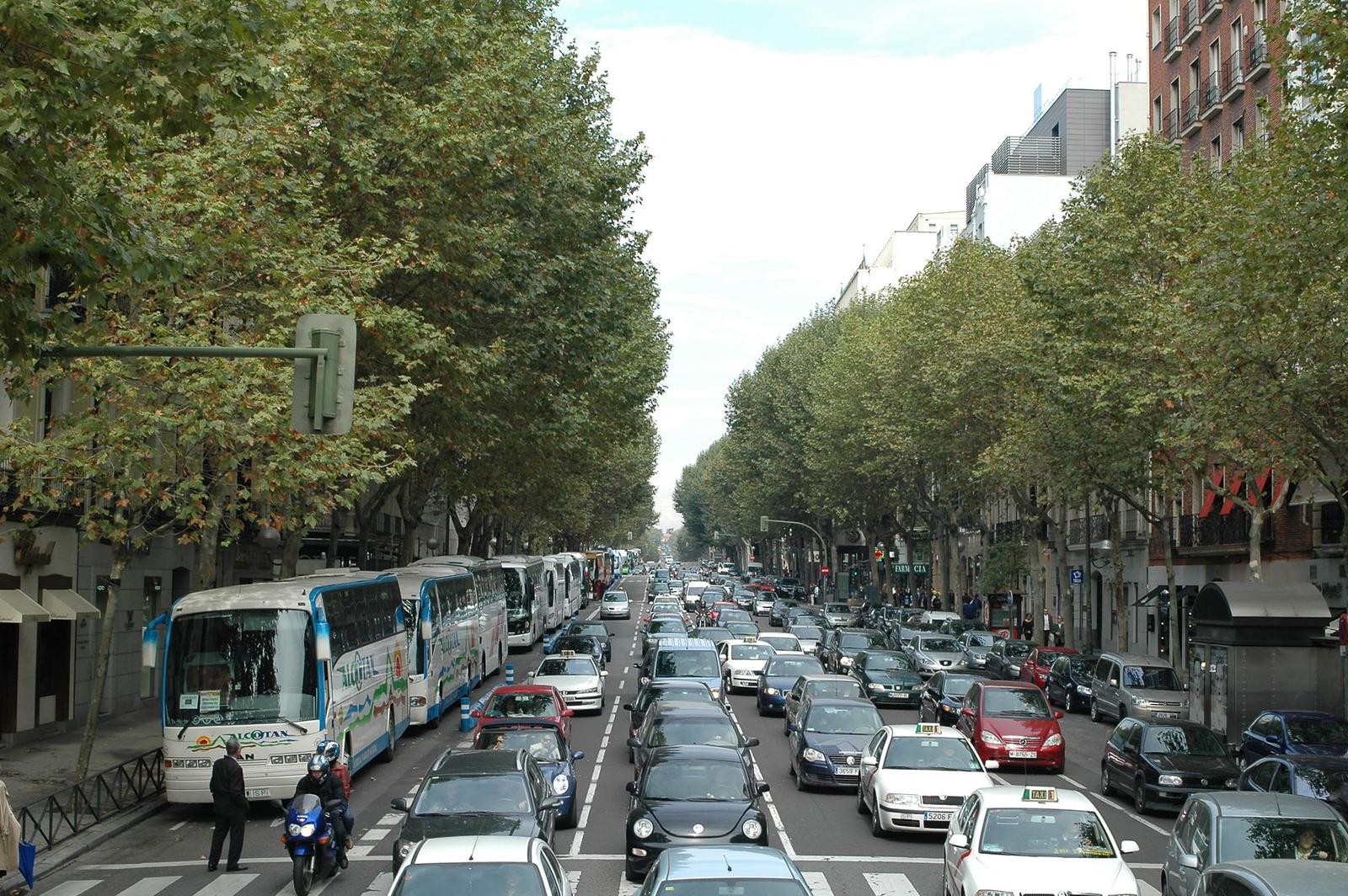
Traffic congestion and public transport capacity remain central concerns for Madrid’s daily commuters and policymakers, with officials and transport experts providing varied insights into addressing the city’s escalating mobility demands.
Why Madrid’s Transport Conversation Intensifies Now
Madrid continues to experience a tourism boom and dense urban saturation, intensifying the strain on its roads and transit systems. The region’s political leadership, under Isabel Díaz Ayuso’s conservative PP government, faces mounting pressure to balance economic growth with livability. Recent debates over housing rental caps have spotlighted broader urban planning issues, sharpening public and official focus on transportation as a key to sustainable development.
Key figures emphasize that improving traffic flow and expanding public transit infrastructure are critical to maintaining Madrid’s position as a vibrant European capital. Experts highlight that without action, the city risks prolonged congestion problems that affect residents’ quality of life and economic productivity.
Local Factors and Stakeholder Views
Within Madrid, several neighbourhoods and arterial streets, including major hubs such as Gran Vía and Atocha, often experience heavy traffic jams during peak hours. Transport authorities are exploring initiatives aimed at reducing private car usage in these dense areas, encouraging shifts toward public transit and cycling.
Institutions such as EMT Madrid (Empresa Municipal de Transportes) and the Community of Madrid's Department of Transport have been focal points for developing strategies to enhance service frequency and network coverage. Public discussions increasingly involve input from urban mobility experts who advocate for integrated ticketing, improvements in last-mile connectivity, and adaptive traffic management technologies.
Evidence and Practical Considerations
While specific recent statistics on Madrid's traffic flow or transit ridership are not available in the currently citable input, the general qualitative consensus among experts and officials points to persistent congestion and growing demand as pivotal challenges. This consensus is grounded in ongoing observations of travel times during rush hours and feedback from Madrid's continually diversifying and expanding population.
The city's tourism influx, combined with local commuting patterns, contributes to variable peak loads on transport infrastructure. Practical solutions discussed include expanding the metro lines, optimizing bus routes, and enforcing measures to discourage single-occupancy vehicle trips.
Residents should watch for announcements from the Community of Madrid and EMT Madrid regarding updates or reforms in traffic regulation and public transport schedules that aim to alleviate pressure on critical corridors.
In the coming months, city officials and transport planners are expected to continue consultations and possibly pilot new mobility solutions aligned with broader urban resilience goals, reflecting a shared understanding among key players that sustained engagement is essential to addressing Madrid’s complex transport and traffic issues.