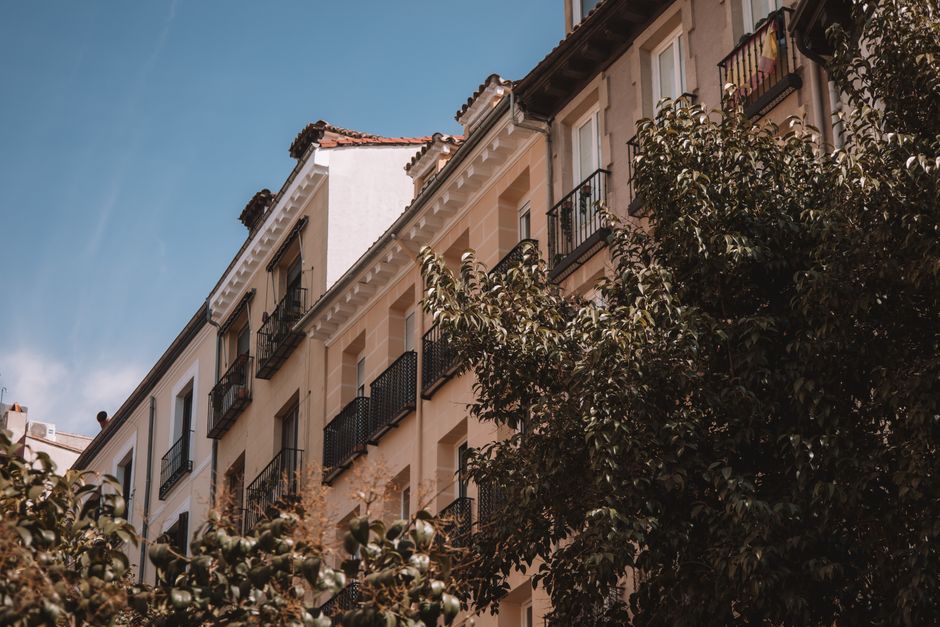
Madrid's suburban goldmine: where investor yields are actually delivering returns
While central districts command premium prices, satellite neighbourhoods are generating the rental income that's rewarding patient capital.
While central districts command premium prices, satellite neighbourhoods are generating the rental income that's rewarding patient capital.
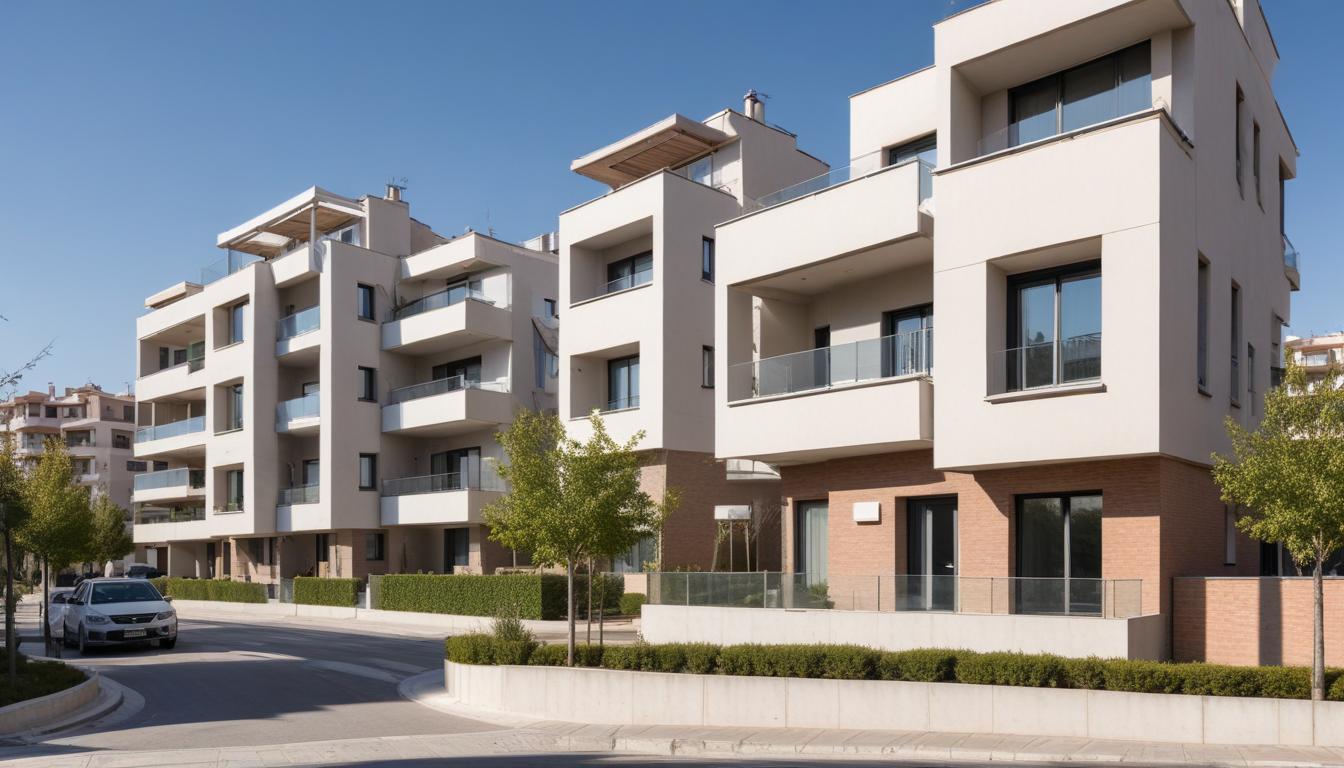
Madrid's property conversation has long orbited the Salamanca district and the leafy streets of Chamberí. But the real numbers tell a different story—one written in the suburbs, where rental yields are climbing while central prices plateau.
The maths are compelling. While Salamanca hovers around EUR 7,000–8,000 per square metre with yields hovering at 2.5–3%, suburbs like Getafe and Fuenlabrada are trading at EUR 2,800–3,200 per sqm with gross rental yields pushing 4.5–5.5%. For investors, that differential matters enormously.
Vallecas, traditionally overlooked, has emerged as the city's most watched investment corridor. The neighbourhood's regeneration—anchored by the Madrid Río project's southern extension and improved metro connectivity via Line 3—has attracted both domestic and international capital. A two-bedroom apartment in this zone now rents for EUR 850–1,050 monthly, against purchase prices of EUR 3,200–3,600 per sqm. That's a 3.2–3.8% gross yield, respectable by European standards and considerably better than the capital's 2.8% average.
Leganés, southwest of the capital, presents similar mechanics with less competition. Proximity to the industrial parks along the N-V corridor and the Leganés railway station have underwritten steady demand from young professionals and small families. Rental stock moves quickly, averaging 65 days on market versus 85 days citywide. Prices sit at EUR 2,900–3,100 per sqm, with monthly rents of EUR 750–920 for comparable units.
The data reveals a clear investor advantage: lower entry costs, faster tenant absorption, and rental growth outpacing price appreciation. In central Malasaña and Chueca, where gentrification has already run its course, annual price growth has settled at 1.8–2.1%. Suburban yields are compounding at 2.4–2.8% annually, plus the rental income that actually funds mortgages.
Regulatory environment matters too. Madrid's regional government has maintained relatively stable property taxation, and the new short-term rental licensing framework—implemented earlier this year—has actually strengthened long-term rental fundamentals by reducing speculative conversion to tourist lets. That regulatory clarity is driving institutional money toward suburbs where yields matter more than postcode prestige.
For investors balancing risk and return, the thesis is straightforward: central Madrid remains aspirational real estate. The suburbs, however, are where capital actually works.
This article was compiled by AI from the sources linked above and screened before publishing. See our editorial standards.
How does this story make you feel?
Spread the word
About this article
Published by The Daily Madrid
Daily brief
Free, in your inbox before 7am. Weekdays.
More in Property