Madrid's ultra-premium property sector is confronting an unfamiliar headwind. After years of robust growth that saw penthouses in Salamanca command €15,000 per square metre and prestigious addresses along Paseo de la Castellana attract international capital at record multiples, the city's luxury market is recalibrating in response to sweeping planning reforms enacted by the municipal government.
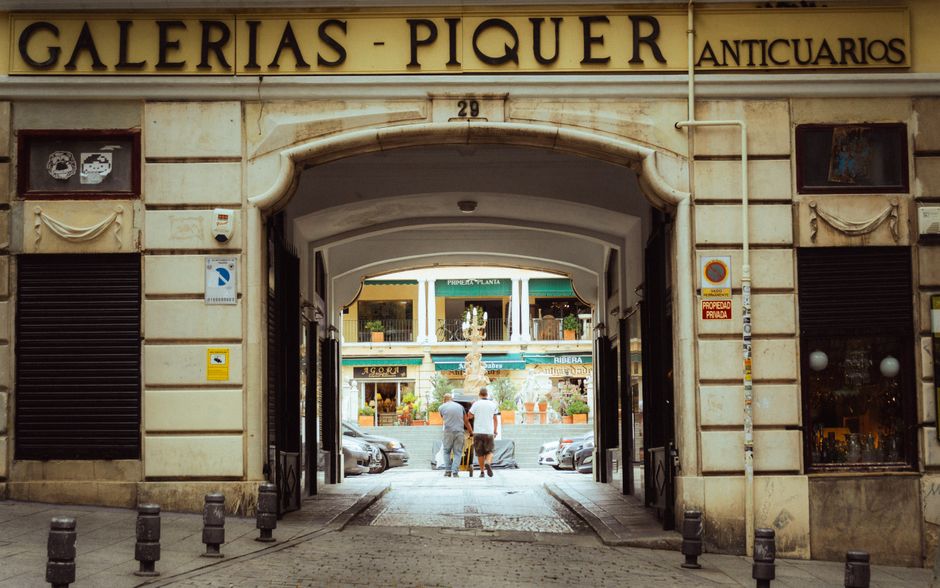
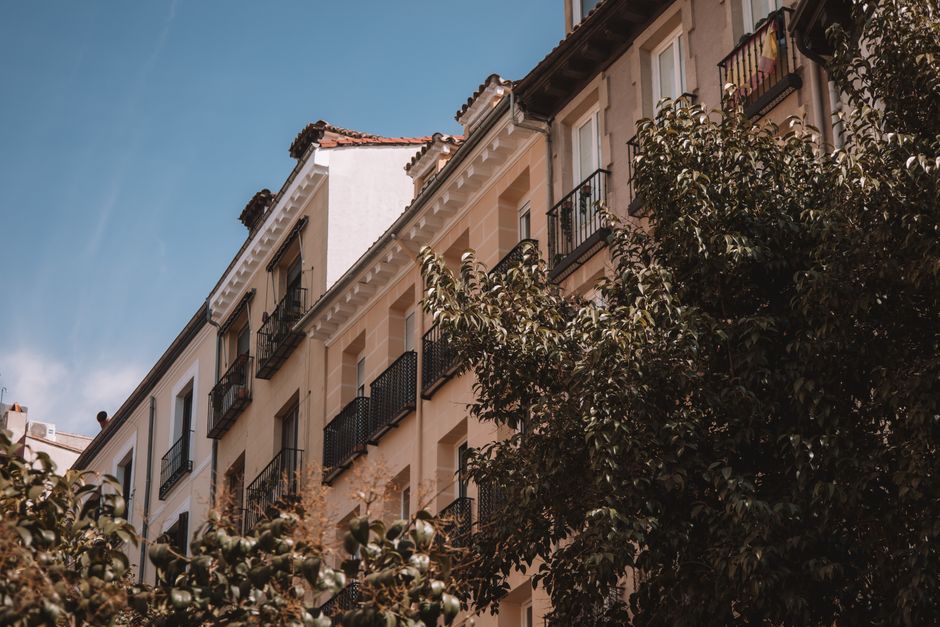
The changes, which took effect in February 2026, have introduced enhanced heritage conservation requirements across Madrid's most coveted postcodes—particularly in Salamanca, Chamberi, and the historic core around Plaza Mayor. New density restrictions now limit vertical expansion on properties dating before 1970, effectively capping redevelopment potential on many trophy assets that previous owners had earmarked for premium conversion projects.
"The market has absorbed this with a degree of pragmatism," explains the director of a leading Madrid estate agency specialising in €3 million-plus residential transactions. Price growth in Salamanca has moderated to 2.3 per cent annually, compared with 8.7 per cent in the three years prior to 2024. Chamberi, long synonymous with palatial family homes and diplomat residences, has witnessed similar correction, with several landmark properties languishing on the market longer than in previous cycles.
The shift is redirecting capital toward less-regulated neighbourhoods. Vallecas, increasingly positioned as Madrid's emerging contemporary luxury enclave, has attracted developers launching contemporary-design projects free from heritage constraints. Similarly, the Reina Sofia precinct and newly designated zones in northern Hortaleza are capturing investment from ultra-high-net-worth buyers seeking architectural flexibility and modernised infrastructures without preservation obligations.
Yet the reforms are not uniformly negative for the prestige sector. Properties positioned as architectural heritage assets—those with documented historical significance or exceptional design pedigree—have occasionally appreciated as the regulatory environment has reduced future competition from new luxury development. Several landmark properties along Calle Serrano have sold above asking price, suggesting savvy international investors recognise the scarcity premium embedded in protected assets.
The broader implication is clear: Madrid's luxury market is bifurcating. Storied neighbourhoods retain their prestige but with moderated appreciation. Meanwhile, architecturally unrestricted zones are capturing the energy and capital of developers seeking higher-density returns. For international buyers accustomed to unfettered asset appreciation, the calculus has shifted materially. The question now is whether Madrid's elite property sector will rebalance toward sustainable, policy-constrained growth, or whether capital will progressively drift toward less-regulated markets entirely.
This article was compiled by AI and screened before publishing. See our editorial standards.