property
Madrid Buyers Beat Landlords: Mortgages Cheaper Than Rent in Vallecas
Monthly mortgage repayments in Madrid's southeastern suburbs have slipped below average rents for the first time in a decade, and investors are paying attention.
How we reported this
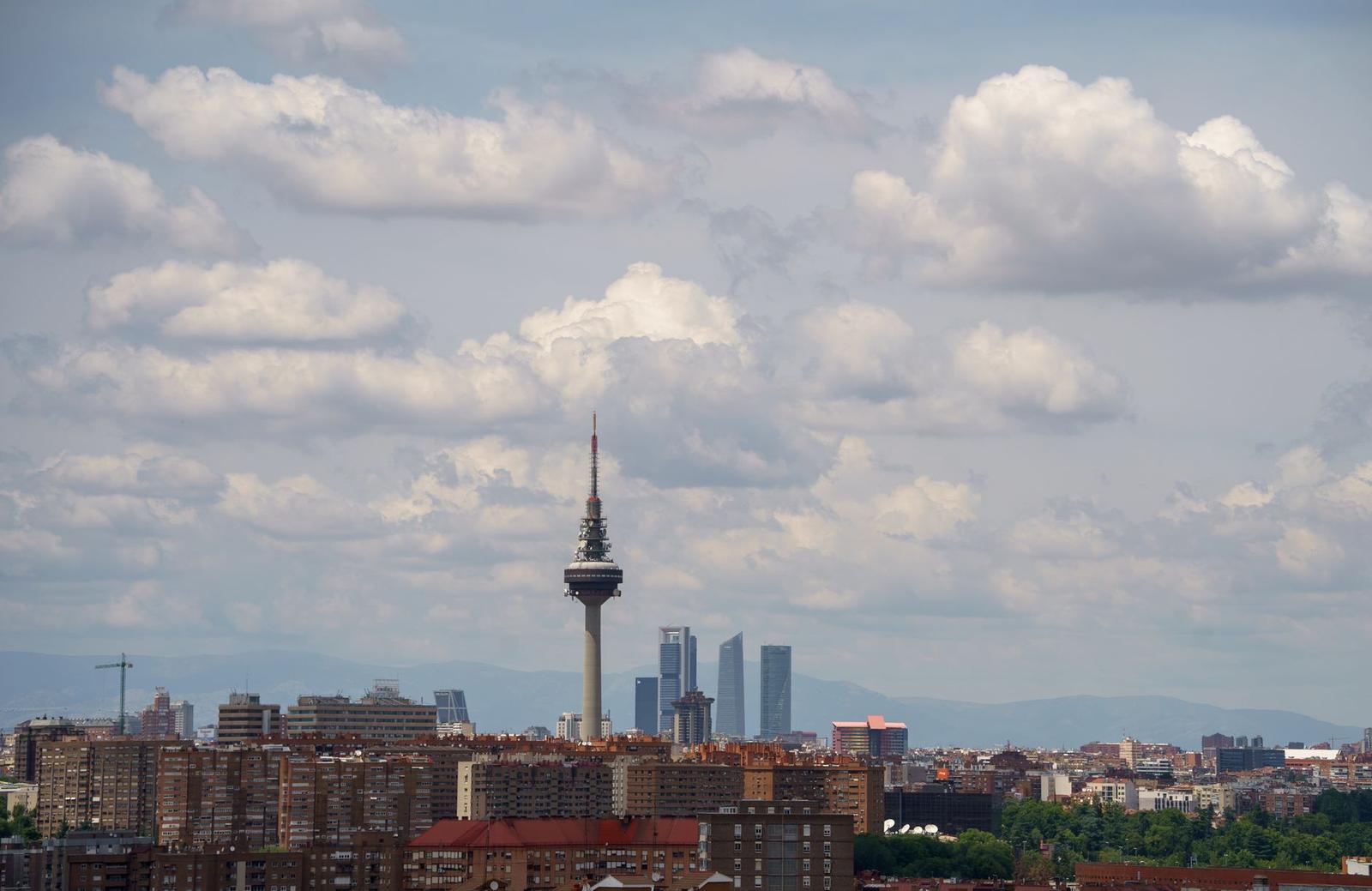
The numbers are stark. In Vallecas, specifically the Ensanche de Vallecas development corridor along the Avenida de la Democracia, buying a two-bedroom flat now costs roughly €750 per month on a 25-year mortgage at current Euribor rates, while the same apartment rents for between €850 and €950 a month. That gap, narrow as it sounds, is the signal that is pulling both first-time buyers and small landlords southeast of the M-30.
This matters because the arithmetic has run the other way almost everywhere else in Madrid for years. In Salamanca, average prices top €7,200 per square metre. Even Malasaña, which was still considered the scrappy alternative five years ago, now sits above €5,800 per square metre. At those prices, mortgage repayments crush rental income and buyer affordability alike. Vallecas and its neighbour Vicálvaro sit at €2,400 to €2,800 per square metre, roughly 40 percent below the city-wide average of €4,500 per square metre recorded in the first quarter of 2026 by the Colegio de Registradores de la Propiedad.
Why Ensanche de Vallecas and Vicálvaro Are Moving Now
Two structural shifts explain the timing. First, the Metro Línea 9 extension that linked Vicálvaro's Barrio de la Concepción stop to Nuevos Ministerios has dramatically shortened commute times, the journey to Sol now takes under 22 minutes. Second, the Madrid Nuevo Norte project's relentless absorption of speculative capital in the north has effectively redirected investor attention toward the south and east, where land costs remain low enough to generate real returns.
The Ensanche de Vallecas urban development plan, approved in phases from 2003 onwards but only substantially built out since 2019, delivered more than 12,000 new housing units to the area. That supply initially suppressed prices. Now those same units, three to seven years old, energy-efficient under Spain's 2021 building code updates, and increasingly sought after by families priced out of Retiro and Arganzuela, are appreciating. The Idealista property portal recorded a 9.2 percent year-on-year price increase in Vallecas in May 2026, the sharpest rise of any Madrid district.
Local estate agencies along the Calle de Tomateros and near the Plaza del Cura Rubio report waiting lists for properties under €220,000, a price point that has effectively vanished from Chamberí and Carabanchel alike. The Asociación de Promotores Inmobiliarios de Madrid (Asprima) flagged Vallecas and Vicálvaro in its June 2026 market bulletin as the two districts where the buy-versus-rent calculation most favoured purchase, assuming a 20 percent deposit and a 30-year mortgage at the current Euribor rate of approximately 2.8 percent.
What Buyers and Investors Should Know Before Moving
The opportunity is real but not unlimited. The buy-cheaper-than-rent window depends heavily on that 20 percent deposit, which on a €200,000 flat means finding €40,000 upfront, no small thing for the young professionals the area primarily attracts. Spain's 2023 Housing Law rent control provisions also complicate the landlord calculus in declared tensioned zones, and Madrid's city government has been under pressure to extend that designation southward from its current boundaries around Carabanchel.
Infrastructure is still catching up. The commercial strip along Gran Via de Vallecas has improved substantially, and the arrival of a Mercadona and a Leroy Merlin on the Avenida de la Albufera signals neighbourhood stabilisation. But transit links to the new Calle 30 employment zones remain patchwork, and the area lacks the cultural anchors, the markets, the theatres, the dense bar life, that made Lavapiés and Chueca trophy postcodes a generation after they were bargain ones.
Buyers who move in the next six months are likely entering ahead of the next significant price step-up. Those waiting for the neighbourhood to fully arrive will pay Malasaña prices for it.
This article is general information only and is not personal financial or investment advice. Consider your own circumstances and seek licensed professional advice before making financial decisions.