property
Build-to-Rent Developments Transform Madrid's Housing Options for Renters
As buying a flat in the capital drifts further out of reach for most working households, a new generation of purpose-built rental buildings is promising more than just a roof over your head.
How we reported this
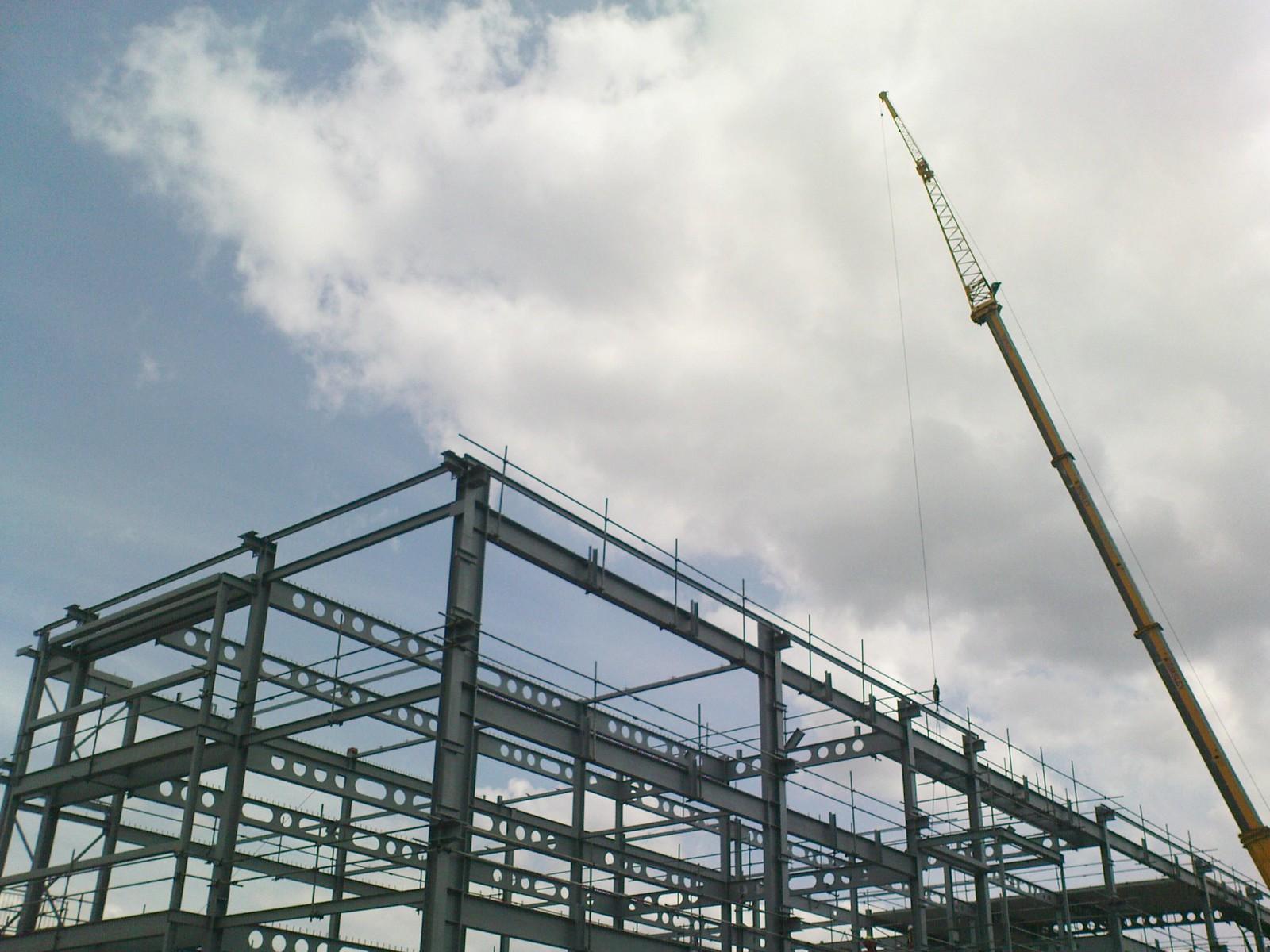
Madrid's average sale price hit roughly €4,500 per square metre this year, and in districts like Salamanca and Chamberí that figure climbs well above €6,000. For a 70-square-metre flat, not generous, but liveable, that means a purchase price north of €420,000 before taxes, notary fees, and the cost of a kitchen that isn't from 1987. The arithmetic is brutal, and it is pushing a growing slice of the city's population into long-term renting. Build-to-rent operators are reading those numbers carefully.
Three or four years ago, institutional build-to-rent, known in the Spanish market as built to rent or BTR, was barely a category in Madrid. Today it is one of the most actively discussed segments of the city's residential investment market. The shift matters because BTR is structurally different from the private rental market most Madrileños know: instead of a private landlord managing a single inherited flat in Malasaña, these are purpose-designed buildings owned and operated by a single entity, with professional management, standardised contracts, and amenities that were unthinkable in the traditional rental stock.
What Tenants Actually Get
The proposition varies by operator and location, but the clearest examples in Madrid right now cluster in two types of area: regenerated urban corridors and outer-ring growth districts. In Vallecas, where land costs are lower and the Ayuntamiento de Madrid has been promoting residential development along the Madrid Nuevo Norte and southeastern expansion zones, several BTR schemes have moved from planning permission to construction since 2023. Further north, the Valdebebas district, adjacent to Madrid Barajas airport and the IFEMA convention centre, has attracted operators drawn by its relatively modern infrastructure and its large pool of mobile, professionally employed renters who work in tech, logistics, and hospitality.
Typical BTR buildings in these zones offer furnished or part-furnished units, in-building gyms, co-working lounges, bicycle storage, and, critically, professional 24-hour management via an app rather than a landlord who takes three days to answer a WhatsApp about a broken boiler. Contracts tend to run for a minimum of one year with renewal options structured under Spain's Ley de Arrendamientos Urbanos, the national tenancy law last significantly amended in 2023. That law extended the standard minimum contract duration for large landlords, defined as owning more than ten units, to seven years, a provision that BTR operators have had to factor into their yield calculations.
The Price Gap, and Whether BTR Closes It
Here is where the honest answer gets complicated. BTR rents in Madrid are not cheap. Asking prices in Valdebebas and the northern expansion areas for a new-build, managed, one-bedroom BTR unit typically run between €1,100 and €1,400 per month as of mid-2026, according to listings on Idealista and Fotocasa. That is above the median rent across the city as a whole, which the Banco de España has tracked as rising sharply since 2021 on the back of constrained supply and strong internal migration from other Spanish provinces.
The honest comparison, though, is not BTR against the median rent for an older flat in Carabanchel. It is BTR against the cost of buying. A household needing a €350,000 mortgage at current Euribor-linked rates, the 12-month Euribor was hovering around 2.3 percent in early July 2026, faces a monthly payment that, with a standard 30-year term and an 80 percent loan-to-value ratio, lands somewhere between €1,200 and €1,400 before maintenance, community fees, or IBI property tax. Suddenly the BTR rent looks less punishing, especially when the tenant carries none of the ownership risk and retains geographic flexibility.
For renters weighing their options right now, the practical advice is specific: compare total monthly cost of ownership, not just the mortgage, against the all-in BTR rent, which typically bundles building management and some utilities. Visit the Comunidad de Madrid's housing portal, which lists registered large-landlord developments and can confirm whether a building falls under the 2023 LAU protections. And if you are being offered a BTR contract in a newly declared zona de mercado residencial tensionado, a rent-pressured zone, a designation Madrid's municipal government has been pushing to activate, check whether the asking rent complies with the applicable reference index before signing.
This article is general information only and is not personal financial or investment advice. Consider your own circumstances and seek licensed professional advice before making financial decisions.