Club Deportivo Canoe, the storied water sports institution anchored in the Casa de Campo district, is experiencing an unprecedented surge in prominence as both its men's and women's water polo squads qualify for the LEN Champions League—marking the first time in the club's 47-year history that both teams will compete at Europe's highest aquatic level simultaneously.
The parallel rise of Madrid's synchronized swimming contingent, trained at the Real Federación Española de Natación facilities near the Manzanares riverside, has transformed the city into a genuine powerhouse in disciplines long dominated by traditional Mediterranean strongholds. Membership applications at CD Canoe surged 34% year-over-year, according to club administration, with waiting lists now extending through September 2026.
"What we're witnessing is the professionalization of water sports in Madrid," explained the director of aquatic programming at the municipal sports authority during a recent briefing at the Piscina Municipal de Vallecas. "Ten years ago, serious swimmers migrated to Barcelona or the coast. Today, they're staying here."
The club's headquarters, positioned strategically between the Lago del Retiro and the Casa de Campo's extensive water infrastructure, has become ground zero for Madrid's aquatic ambitions. Recent €2.3 million investment in facility upgrades—including Olympic-standard diving platforms and enhanced training pools—signals confidence from regional sports authorities and private sponsors keen to capitalize on the city's emerging reputation.
The water polo team's upcoming Champions League campaign against titans like Olympiacos and Ferencváros begins in September, with home matches scheduled at the refurbished Polideportivo Miguel Ángel Blume in Moncloa-Aravaca. Ticket demand has already triggered early-bird pricing of €18 per match for season passholders, compared to €25 for casual spectators.
Synchronized swimming's growth proves equally remarkable. The Spanish national team's recent artistic swimming demonstrations at the Piscina Municipal de La Latina drew over 800 spectators—triple attendance figures from 2024—signaling genuine public appetite for these technically demanding disciplines.
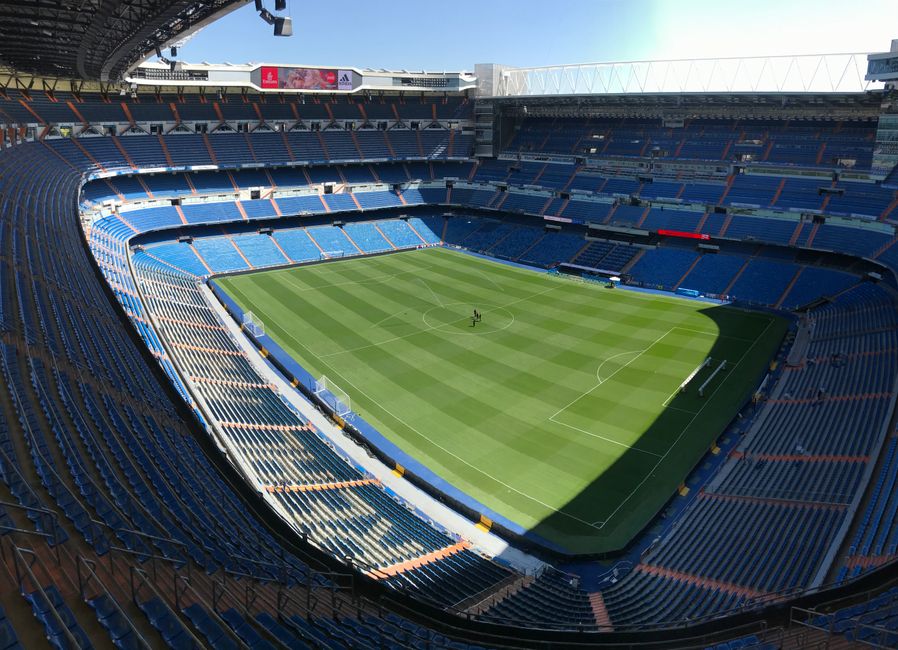
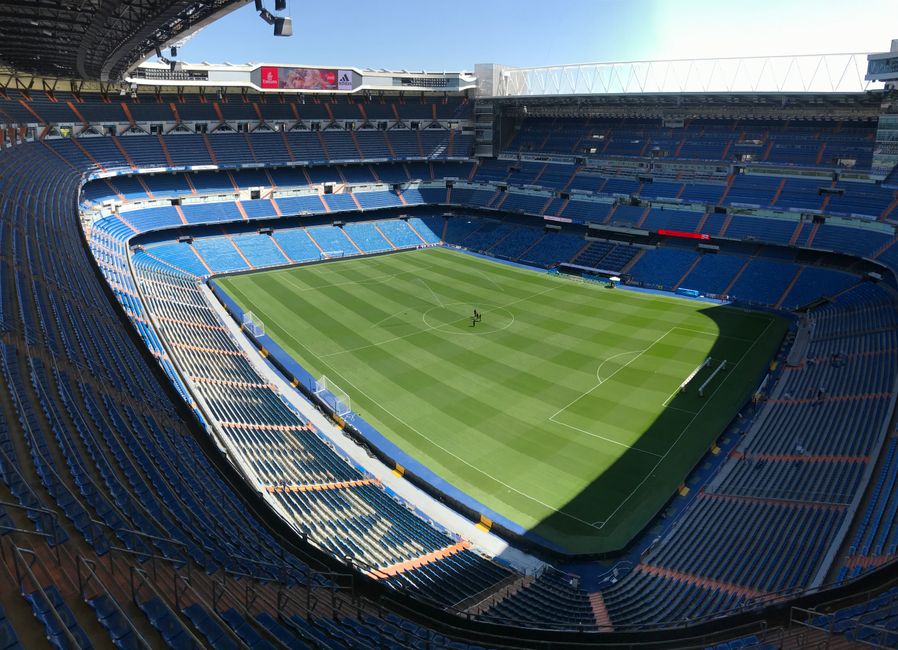
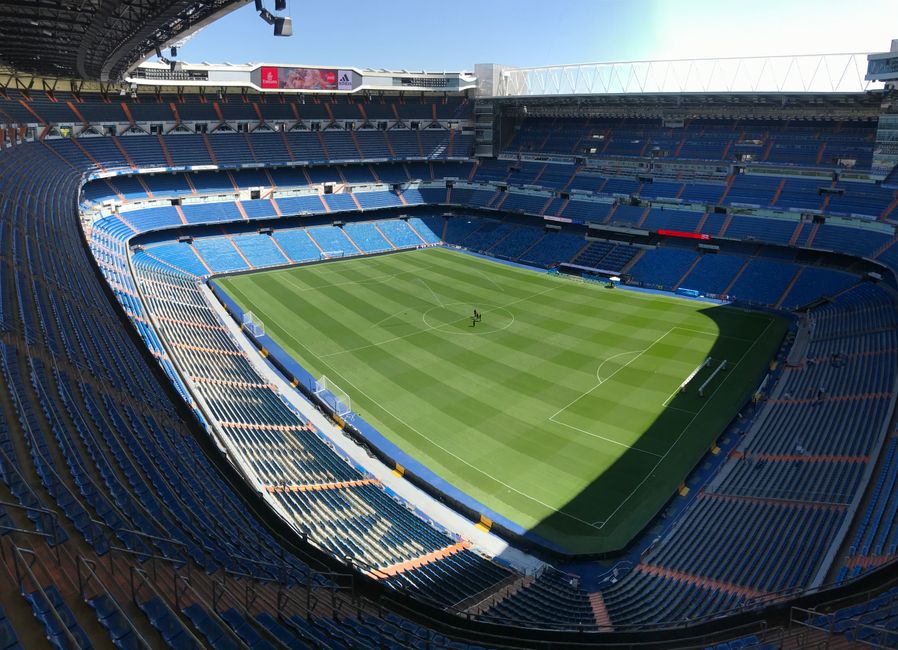
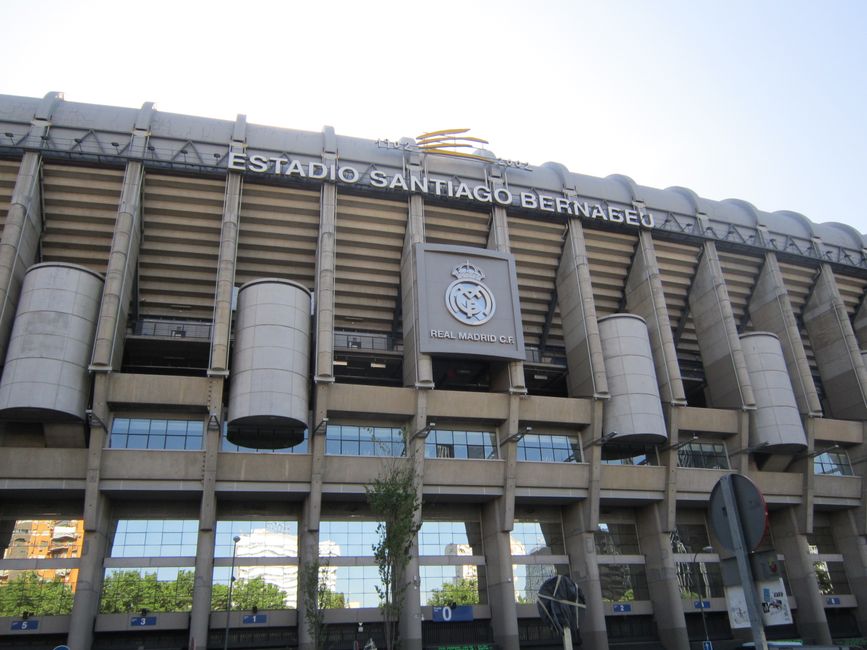
For Madrid's sports establishment, the convergence of institutional investment, youthful talent pipelines, and European-level competition suggests the capital is finally asserting itself as more than a football metropolis. Water sports, historically overshadowed by Real and Atlético's dominance, have carved genuine space in the city's athletic identity.
CD Canoe's administrative leadership has hinted at expansion plans toward the Zona Verde del Manzanares for additional training facilities, contingent on European campaign performance. In Madrid's competitive sports landscape, aquatic ambitions are no longer peripheral considerations—they're becoming central to how the city sees itself.
This article was compiled by AI from the sources linked above and screened before publishing. See our editorial standards.