Madrid's Remote Work Shift: What Job Seekers and Professionals Must Know Right Now
As coworking spaces proliferate across the capital and hybrid work reshapes hiring expectations, here's how to navigate the changing landscape.
As coworking spaces proliferate across the capital and hybrid work reshapes hiring expectations, here's how to navigate the changing landscape.
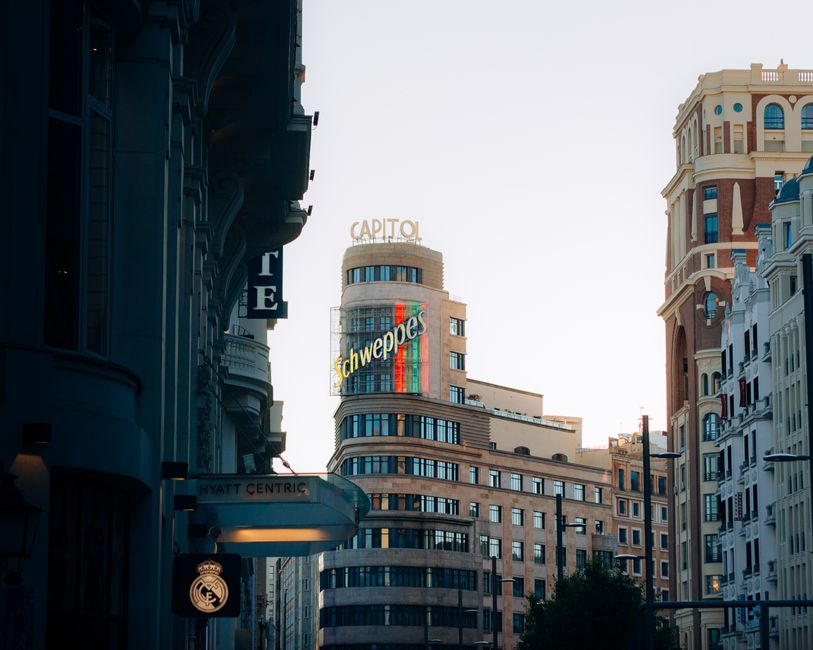
Madrid's professional landscape is undergoing a seismic shift. After three years of post-pandemic stabilisation, the city's approach to remote work and coworking has crystallised into something far more sophisticated than the early work-from-home scramble of 2020. For job seekers and professionals reassessing their careers, understanding these changes is now essential.
The numbers tell the story. Coworking operators across Madrid report occupancy rates hovering around 75-80%, up from 60% in 2024, according to data from the Spanish Coworking Association. Neighbourhoods like Malasaña and Chamberí—traditionally residential areas—now host dozens of coworking facilities. WeWork's presence on Paseo de la Castellana remains substantial, but smaller operators have carved out niches offering everything from soundproof pods to specialised industry hubs. Day passes at mid-range facilities typically run €18-25, monthly memberships between €250-450.
But here's what matters for your career: employers are no longer indifferent about where you work. A significant shift has occurred. Companies increasingly distinguish between roles that are genuinely remote-friendly and those expecting occasional office presence. The trend isn't towards complete flexibility—it's towards deliberate hybrid structures. Madrid-based tech firms and multinational offices are explicitly building team cohesion days into contracts, typically requiring two to three office days monthly.
Job seekers need to read position descriptions carefully. Language matters. "Remote-first" means something different from "flexible location." Positions advertised as remote-first often come with lower salaries (typically 8-15% below office-based equivalents), but offer genuine location independence. Those demanding hybrid arrangements sometimes offer slightly premium compensation to offset commute costs and coordination complexity.
Certification and visibility have become competitive advantages. Professionals showcasing remote-work competencies—time management, asynchronous communication, self-motivation—are increasingly valued. Several Madrid-based organisations, including ESADE and IE University's executive education divisions, now offer microCredentials in remote collaboration and distributed team management.
Infrastructure matters too. Madrid's digital divide is real. While fibre coverage exceeds 85% across central districts, outlying areas like Villaverde still lag. Professionals considering genuine remote work should verify broadband reliability before committing to positions requiring reliable video presence.
The emerging consensus among Madrid's professional community is this: remote work is no longer revolutionary—it's infrastructure. What distinguishes competitive candidates isn't whether they can work remotely, but whether they understand the nuanced trade-offs between flexibility, salary, team dynamics, and career progression. Smart job seekers are asking employers detailed questions about collaboration expectations, mentorship access, and promotion pathways before accepting roles.
Madrid's future of work won't be uniformly remote or office-based. It'll be strategically hybrid, precisely defined, and increasingly tied to your ability to articulate what arrangement serves your career best.
This article was compiled by AI from the sources linked above and screened before publishing. See our editorial standards.
How does this story make you feel?
Spread the word
About this article
Published by The Daily Madrid
Daily brief
Free, in your inbox before 7am. Weekdays.
More in tech