Technology
Madrid Pursues Green Energy While Grappling With Hidden Environmental Costs
As the city pushes ambitious sustainability targets, experts warn that solar panels, battery factories, and electric infrastructure come with their own environmental and social price tags.
How we reported this
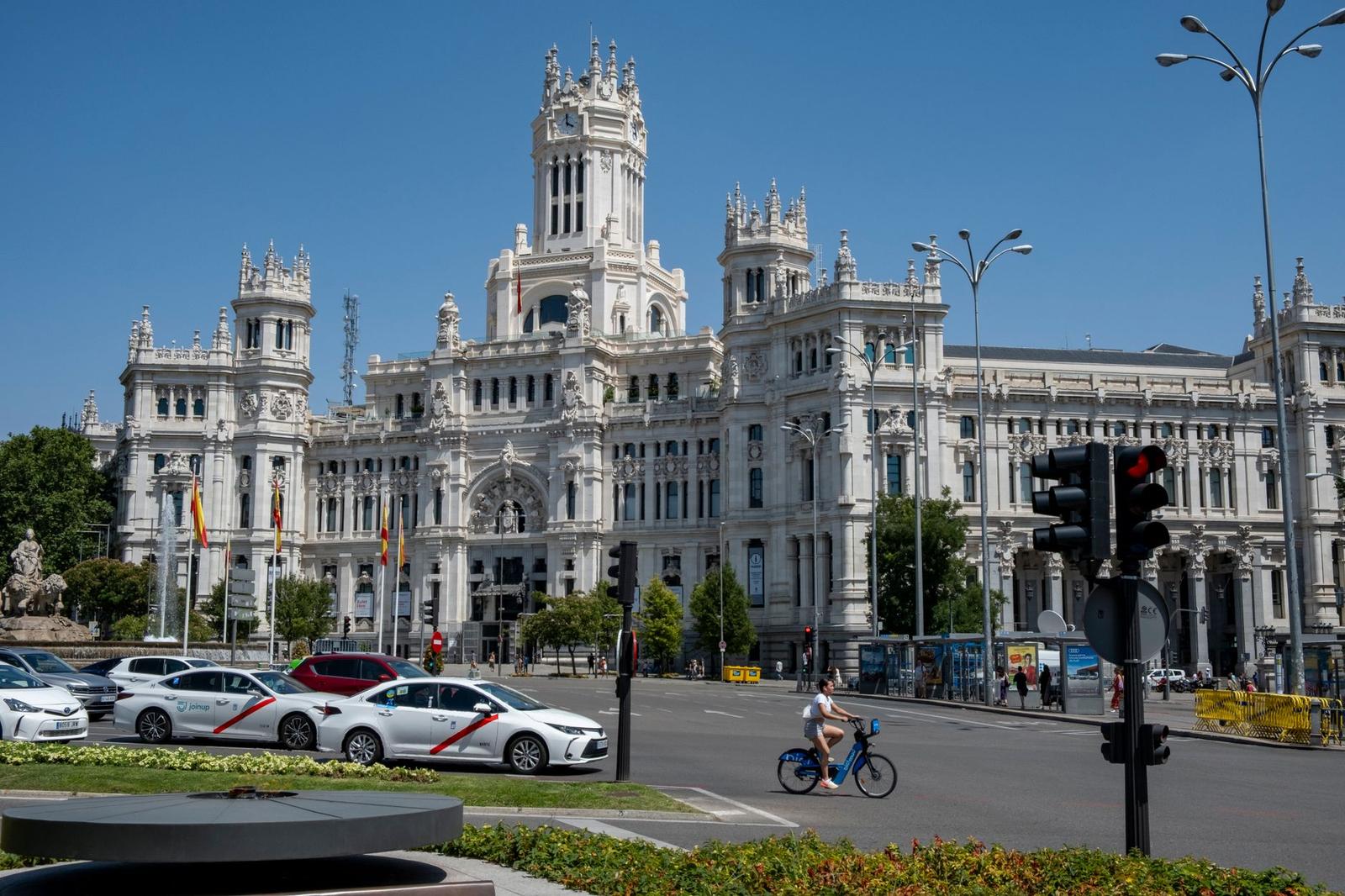
Madrid's transformation into Europe's green technology hub is undeniable. Solar installations across the Retiro district have doubled in three years, while venture capital flowing into cleantech startups in the Cuatro Torres business area has reached €240 million annually. Yet beneath the optimistic headlines about carbon neutrality by 2050, a more complicated story is emerging-one that challenges the city's clean energy narrative.
The problem begins with minerals. Spain's push to manufacture lithium-ion batteries has sparked a surge in mining permits across Extremadura and Castilla-La Mancha, regions that feed Madrid's supply chains. Environmental groups have raised alarms about aquifer depletion in already water-stressed areas, a concern that hits differently in a city that experienced severe drought conditions just two years ago. The water footprint of battery production-often cited as 500,000 gallons per ton-remains largely invisible to Madrid's tech community celebrating their "net-zero" credentials.
Then there's the question of labour standards. Several cleantech manufacturing facilities operating in industrial parks near Torrejón de Ardoz have faced investigations into working conditions, with reports of wage violations and excessive overtime. The irony is sharp: workers assembling the components of Madrid's sustainability revolution often lack the protections that environmental regulations guarantee to nature.
At the Museo Reina Sofía's recent sustainability conference, industry speakers emphasised the circular economy and recycling-but recycling rates for solar panels remain below 15% globally. Spain has no mandatory take-back scheme yet. By 2030, experts predict over 50,000 tonnes of panel waste annually in the Iberian peninsula alone, much of it destined for landfills or shipped to countries with minimal environmental oversight.
The energy transition also carries geopolitical baggage. Madrid's grid increasingly depends on rare earth minerals from politically unstable regions, replicating the old oil-dependency model in green clothing. And while the city celebrates its renewable capacity, the question of who benefits remains contentious. Rooftop solar subsidies have primarily reached affluent neighbourhoods like Chamberí and Salamanca, while working-class districts like Villaverde lag behind, deepening energy inequality.
These aren't arguments against green technology-they're reminders that sustainability cannot be genuinely achieved through selective vision. Madrid's tech leaders are beginning to acknowledge this tension, but slowly. Real progress requires confronting uncomfortable truths: that going green involves trade-offs, that some costs are simply displaced rather than eliminated, and that true sustainability demands looking beyond quarterly revenue projections.