Madrid's Green Tech Pipeline: What's Coming Next in Spain's Sustainability Race
From hydrogen storage to AI-powered grid systems, the capital's innovation hubs are racing to deploy the next generation of clean energy breakthroughs by 2028.
From hydrogen storage to AI-powered grid systems, the capital's innovation hubs are racing to deploy the next generation of clean energy breakthroughs by 2028.
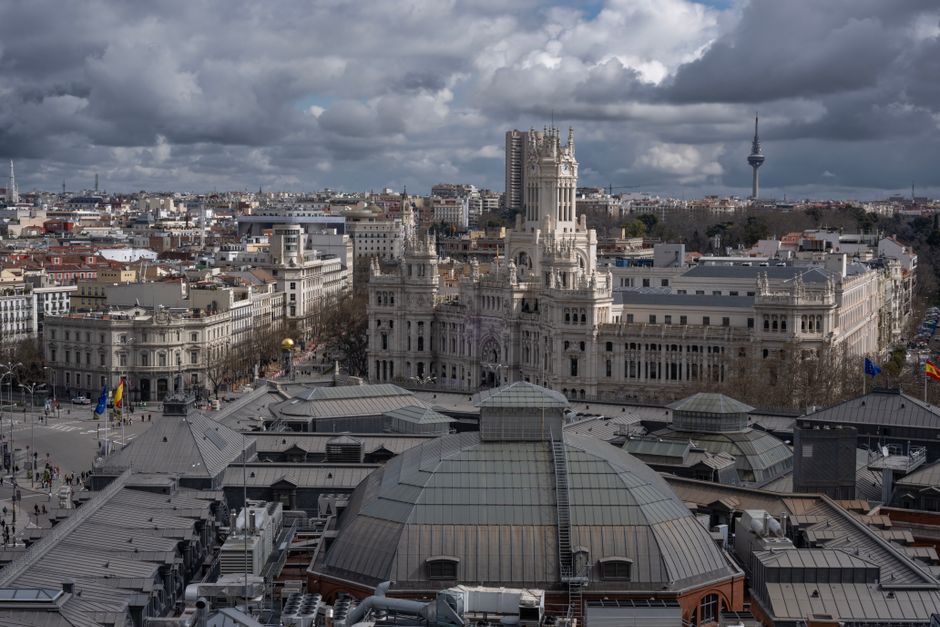
Madrid's tech corridor is shifting into overdrive on clean energy. While headlines focus on global crises, the Spanish capital is quietly becoming a testing ground for sustainability technologies that promise to reshape how Europe powers itself—and what startups are banking on is nothing short of ambitious.
The numbers tell the story. Madrid's tech sector logged €2.8 billion in venture funding last year, with roughly 18% directed toward green tech—nearly double the 2024 figure. Companies clustered around the Distrito Telefónica innovation zone and the Nave 16 startup accelerator in Leganés are engineering solutions that won't hit mainstream deployment for another two to three years, but the roadmap is clear: hydrogen, intelligent grids, and next-gen battery systems.
The most concrete development is hydrogen storage. Several Madrid-based firms are engineering compressed hydrogen systems designed to stabilize Spain's renewable grid—critical infrastructure when solar and wind production fluctuates. These aren't prototype setups anymore; pilot installations on the outskirts of the city near the A-3 corridor are moving toward commercial viability by late 2027. Industry insiders suggest Spain could see its first utility-scale hydrogen facility operational by 2028.
Battery technology research centers at Universidad Politécnica de Madrid are pushing solid-state alternatives—lighter, denser, longer-lasting than current lithium-ion models. Lab results show 40% improved energy density. Commercial vehicles using these batteries could appear on Madrid's streets within 36 months, though costs remain steep at present.
Perhaps most transformative is AI-driven demand forecasting for Spain's electricity network. Researchers in the Chamberí district have developed algorithms that predict consumption patterns hours ahead with 94% accuracy, allowing grid operators to balance renewable sources more efficiently. Iberdrola and REE (Red Eléctrica de España) are running beta tests, with full rollout expected across the national grid by 2028.
The city's sustainability ambitions are equally muscular on policy. Madrid aims to run 80% of municipal operations on renewable energy by 2030—a target requiring infrastructure investments that, officials say, will unlock new startup opportunities worth an estimated €1.2 billion in contracts.
The challenge is runway. Scaling from lab to deployment requires patient capital and regulatory clarity. Spain's new green tech licensing framework—finalized in March—has unblocked permitting bottlenecks that plagued previous ventures. That machinery is now turning.
For Madrid's innovation community, the message is unambiguous: the next three years define whether Europe's green tech future is made in Berlin, Stockholm, or here. The products and systems being engineered now will power the continent's 2030s. That's why everyone is watching what emerges from those labs along Paseo de la Castellana.
This article was compiled by AI from the sources linked above and screened before publishing. See our editorial standards.
How does this story make you feel?
Spread the word
About this article
Published by The Daily Madrid
Daily brief
Free, in your inbox before 7am. Weekdays.
More in tech