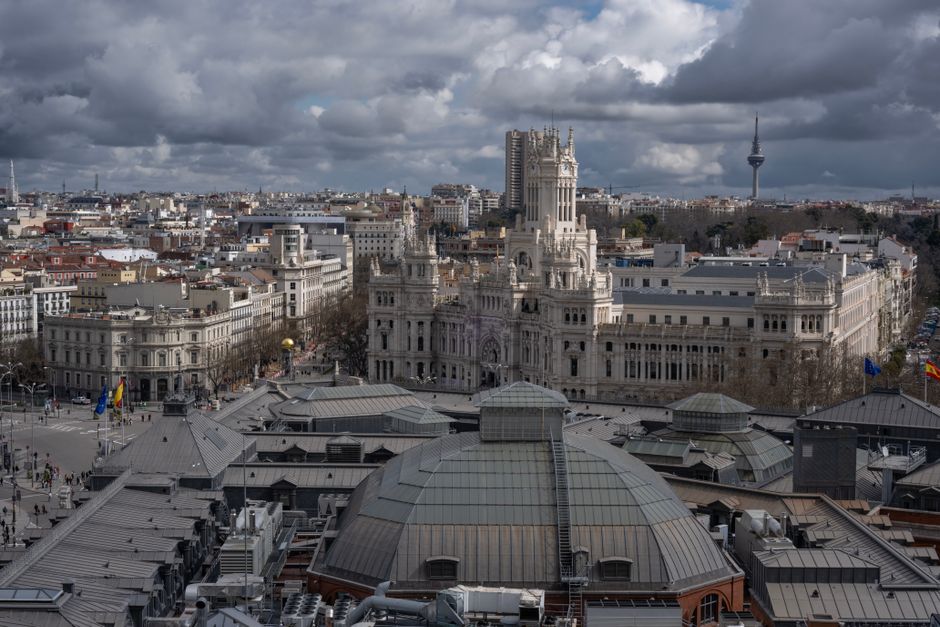
Madrid's technology ecosystem has quietly developed a distinctive character that sets it apart from other European innovation hubs. Unlike Berlin's counterculture ethos or London's financial dominance, Spain's capital has cultivated something more elusive: a pragmatic blend of European regulatory maturity and the entrepreneurial hunger typically associated with emerging markets.
The transformation is visible in the streets themselves. The Salamanca district, traditionally Madrid's upscale residential neighbourhood, has become home to corporate innovation labs. Meanwhile, Chamberí has emerged as the unofficial tech quarter, with co-working spaces and startup offices replacing bookshops along Calle Fuencarral. This geographical decentralization reflects a broader philosophy—innovation here isn't confined to a single postcode.
What makes Madrid distinctive, however, extends beyond real estate dynamics. The city has become a unique testing ground for companies seeking European expansion without losing their global ambitions. Unlike Silicon Valley clones that dot other capitals, Madrid's strength lies in its strategic position as both a European entry point and a gateway to Latin America. With Spain's deep linguistic and cultural ties to the region, Madrid-based tech companies naturally develop bilingual, bicultural products that scale differently than their peers.
The numbers reflect this trajectory. Madrid's tech sector attracted €2.1 billion in venture capital during 2025, according to regional investment tracking data, with a notable surge in Series B and C funding rounds. This represents maturation rather than mere hype—companies are staying longer and growing bigger before seeking international acquisitions.
Public institutions have recognized this advantage. IFEMA Madrid, the city's convention centre, now hosts Europe's largest tech transfer forum, drawing researchers and entrepreneurs from across the continent. The Universitat Autònoma de Madrid and Universidad Carlos III have strengthened their entrepreneurship programmes, creating pipelines that funnel talent directly into local startups.
Perhaps most distinctively, Madrid's tech community maintains what observers describe as a Mediterranean work philosophy—ambitious without being ruthless, innovative without abandoning established business practices. The city's café culture, centred around squares like Plaza Mayor and newer tech hubs like Wayco in the Arganzuela neighbourhood, facilitates the kind of informal networking that builds sustainable ecosystems rather than speculative bubbles.
As global tech investment becomes increasingly cautious, Madrid's combination of regulatory predictability, talent accessibility, and Latin American reach positions it as a quiet contender in Europe's innovation hierarchy—not through disruption, but through smart positioning.
This article was compiled by AI from the sources linked above and screened before publishing. See our editorial standards.