Madrid's Digital Revolution: How Smart City Tech Is Reshaping Daily Life for Residents
From commute times to energy bills, algorithmic infrastructure is quietly transforming how half a million madrileños navigate their neighbourhoods.
From commute times to energy bills, algorithmic infrastructure is quietly transforming how half a million madrileños navigate their neighbourhoods.
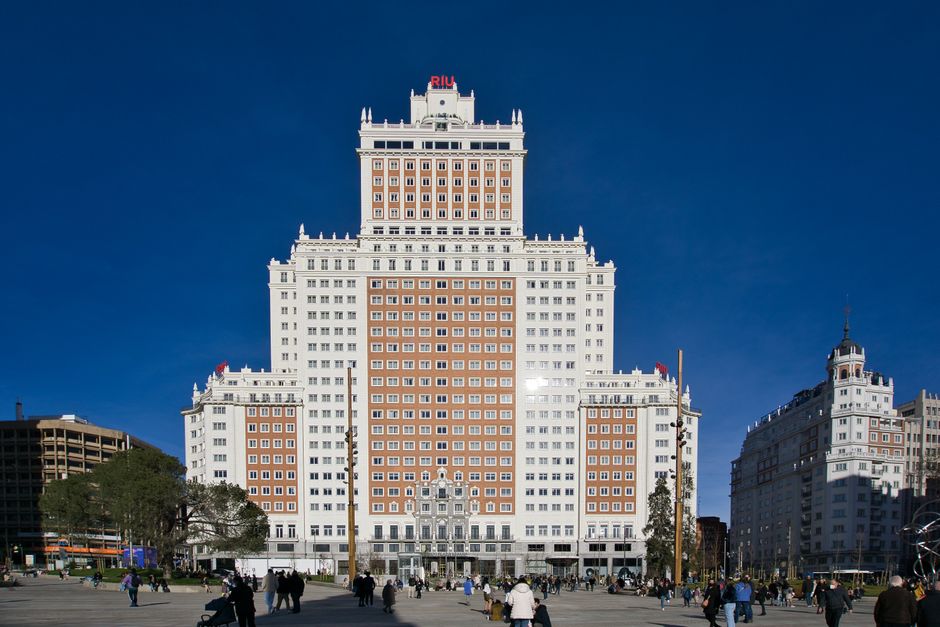
Walk down Paseo del Prado on a Tuesday morning and you'll notice something unremarkable: traffic flows smoothly, pedestrian crossings anticipate foot traffic, and the air quality monitor near the Reina Sofía museum displays real-time pollution data. This is Madrid's smart city infrastructure at work—a transformation accelerating far faster than most residents realise.
Since 2023, the city has deployed over 2,800 IoT sensors across neighbourhoods like Malasaña, Chamberí, and Arganzuela, collecting data on everything from water leakage to noise pollution. The results are tangible. Metro commute times have improved by 8-12 percent through predictive maintenance systems, while residents in Salamanca have seen heating costs drop an average of €180 annually through algorithmic building management.
"Smart city infrastructure isn't about surveillance—it's about efficiency," explains the ethos behind Madrid's €340 million digital transformation programme, funded partly by EU recovery grants. The city's traffic light network now adjusts timing in real-time based on vehicle density, particularly critical around bottlenecks near Plaza Mayor and the Pío XII junction in Chamberí.
For residents, the most immediate impact comes through the City Council's mobile app, now tracking 47 municipal services from rubbish collection schedules to water metre readings. In Usera, where 22 percent of the population is over 65, smart healthcare alerts integrated with primary care centres have reduced emergency room visits by 6 percent since launch last year.
Yet the rollout hasn't been frictionless. Privacy advocates have questioned data collection policies, particularly concerning movement tracking in dense residential areas. The city's Data Protection Officer released a compliance report in March addressing citizen concerns, emphasising anonymisation protocols.
Neighbourhoods are experiencing uneven adoption. While central districts like Retiro and Centro boast comprehensive sensor networks, peripheral zones like Villaverde are still awaiting infrastructure upgrades scheduled for 2027. This disparity has sparked debate about digital equity—whether smart city benefits will genuinely serve all madrileños or primarily advantage affluent districts.
Looking ahead, the city plans to integrate renewable energy monitoring and expand autonomous waste collection in Tetuán and Barajas by 2028. The ambition is clear: position Madrid as Europe's model for urban digital governance.
For now, residents are experiencing the early fruits of this transformation—shorter commutes, lower bills, better emergency response. Whether the promise of truly inclusive smart urbanism materialises remains the city's next challenge.
This article was compiled by AI from the sources linked above and screened before publishing. See our editorial standards.
How does this story make you feel?
Spread the word
About this article
Published by The Daily Madrid
Daily brief
Free, in your inbox before 7am. Weekdays.
More in tech