Madrid's Startup Gold Rush: Why Venture Capital's Promise Masks Troubling Questions
As the city cements itself as Europe's emerging tech hub, founders and investors grapple with funding's darker implications.
As the city cements itself as Europe's emerging tech hub, founders and investors grapple with funding's darker implications.
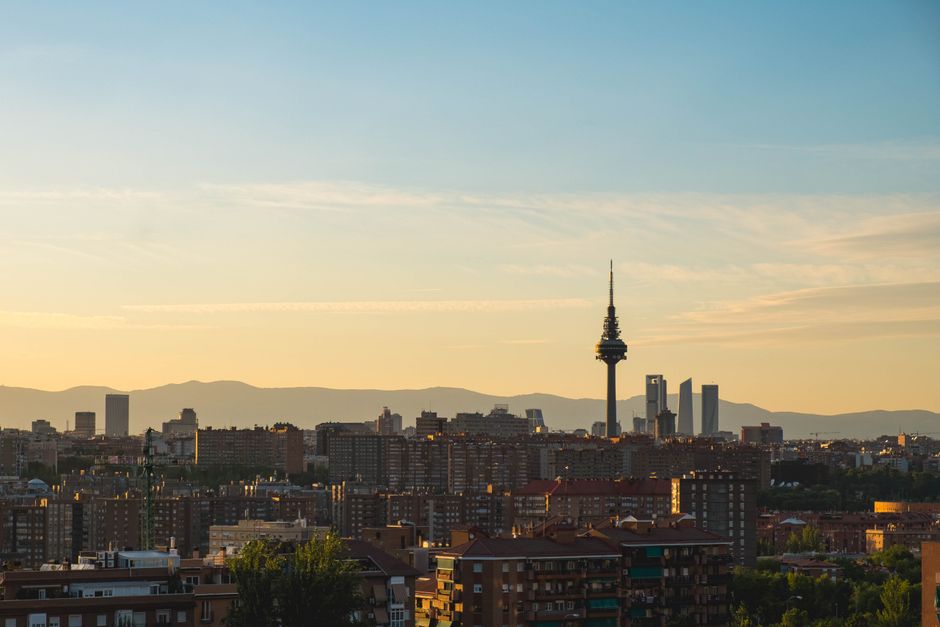
Walk through the renovated warehouses of Malasaña or the gleaming office parks sprouting near Chamartín station, and you'll witness Madrid's transformation into Spain's undisputed tech capital. The numbers are intoxicating: venture capital investment in Spanish startups reached €2.8 billion in 2025, with Madrid capturing roughly 60% of that flow. Yet beneath this glittering surface lies a more complicated reality that few in the city's booming ecosystem are willing to examine closely.
The promise is real. Entrepreneurs in Madrid now have access to capital their counterparts lacked a decade ago. Incubators like those clustered around Avenida de América and in the refurbished districts near Reina Sofía museum have become genuinely world-class. The influx has transformed neighbourhoods, attracted international talent, and positioned Madrid alongside Berlin and Barcelona as a serious European tech destination.
But success comes with uncomfortable questions. First, there's the concentration problem. Venture funding overwhelmingly favours founders with existing networks and educational pedigree—typically male, often from wealthy Madrid families or those with connections to IE University and ESADE. Women founders in Spain receive just 12% of venture investment, a gap that remains stubbornly wide despite repeated pledges from the VC community. Founders from working-class neighbourhoods like Vallecas or immigrant backgrounds face institutional invisibility.
Then there's the sustainability paradox. The venture model demands hyper-growth, unit economics be damned. This creates perverse incentives: startups burning through capital to capture market share, prioritising growth metrics over worker protections or environmental impact. Several high-profile Madrid-based startups have faced labour disputes precisely because the pressure to scale supersedes concerns about fair compensation or working conditions.
The gentrification effect is undeniable too. Real estate prices in traditionally affordable neighbourhoods like Lavapiés and Malasaña have soared as venture-backed companies and wealthy founders establish hubs there. Long-term residents are being priced out—an irony lost on few.
Finally, there's the question of what gets funded. Madrid's VC community tends toward safe bets: fintech, logistics, SaaS for enterprise clients. Ambitious solutions to social problems—affordable housing tech, healthcare access, climate adaptation—struggle to attract serious capital. The market, left to its own devices, doesn't prioritise society's hardest problems.
Madrid's startup ecosystem isn't broken. But pretending it's a purely positive force would be naive. Real progress requires builders willing to interrogate not just whether their venture will scale, but whether it should—and who benefits when it does.
This article was compiled by AI from the sources linked above and screened before publishing. See our editorial standards.
How does this story make you feel?
Spread the word
About this article
Published by The Daily Madrid
Daily brief
Free, in your inbox before 7am. Weekdays.
More in tech