Why Madrid's Remote Work Culture is Redefining Europe's Tech Hubs
As coworking spaces flourish across the Spanish capital, the city's unique blend of affordability, lifestyle and talent is challenging Silicon Valley's global dominance.
As coworking spaces flourish across the Spanish capital, the city's unique blend of affordability, lifestyle and talent is challenging Silicon Valley's global dominance.
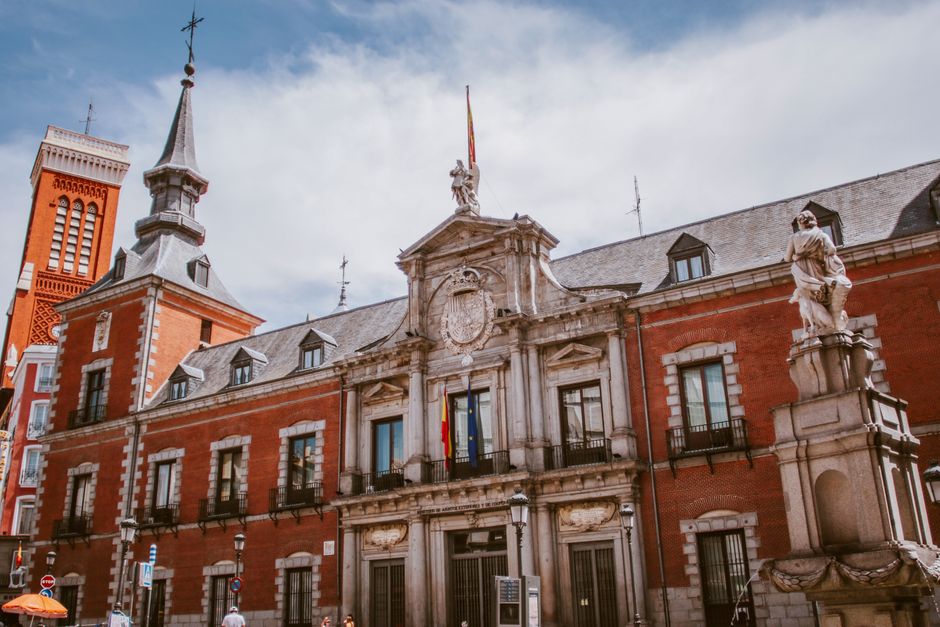
Madrid has quietly become one of Europe's most compelling destinations for distributed tech talent, and it's not by accident. While London and Berlin battle rising costs and burnout, the Spanish capital is carving a distinctive niche by combining three elements rarely found together: world-class infrastructure, Mediterranean work-life balance, and rents that won't drain a startup's runway.
The numbers tell the story. Coworking spaces in Madrid's tech heartland—clustered around Malasaña, Chueca, and increasingly along the Paseo de la Castellana corridor—charge €250–€400 monthly for dedicated desks, roughly half what you'd pay in London. This cost advantage has attracted a particular type of knowledge worker: experienced professionals from across Europe and Latin America who want serious technical work without the financial pressure cooker of traditional startup hubs.
What distinguishes Madrid's ecosystem isn't just affordability, however. The city's tech community has deliberately cultivated a different rhythm. Unlike the always-on culture of San Francisco or the hyper-networked intensity of Berlin's Kreuzberg scene, Madrid's remote work culture privileges what locals call "sostenibilidad laboral"—sustainable work practices. Major coworking operators here—including spaces like MOB and Selina's Madrid locations—have built communities that close by 8 p.m., with evening programming focused on cultural events, language exchange, and informal mentorship rather than late-night pitch competitions.
The city's Latin American connections amplify this further. Madrid hosts roughly 2 million immigrants, with Spanish-speaking communities representing nearly 400,000 residents. For tech companies expanding into LATAM markets, this creates an unexpected advantage: cultural and linguistic proximity without relocating to Mexico City or Buenos Aires. Several venture firms have quietly established Madrid outposts specifically to tap this bridge.
Spain's digital nomad visa—introduced in 2023 and refined by 2026—has also accelerated the trend. The visa's €2,000 monthly income requirement aligns perfectly with Madrid's cost structure, attracting established remote workers and micro-entrepreneurs who want stable, tax-compliant bases rather than perpetual travel.
Perhaps most distinctive is how Madrid's tech community has resisted the winner-take-all mentality of older hubs. The city's coworking culture emphasizes horizontal networking. Initiatives like Madrid's growing Web3 clusters in Salamanca and the AI research partnerships with Universidad Autónoma suggest a tech ecosystem that's building sector diversity rather than chasing a single "next big thing."
For now, Madrid remains undervalued by global tech press obsessed with traditional power centers. But as remote work fragments talent globally, that underscore may prove to be its greatest asset.
This article was compiled by AI from the sources linked above and screened before publishing. See our editorial standards.
How does this story make you feel?
Spread the word
About this article
Published by The Daily Madrid
Daily brief
Free, in your inbox before 7am. Weekdays.
More in tech