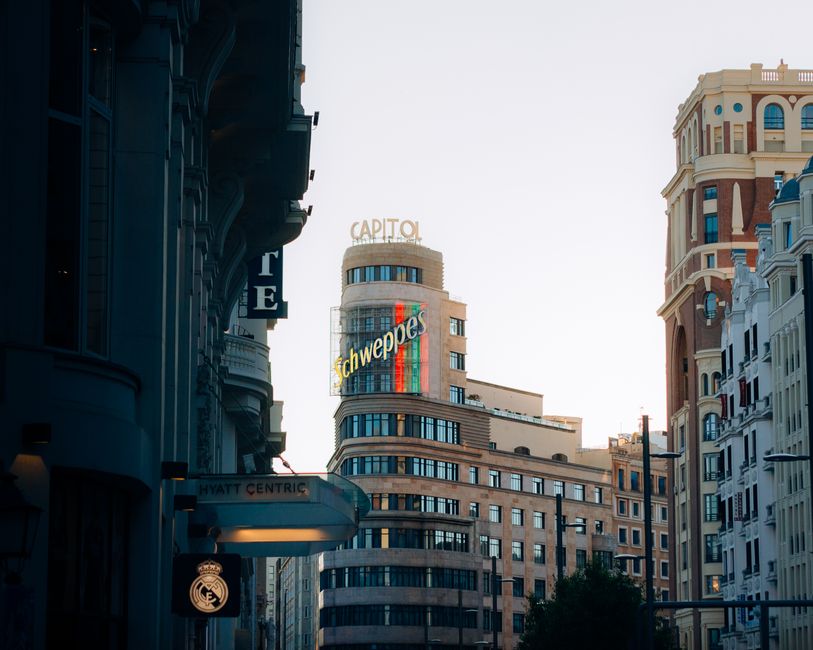
Walk down Calle Ponzano in Chamberí on any weekday morning and you'll spot them: sleek glass-fronted coworking hubs with names like Spaces, WeWork, and a dozen local competitors. Madrid's remote work ecosystem has exploded. Yet beneath the polished veneer of hot-desking flexibility and espresso-fuelled productivity, a more complicated picture emerges—one where innovation meets ethical landmines few are discussing openly.
The numbers tell a seductive story. Madrid now hosts over 120 coworking spaces, up from fewer than 30 five years ago, according to the Spanish Coworking Association. Monthly memberships range from €150 to €400 depending on location and amenities. For knowledge workers tired of commuting to Paseo de la Castellana office towers, the promise is genuine: autonomy, community, flexibility. The city's tech sector has embraced it enthusiastically.
But the risks lurking in this transformation deserve urgent scrutiny. Employee surveillance has quietly become standard practice. Many platforms track keystroke frequency, screen time, and even mouse movement—data ostensibly for "productivity analytics." Workers, especially those on precarious freelance contracts, face constant monitoring with minimal transparency about data retention or algorithmic decision-making that might affect their employment prospects.
Then there's the elephant in Madrid's startup neighbourhoods: who benefits, and who's left behind? Premium coworking in Malasaña's converted warehouses attracts well-funded founders and established remote workers. Meanwhile, precariat workers—couriers, gig economy participants, contract staff—cannot afford memberships. They're excluded from the networking effects, professional development, and basic workplace dignity that spaces offer. This isn't remote work democratisation; it's stratification.
Labour protections lag dangerously. Spain's recent remote work regulations remain vague on coworking responsibilities. Who's liable when a member injures themselves? What obligations exist around mental health support in isolated freelance arrangements? As traditional employment erodes, these gaps widen.
There's also the dark side of hyper-flexibility: burnout dressed up as autonomy. No commute boundary means work colonises evenings and weekends. Platforms optimise for engagement, not wellbeing. Madrid's mental health services report rising anxiety among remote workers—a cost invisible in productivity spreadsheets.
The ethical question isn't whether remote work and coworking are good or bad. It's whether Madrid will shape this transformation deliberately, protecting workers and ensuring equitable access, or sleepwalk into a two-tier future where some enjoy networked flexibility while others toil invisibly, monitored and precarious. The city's reputation as a tech hub depends on answering that question honestly, soon.
This article was compiled by AI from the sources linked above and screened before publishing. See our editorial standards.