Madrid's Smart City Push Is Reshaping How Residents Navigate Daily Life
From real-time transit updates to intelligent traffic systems, digital transformation is making commuting faster and city living more efficient across the Spanish capital.
From real-time transit updates to intelligent traffic systems, digital transformation is making commuting faster and city living more efficient across the Spanish capital.
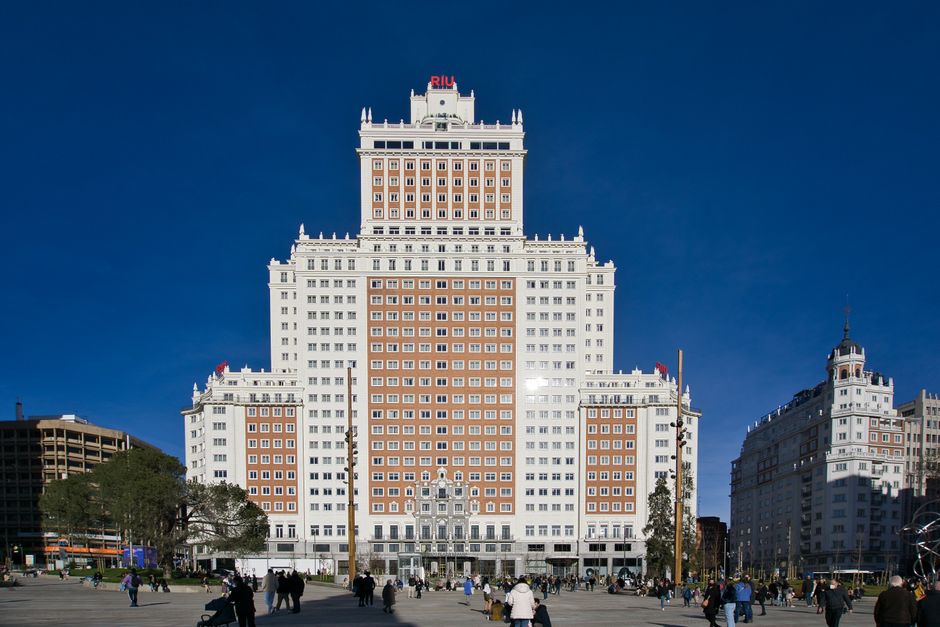
Madrid's transformation into a smart city is no longer a distant vision—it's reshaping how residents move through their neighbourhoods, access services, and interact with municipal infrastructure. The city's ambitious digital overhaul, accelerated significantly over the past 18 months, has introduced technologies that are tangibly improving everyday routines for millions of madrileños.
The most visible change comes from enhanced mobility systems. Commuters on the Metro line serving Gran Vía and Sol now benefit from AI-powered crowd management that adjusts train frequency in real time based on passenger flows. Journey times during peak hours have dropped by an average of 12 minutes, according to municipal data. Above ground, the revamped traffic light system along Paseo del Prado uses sensors to dynamically allocate green time based on actual vehicle density, reducing congestion significantly during rush hours between 7-9 a.m. and 5-7 p.m.
Neighbourhood-level digital services are becoming routine. In Chamberí and Salamanca, smart waste bins equipped with fill-level sensors have cut collection visits by 30 percent, reducing noise and emissions. Residents using the city's integrated app—downloaded over 2.4 million times—can now reserve parking spaces near their homes through the Estacionamiento Regulado system, eliminating frustrating loops searching for spots near Calle Goya or around Retiro Park.
Public health services have also modernised. The city's digital health kiosks, now deployed in 47 primary care centres across all districts, allow residents to book appointments, access test results, and consult basic health information without queuing. Response times for municipal services—from reporting potholes to street lighting failures—have dropped from an average of eight days to 48 hours, with residents tracking progress through their smartphones.
However, adoption remains uneven. Elderly residents and those in less affluent neighbourhoods like Vallecas have struggled with the shift toward digital-first services. The municipality has launched targeted training programmes and maintained alternative analogue channels, recognising that smart cities only succeed when they serve everyone.
Looking ahead, Madrid plans to expand IoT sensors across air quality monitoring—particularly crucial given the city's periodic pollution challenges—and water management systems. These aren't abstract technological exercises; they're interventions designed to make the city function more smoothly for the 3.3 million people who call it home. The real measure of success won't be the sophistication of the underlying infrastructure, but whether residents actually notice their city working better.
This article was compiled by AI from the sources linked above and screened before publishing. See our editorial standards.
How does this story make you feel?
Spread the word
About this article
Published by The Daily Madrid
Daily brief
Free, in your inbox before 7am. Weekdays.
More in tech