Madrid's Venture Capital Boom Masks Growing Ethical Fault Lines
As funding flows into the capital's startup ecosystem, founders and investors grapple with questions of accountability, sustainability, and whose futures get bet on.
As funding flows into the capital's startup ecosystem, founders and investors grapple with questions of accountability, sustainability, and whose futures get bet on.
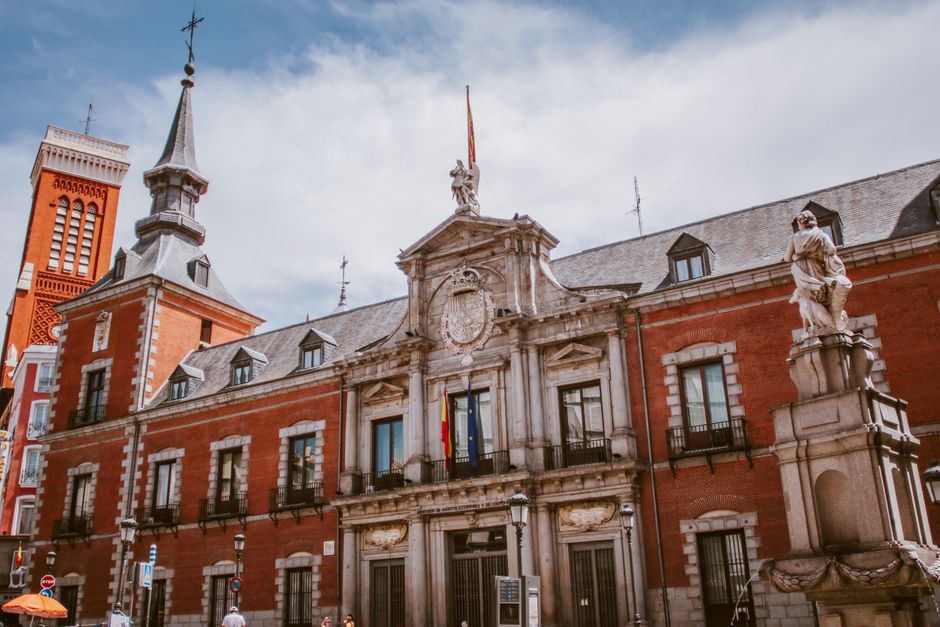
Walk through Madrid's Barrio de las Letras on any given Tuesday and you'll find venture capitalists hunched over laptops in co-working spaces, their portfolios bulging with promises of the next unicorn. The city has cemented itself as Spain's undisputed startup capital, attracting €1.2 billion in venture funding last year alone. Yet beneath the optimism and open-plan offices lies an ecosystem increasingly wrestling with uncomfortable questions about risk, ethics, and equity.
The numbers tell a seductive story. Madrid's tech ecosystem now ranks among Europe's top five, with clusters sprawling across Chamberí, Salamanca, and the revitalised industrial zones near Atocha. Incubators like those housed in the refurbished tobacco factory in Leganés churn out founders monthly. But venture capital's logic—rapid scaling, winner-take-all markets, 10x returns or bust—sits uneasily alongside the city's other realities.
Start with geographic inequality. Investment remains heavily concentrated in north-central Madrid, where office rents exceed €30 per square metre monthly. Promising entrepreneurs in peripheral neighbourhoods struggle for visibility and mentorship, their proximity to opportunity inversely proportional to their distance from Paseo de la Castellana. Women founders, despite comprising 28% of new startups, receive just 12% of funding. The venture class preaches meritocracy while reproducing the city's existing hierarchies.
Then there's sustainability. The pressure to raise ever-larger rounds incentivises business models that ignore externalities—data privacy violations treated as feature costs, labour practices outsourced to jurisdictions with minimal oversight, growth at environmental expense. When a Series B cheque depends on hockey-stick projections, ethical corners tempt.
The human toll deserves scrutiny too. Madrid's startup workers, often recruited fresh from university with promises of equity and mission, face burnout rates that rival finance. The promise of eventual wealth creates a peculiar coercion—refuse the 60-hour weeks or miss the upside. When exits disappoint, founders and early employees discover their sweat converted to negligible returns.
Investment institutions themselves face questions. Limited partners increasingly demand impact metrics aux côtés returns, yet measurement remains muddled. Does a fintech startup serving Madrid's affluent truly democratise finance? Does an AI company automating white-collar work address or exacerbate inequality?
Madrid's venture ecosystem need not choose between ambition and accountability. But that choice requires explicit conversation—in the co-working spaces of Chamberí, in investor pitches, among founders. The city's success depends on it.
This article was compiled by AI from the sources linked above and screened before publishing. See our editorial standards.
How does this story make you feel?
Spread the word
About this article
Published by The Daily Madrid
Daily brief
Free, in your inbox before 7am. Weekdays.
More in tech