Why Madrid's Tech Ecosystem Punches Above Its Weight on the Global Stage
A unique blend of EU regulatory influence, Latin American connections, and affordable talent is positioning Spain's capital as Europe's most distinctive innovation hub.
A unique blend of EU regulatory influence, Latin American connections, and affordable talent is positioning Spain's capital as Europe's most distinctive innovation hub.
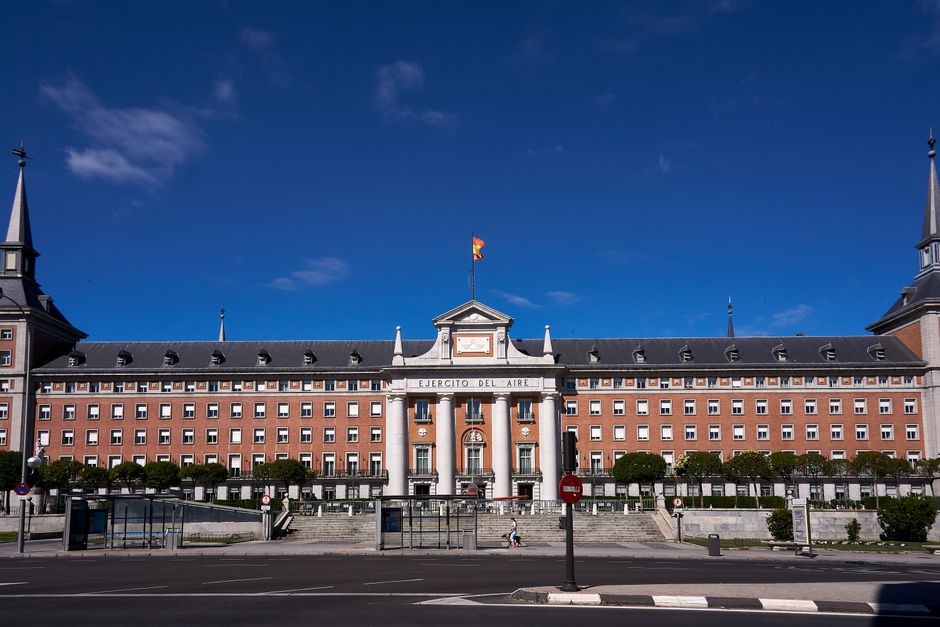
Madrid's technology sector has quietly become one of Europe's most intriguing innovation ecosystems—not by mimicking Silicon Valley, but by carving out something entirely its own. While Berlin captures headlines and London dominates finance tech, Madrid has developed a profile that leverages three distinctive advantages: unprecedented access to EU policy-making, deep commercial ties across Latin America, and a cost structure that attracts talent London and Paris simply cannot afford.
The numbers tell a compelling story. According to recent reports from the Madrid Chamber of Commerce, the city now hosts over 8,500 active tech companies, with venture capital investment reaching €2.8 billion in 2025—a 34% increase from 2023. Yet what distinguishes Madrid isn't scale; it's specialisation and strategic positioning.
The Paseo de la Castellana corridor, traditionally Madrid's business hub, has transformed into something resembling a vertical Silicon Valley. Companies cluster here deliberately—not because of historical accident, but because proximity to EU institutions in Brussels matters less than proximity to decision-makers navigating Europe's regulatory labyrinth. Madrid's tech leaders work directly with Spanish government bodies implementing AI regulations, digital sovereignty frameworks, and data protection standards that shape continental policy. When Brussels drafts legislation, Madrid's engineers and founders aren't reading about it secondhand.
Meanwhile, the Malasaña neighbourhood has emerged as Madrid's creative tech quarter, hosting design studios, gaming companies, and deep-tech startups in converted 19th-century buildings. Rents here average €18-22 per square metre monthly—less than half Berlin's Kreuzberg prices—making it viable for ambitious teams to operate without venture capital burning through eighteen-month runways.
The Latin American advantage deserves particular emphasis. Madrid hosts the regional headquarters for virtually every major tech company seeking Spanish-speaking markets. This creates organic opportunities: startups building fintech solutions for Mexico or Colombia find mentorship, customer pipelines, and Series A investors already locally present. The city has become an unlikely bridge between European innovation and the hemisphere's 500 million Spanish speakers.
Recent developments underscore this trajectory. The Telefónica Open Future programme, spanning Madrid's central districts, has incubated over 1,200 startups since 2016. Meanwhile, initiatives like the Madrilenian Technology Forum, held annually at IFEMA, now attracts investors and founders from across three continents.
Madrid's tech ecosystem isn't outpacing London or Paris in raw economic output. But it's becoming irreplaceable for a specific purpose: companies navigating Europe's regulatory evolution while pursuing growth across Latin America. In an era of geographic fragmentation, that niche positioning is proving quietly powerful.
This article was compiled by AI from the sources linked above and screened before publishing. See our editorial standards.
How does this story make you feel?
Spread the word
About this article
Published by The Daily Madrid
Daily brief
Free, in your inbox before 7am. Weekdays.
More in tech