Madrid's venture-backed startups are quietly reshaping how residents navigate daily life
From mobility to food delivery, locally-funded tech companies are solving the friction points that define living in Spain's capital.
From mobility to food delivery, locally-funded tech companies are solving the friction points that define living in Spain's capital.
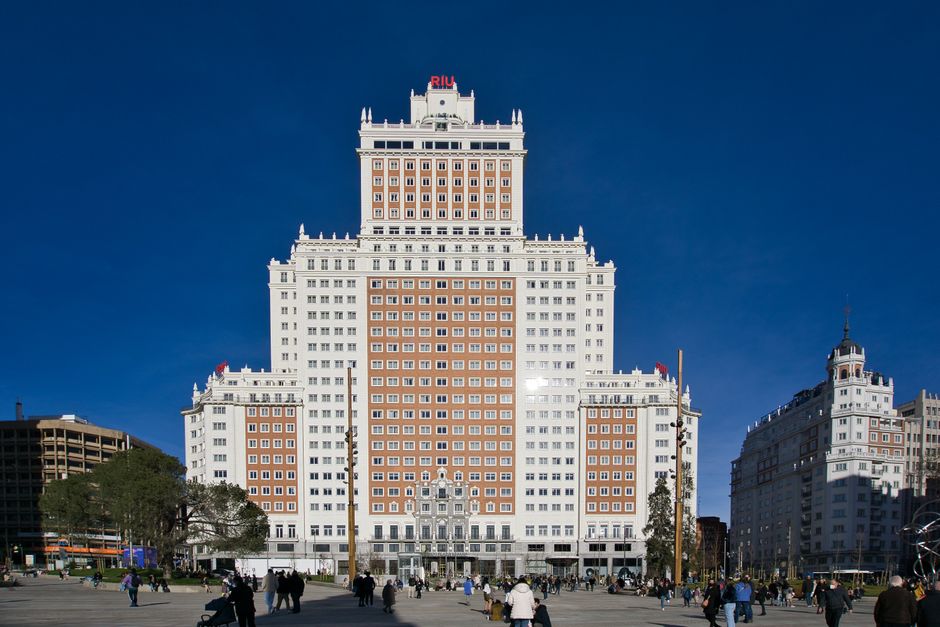
Walk through Malasaña on a Tuesday evening and you'll witness the invisible architecture of Madrid's startup boom. The scooters scattered across Calle San Andrés, the restaurant reservation app open on a commuter's phone at Príncipe Pío metro station, the real-time delivery tracker lighting up a smartphone in a Sol café—these aren't Silicon Valley imports. They're products of a maturing venture capital ecosystem that has fundamentally altered how 3.3 million madrileños manage their time.
The numbers tell the story. Madrid's tech investment reached €847 million in 2025, according to recent industry tracking, with over 40% flowing to companies solving hyperlocal problems. That's not abstract capital—it's funding real solutions to real friction points that residents encounter daily.
Consider mobility. Three years ago, getting across central Madrid during rush hour meant choosing between the metro's crushing crowds or unpredictable taxi wait times. Today, venture-backed micro-mobility platforms have normalized alternatives. A resident in Chamberí can reserve a shared vehicle through apps that didn't exist half a decade ago, each backed by investors betting on urban congestion as a solvable problem.
The food ecosystem illustrates the pattern even more clearly. Ghost kitchens operating from industrial spaces in Villaverde and Vallecas—funded by venture capital dedicated to delivery infrastructure—now ensure that a resident in Retiro can access specialized cuisine within 25 minutes. The economics work because venture investors understood Madrid's specific geography: dense neighborhoods with aging infrastructure and limited parking, creating natural demand for delivered solutions.
Healthcare tech, too, bears the imprint of locally-oriented venture thinking. Clinics in Aluche and Usera now use appointment and record-management systems built by Madrid startups, reducing the administrative friction that once defined Spanish healthcare interactions. These founders weren't solving problems in abstract terms—they were solving problems they encountered themselves.
The ecosystem's maturation matters. Five years ago, Madrid's startup funding concentrated in a handful of downtown districts and relied heavily on Madrid City Council's economic development initiatives. Today, venture capital flows more organically through networks centered in Salamanca's business corridors and newer innovation hubs emerging around Universidad Autónoma.
This shift carries meaning beyond economics. When venture capital backs solutions to genuinely local problems—the specific challenges of navigating Madrid's density, its mix of old and new infrastructure, its particular labor market—residents benefit from technology designed with their actual lives in mind, not retrofitted from elsewhere. That's the quiet revolution reshaping everyday Madrid.
This article was compiled by AI from the sources linked above and screened before publishing. See our editorial standards.
How does this story make you feel?
Spread the word
About this article
Published by The Daily Madrid
Daily brief
Free, in your inbox before 7am. Weekdays.
More in tech