Eating well on a budget: Madrid's guide to free and low-cost nutrition wellness
From neighbourhood markets to municipal health clinics, here's how to access expert dietary guidance and affordable fresh food across the city.
From neighbourhood markets to municipal health clinics, here's how to access expert dietary guidance and affordable fresh food across the city.
Madrid's reputation for longevity and outdoor vitality isn't built on expensive supplements or exclusive wellness memberships. It's rooted in accessible food culture and community-led health initiatives that remain within reach of every neighbourhood resident.
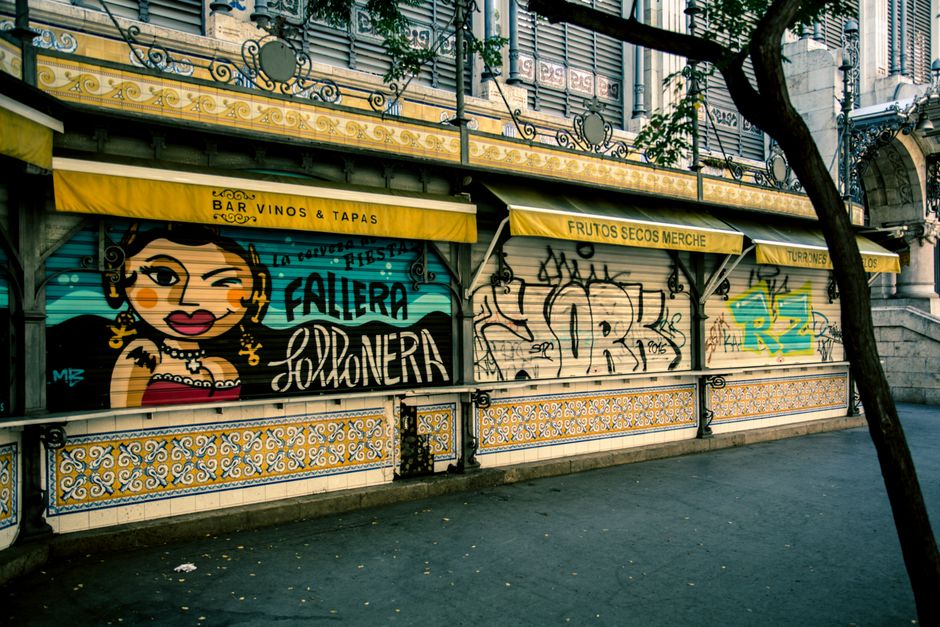
Start at your local mercado municipal. These covered markets—operating in nearly every district from Chamberí to Vallecas—offer seasonal Mediterranean produce at a fraction of supermarket prices. The Mercado de la Paz in Salamanca and Mercado San Miguel's sister neighbourhood markets provide direct access to vendors who can advise on nutritional value and seasonal eating patterns. A kilo of fresh tomatoes, peppers and leafy greens typically costs €3–5, forming the backbone of the traditional Spanish Mediterranean diet that nutritional research consistently links to longevity.
For professional nutrition guidance, Madrid's public health system offers free consultations through primary care centres (centros de salud). Residents with a health card can request dietician appointments at no cost. The Complejo Hospitalario Universitario de Móstoles and similar facilities across the city's hospital network provide these services as standard preventative care. Wait times average 4–6 weeks, but the expertise is unmatched.
Community organisations fill crucial gaps. Fundación Española de la Nutrición runs periodic free workshops on balanced eating across neighbourhoods like Chueca and Carabanchel. Meanwhile, Madrid's network of food cooperatives—including those operating near Atocha station and in San Blas-Canillejas—offers member discounts of 15–25% on organic produce by eliminating middleman markups.
The city's strong outdoor social culture remains free. Group walking routes along the Madrid Río cycling path or morning exercise gatherings in Retiro Park combine movement with social connection—both proven wellness factors. These informal community groups often include residents who share traditional cooking knowledge.
Don't overlook municipal initiatives. Several Madrid district councils offer subsidised cooking classes focused on budget-friendly Mediterranean meals. Check your local junta municipal website for current offerings; many neighbourhoods run quarterly sessions at €5–10 per person.
The most sustainable nutrition strategy isn't about expensive optimisation—it's about consistent access to fresh, local ingredients and the knowledge to prepare them well. Madrid's infrastructure makes this genuinely possible without premium price tags.
This article was compiled by AI from the sources linked above and screened before publishing. See our editorial standards.
How does this story make you feel?
Spread the word
About this article
Published by The Daily Madrid
Daily brief
Free, in your inbox before 7am. Weekdays.
More in Wellness