Active Ageing Madrid: Fitness for Over 60s
How Madrid's seniors are staying fit through dedicated mobility hubs, Retiro Park fitness groups, and community-led active ageing programmes reshaping wellness.
How Madrid's seniors are staying fit through dedicated mobility hubs, Retiro Park fitness groups, and community-led active ageing programmes reshaping wellness.
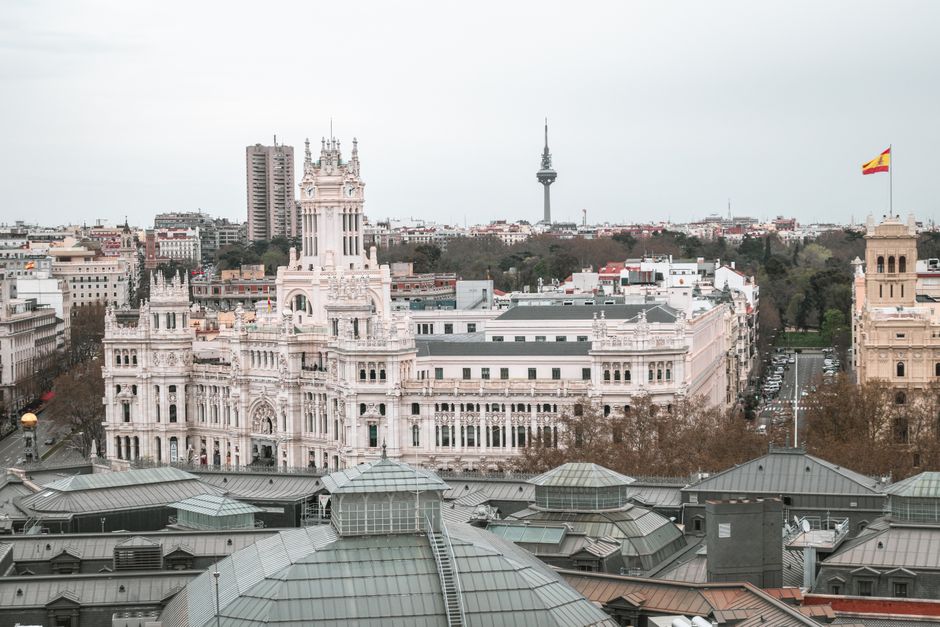
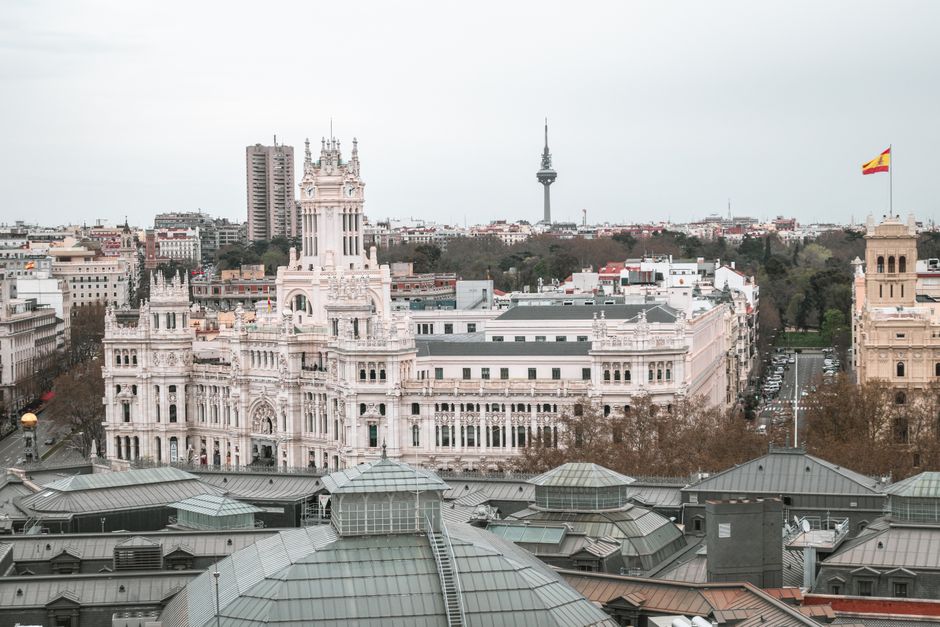
Walk through Retiro Park on a Tuesday morning and you'll notice something quietly remarkable: grey-haired joggers in technical gear, women in their sixties testing balance exercises near the Crystal Palace, informal tai chi gatherings on the lawns. This isn't coincidence. Madrid's approach to senior wellness has shifted dramatically over the past three years, moving away from a sedentary model toward what gerontologists call "active ageing"—and the city's infrastructure, community groups and cultural attitudes are catching up.
The numbers tell part of the story. According to Madrid's municipal health directorate, participation in over-60s fitness programmes rose 34 percent between 2023 and 2025. The Dirección General de Mayores now operates twelve dedicated mobility hubs across districts including Chamberí, Salamanca and Arganzuela, offering subsidised classes ranging from aquatic therapy to Nordic walking. A three-month membership at municipal centres costs €45—significantly lower than private alternatives—making sustained activity accessible rather than aspirational.
But the real shift is cultural. The Madrid Río cycling path, once dominated by younger cyclists, now hosts regular guided rides specifically paced for cyclists over 55. Neighbourhood associations in Chueca and Malasaña have organised weekly walking groups that double as social anchors, addressing both mobility and isolation. These aren't medical interventions dressed as leisure; they're genuine community fabric.
What's driving this? Partly, Madrid's Mediterranean lifestyle has always favoured outdoor socialising—tapas culture, plaza gatherings, park life. The pandemic exposed how sedentary lockdowns devastated older adults' physical capacity and mental health. Simultaneously, research accumulated by Spain's Centre for Sociological Research (CIS) showed that structured, social movement programmes improved not just fitness but cognitive function and longevity in ways isolated gym memberships never could.
Local hospitals including the twelve-centre network of Madrid's top-tier health system have begun prescribing activity rather than merely recommending it. Physical therapists now coordinate with community programmes, ensuring safe progression for people managing arthritis, balance issues or cardiac recovery.
The infrastructure matters too. Retiro's accessible pathways, the flat terrain of Madrid Río, the abundance of benches and water fountains—these aren't new, but they're now being marketed and programmed intentionally. The city has installed additional lighting along popular routes and added seating every 100 metres on designated senior-friendly circuits.
What's emerging in Madrid isn't a trend for wellness influencers. It's a practical, dignified reimagining of what mobility and community look like after 60—rooted in this city's particular geography, social culture and growing recognition that active ageing isn't a luxury. It's infrastructure.
This article was compiled by AI from the sources linked above and screened before publishing. See our editorial standards.
How does this story make you feel?
Spread the word
About this article
Published by The Daily Madrid
Daily brief
Free, in your inbox before 7am. Weekdays.
More in Wellness