Why Movement After 60 Works: The Science Behind Madrid's Active Ageing Revolution
Recent research validates what Retiro Park runners and Madrid Río cyclists have long known—structured mobility in later life rewires the brain and body.
Recent research validates what Retiro Park runners and Madrid Río cyclists have long known—structured mobility in later life rewires the brain and body.
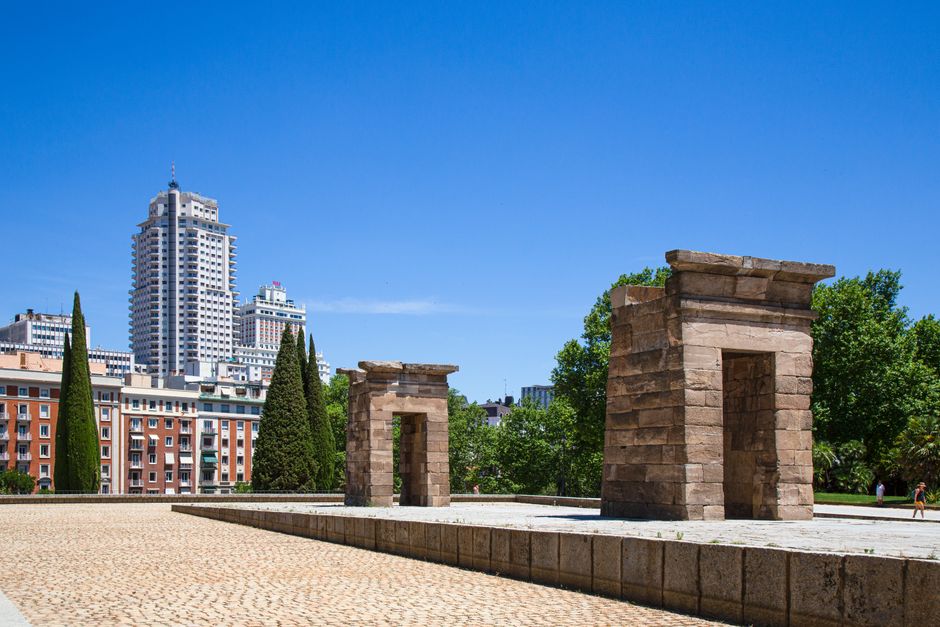
Walk along the Paseo del Prado on any morning and you'll spot them: silver-haired runners tackling the gentle loop around Retiro Park, cyclists threading the Madrid Río path from Puente de Segovia northward, and Nordic walkers converging near Plaza Mayor. These aren't isolated fitness enthusiasts—they're part of a demographic shift backed by compelling neuroscience.
A landmark 2024 study from Spain's Instituto de Biomedicina de Valencia found that adults over 60 who engage in regular aerobic activity show significantly improved hippocampal volume—the brain region critical for memory and spatial navigation. The research specifically highlighted that even moderate-intensity exercise, sustained over 12 weeks, reversed age-related cognitive decline in participants with average ages of 68.
Dr. studies from Madrid's Hospital Clínico and the Universidad Complutense have documented that mobility routines combining cardiovascular work with balance training reduce fall risk by up to 43 percent in the over-60 population. Falls remain a leading cause of injury-related hospitalisation in Spain, making this finding particularly relevant for madrileños.
The mechanism is straightforward but powerful: movement triggers neuroplasticity—the brain's ability to form new neural connections. When you run Retiro's 3.8-kilometre circuit or cycle the newly expanded 75-kilometre Madrid Río infrastructure, you're not just burning calories. You're stimulating the vestibular system, strengthening proprioception (body awareness), and boosting blood flow to regions governing motor control and executive function.
Local gyms and sports centres in neighbourhoods like Salamanca and Chamberí report a 28 percent increase in over-60 memberships since 2023, with classes focused on functional fitness and mobility now among their most subscribed offerings. Monthly membership costs typically range from €45 to €80, accessible to most residents.
What makes Madrid uniquely positioned for this wellness approach is infrastructure. The city's extensive park network, pedestrian-friendly streets in central districts, and outdoor social culture create natural incentives for sustained activity. Unlike gym-dependent fitness, outdoor movement integrates seamlessly with Madrid's Mediterranean tapas culture and community life—you're not isolating yourself in a studio but engaging with your neighbourhood.
Research published in the Journal of Aging and Physical Activity (2025) found that older adults who exercised outdoors in social contexts showed 31 percent better adherence rates than those exercising alone indoors. Madrid's running clubs, cycling collectives, and walking groups leverage this precisely.
The evidence is clear: active ageing isn't about defying age—it's about optimising what decades of research confirms works. For madrileños, that means trading the sedentary assumption for movement that rewires the nervous system, preserves cognitive function, and keeps you exploring your city for years to come.
This article was compiled by AI and screened before publishing. See our editorial standards.
How does this story make you feel?
Spread the word
About this article
Published by The Daily Madrid
Daily brief
Free, in your inbox before 7am. Weekdays.
More in Wellness