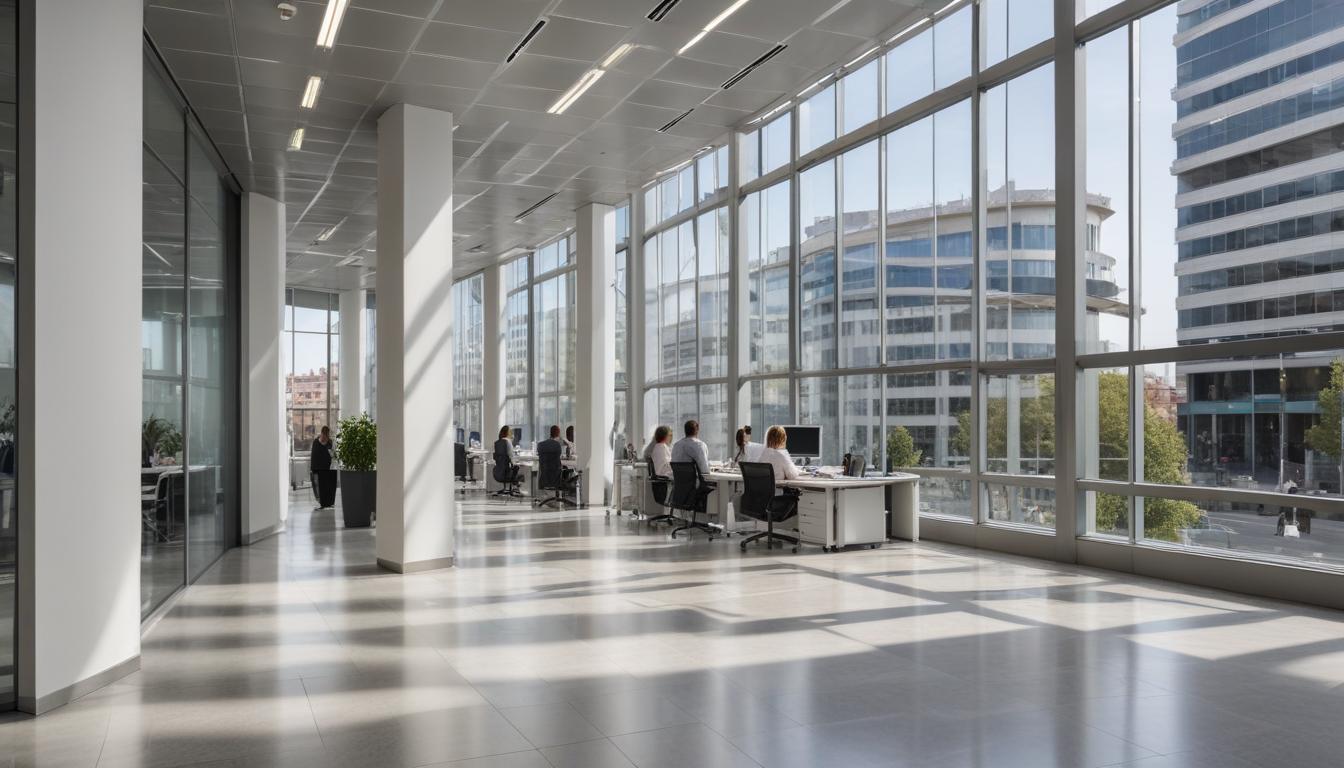
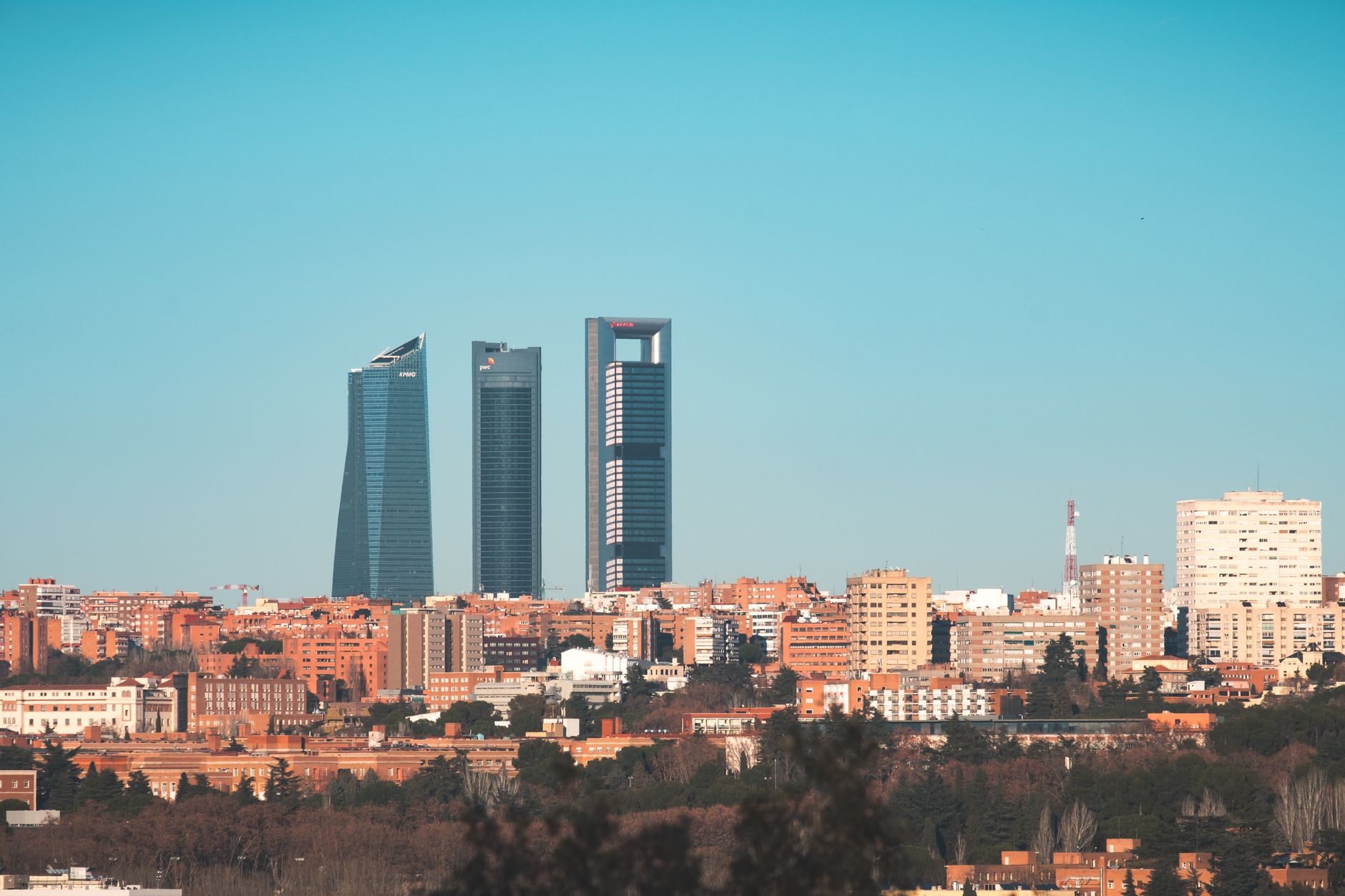
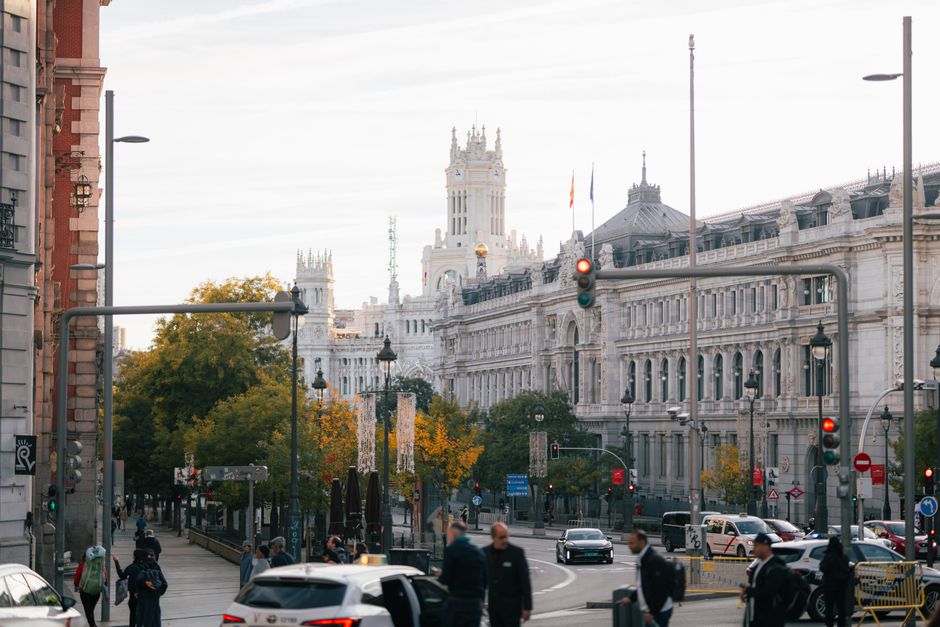
Madrid's commercial property market is experiencing a transformation that extends far beyond boardrooms and investment portfolios. The surge in office space demand—particularly in the Paseo de la Castellana corridor and around the Chamberí district—is reshaping the city in ways that directly affect residents' wallets and neighbourhoods.
Over the past eighteen months, office rents in prime Madrid locations have climbed roughly 15 to 20 percent, according to recent market analyses. A square metre in the Chamberí or Salamanca business zones now commands €25 to €35 per month—rates that would have seemed unthinkable five years ago. This acceleration reflects renewed confidence from international firms and tech companies seeking European headquarters, many relocating or expanding operations in Madrid rather than Barcelona or Lisbon.
But what does this mean for someone living in Chueca, Malasaña, or Retiro? The answer is straightforward: commercial landlords pass costs downstream. Cafés, dental practices, fitness studios, and retail shops are paying more to occupy street-level premises and office suites. A cappuccino that cost €2.50 two years ago now regularly reaches €3.20. Independent dental clinics in neighbourhoods like Arganzuela have consolidated or relocated to cheaper areas, forcing residents to travel further for services.
The trend has also accelerated gentrification patterns. Property investors, sensing the commercial momentum, are acquiring residential buildings in transitional neighbourhoods, converting apartments or pushing out long-term tenants to develop mixed-use properties combining offices and luxury flats. Areas around the Atocha station and Reina Sofía Museum have seen particularly acute pressure.
The Comunidad de Madrid's business registry shows nearly 12,000 new company registrations in 2025, many concentrated in office-heavy sectors like technology, consulting, and finance. This influx generates jobs and tax revenue—undeniably positive for the broader economy—but it has fundamentally altered the character of inner-city neighbourhoods that were once primarily residential.
For residents, the practical advice is clear: if you rely on local services, expect modest but persistent price increases. If you're considering a move within Madrid, neighbourhoods beyond the M-30 ring—areas like Carabanchel, Latina's quieter corners, or Vallecas—remain relatively insulated from commercial speculation, though they too will likely experience change within two to three years.
Understanding this market dynamic helps Madrileños anticipate broader shifts in their city, from transport congestion to school demand, as the commercial boom reshapes the capital's economic geography.
This article was compiled by AI from the sources linked above and screened before publishing. See our editorial standards.