Madrid's Retail and Food Scene Is Shifting Fast—Here's What You Need to Know
From changing restaurant economics to evolving shopping habits, everyday Madrileños face real changes in how they eat, shop, and spend their money.
From changing restaurant economics to evolving shopping habits, everyday Madrileños face real changes in how they eat, shop, and spend their money.
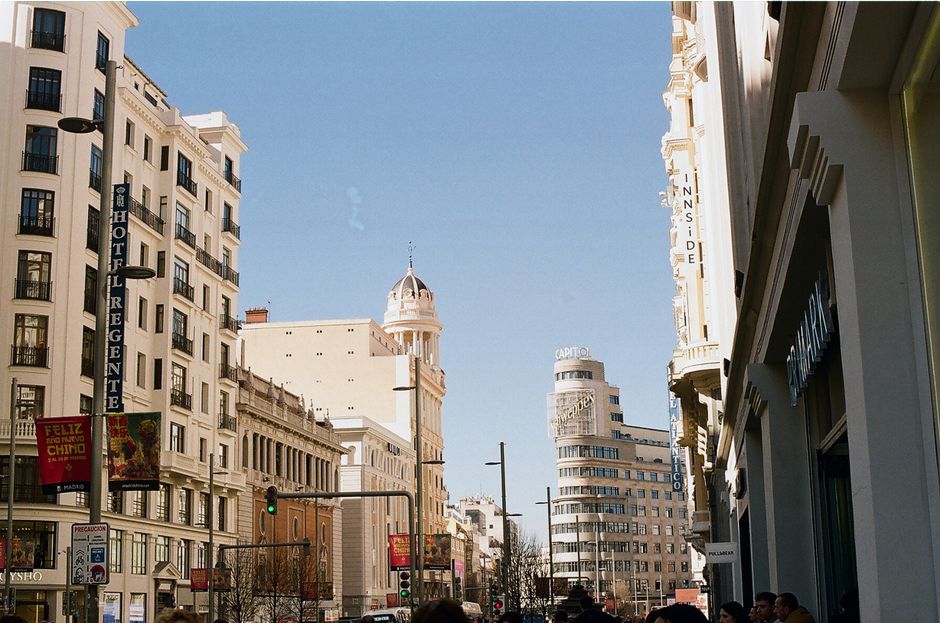
Walk down Calle Preciados or through the Mercado de San Miguel these days, and you'll notice something shifting beneath Madrid's bustling surface. The retail and hospitality landscape that has defined the city for decades is undergoing profound transformation, and understanding these changes matters for anyone who lives, works, or spends money here.
The most visible pressure point is restaurant economics. Labour costs in the capital have risen approximately 12 percent over the past eighteen months, while ingredient sourcing remains volatile. Many establishments across Malasaña, Chueca, and La Latina are quietly adjusting their business models. Menu prices have climbed—expect to pay €3-4 more for lunch menus than you would have paid two years ago—but more significantly, some venues are reducing operating hours or consolidating services. What was once a seven-day operation now closes Mondays. What served dinner now closes at 10 p.m. instead of midnight. These aren't cosmetic changes; they reflect genuine margin pressures.
Retail faces its own reckoning. Department stores and mid-market chains continue losing ground to a two-tier marketplace: ultra-discounters (where Madrileños increasingly buy basics) and premium, experience-driven venues. Gran Vía and the Paseo de la Castellana still draw traffic, but footfall patterns have shifted. Consumers are shopping more deliberately, less recreationally. E-commerce penetration in Madrid now exceeds 35 percent of retail sales, up from 28 percent three years ago. For traditional brick-and-mortar retailers, this means adapting or exiting.
What does this mean for your wallet and habits? First, expect less spontaneous shopping and more curated retail experiences. Second, understand that smaller, independent restaurants and bars—the backbone of Madrid's hospitality character—are operating on tighter margins than most Madrileños realize. The €12 café con tostadas you grab before work supports an increasingly fragile ecosystem. Third, grocery shopping patterns are shifting toward discounters like Lidl and Carrefour Express, changing the vibrancy of neighbourhood shopping streets.
The deeper issue is sustainability. Madrid's retail and hospitality sectors employ roughly 180,000 people directly. When restaurants close or retailers consolidate, those job losses ripple through communities. When favourite neighbourhood bars shutter, the social fabric changes.
None of this is catastrophic. Madrid remains one of Europe's most dynamic consumer markets. But the rules of engagement are changing faster than many residents realize. Being aware of these shifts—understanding why your favourite tapas bar has adjusted its hours, why shopping feels different, why prices have moved—helps you navigate the city's evolving commercial reality more thoughtfully.
This article was compiled by AI from the sources linked above and screened before publishing. See our editorial standards.
How does this story make you feel?
Spread the word
About this article
Published by The Daily Madrid
Daily brief
Free, in your inbox before 7am. Weekdays.
More in Business