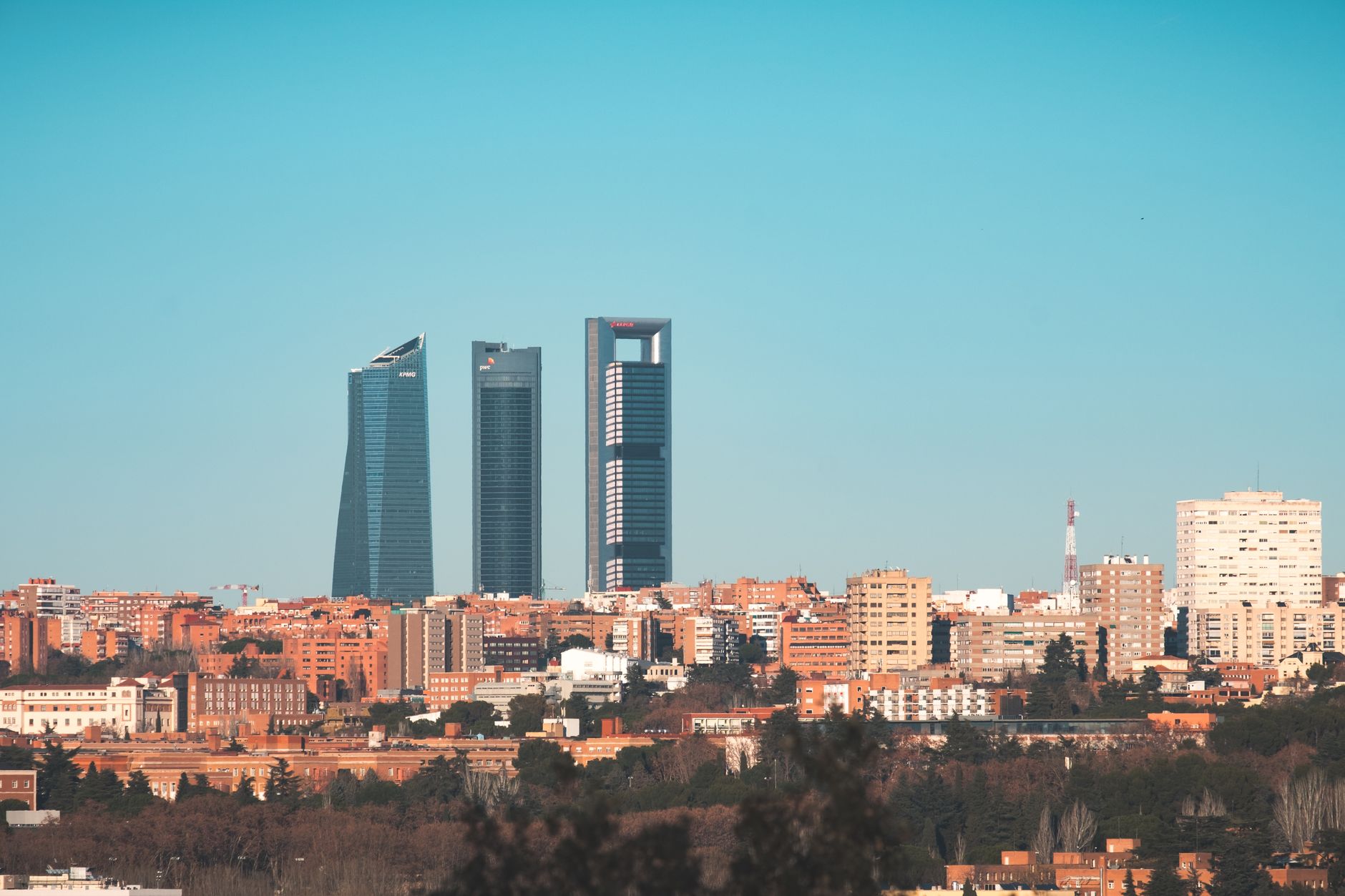
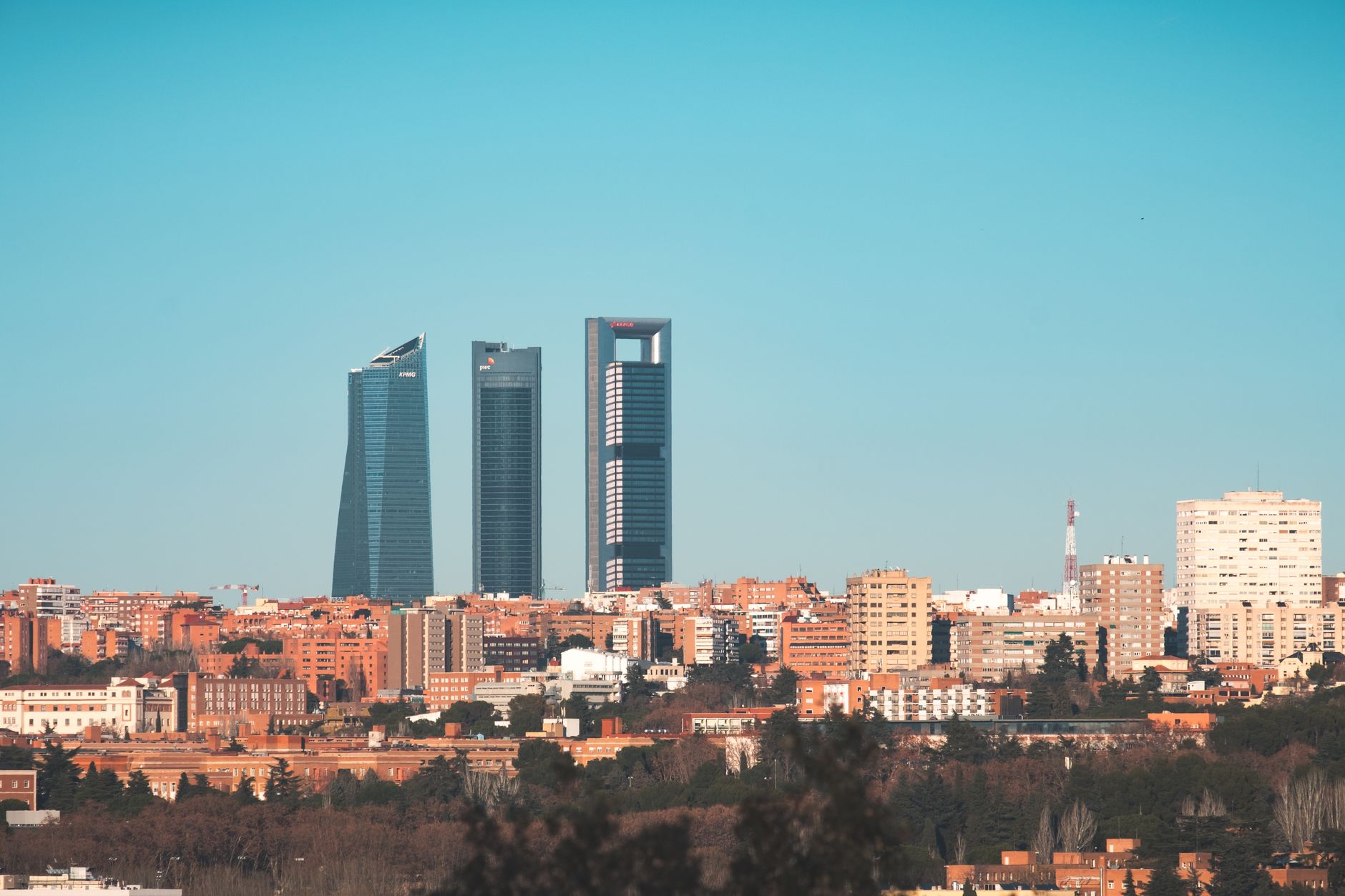
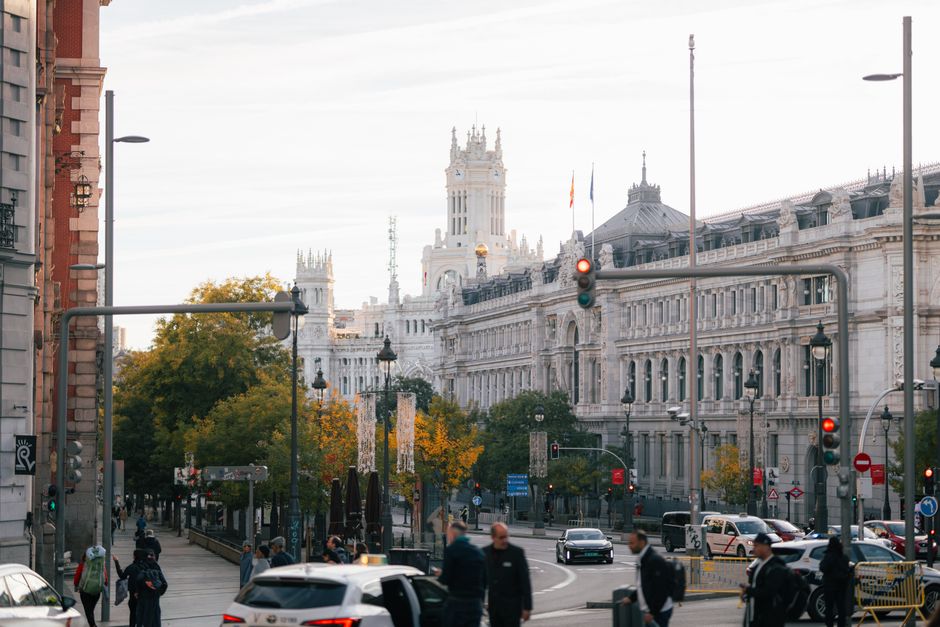
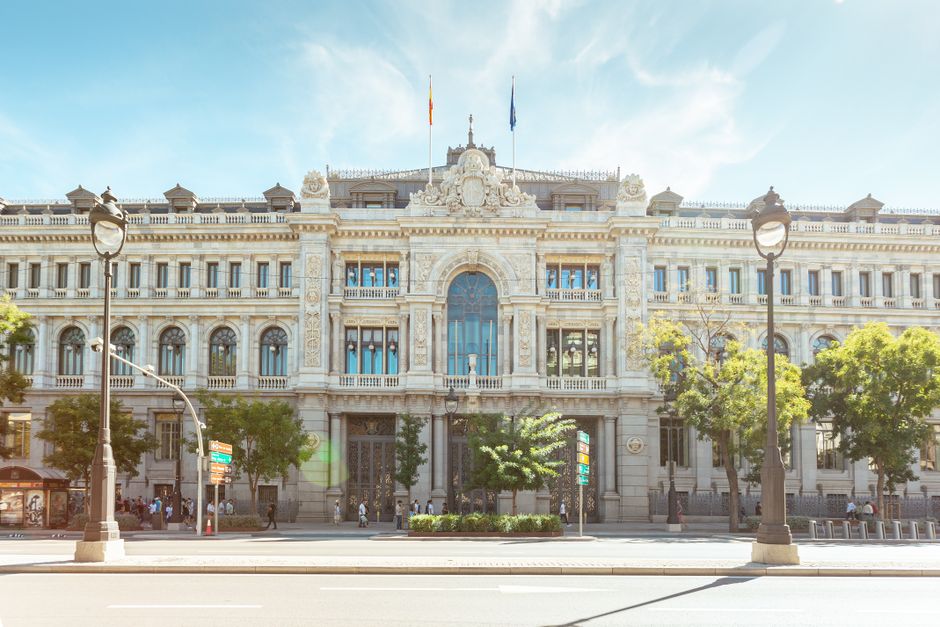
The gleaming glass offices that line Paseo de la Castellana tell only part of Madrid's startup story in 2026. Behind the venture capital success stories and the tech conferences filling the halls of IFEMA, a more troubling narrative is emerging: the city's once-booming innovation ecosystem is hitting serious headwinds.
Funding rounds across Spain's capital have contracted sharply. Early-stage investment in Madrid startups dropped 34% in the first half of 2026 compared to the same period last year, according to data from Spain's venture capital association. The broader European funding winter that began in 2023 has refused to thaw, leaving founders in neighbourhoods like Chamberí and Salamanca increasingly desperate for capital.
Real estate costs have become another significant barrier. Prime office space in the city's innovation districts now commands €18 to €22 per square metre monthly—a 40% increase since 2023. For young companies operating on tight margins, the economics no longer work. Several mid-stage startups have quietly relocated to secondary Spanish cities or shifted to remote-first models, abandoning the networking advantages Madrid once offered.
The talent exodus compounds the problem. Developers, data scientists, and product managers face Madrid salaries 15-20% below those offered in Berlin, Amsterdam, and Paris. Combined with Spain's ongoing housing crisis—average rent for a one-bedroom apartment in central Madrid now exceeds €900 monthly—the city is losing people it spent years cultivating. Tech professionals who cut their teeth at companies like Glovo or Cabify are increasingly accepting positions abroad.
Meanwhile, Barcelona is aggressively courting Madrid's displaced founders. The Catalan capital's lower commercial rents and recent government initiatives promoting its 22@ district are proving attractive, threatening Madrid's historical dominance in Spanish tech innovation.
Government support remains uneven. While the city council continues promoting the startup visa and tax incentives, bureaucratic friction persists. Registration and administrative hurdles continue frustrating entrepreneurs who might otherwise choose Madrid over more streamlined European alternatives.
Veteran observers suggest the sector faces a necessary reckoning. The frothy days of abundant capital and easy growth may not return soon. For Madrid's innovation ecosystem to survive 2026 intact, stakeholders acknowledge that fundamental changes—addressing housing, reducing regulatory friction, and stabilizing office costs—are no longer optional. Without intervention, the city risks ceding its position as Spain's undisputed tech capital.
This article was compiled by AI and screened before publishing. See our editorial standards.